
Free in-home measure and quote - PGT, CGI and CWS impact lines compared on your actual openings, style by style
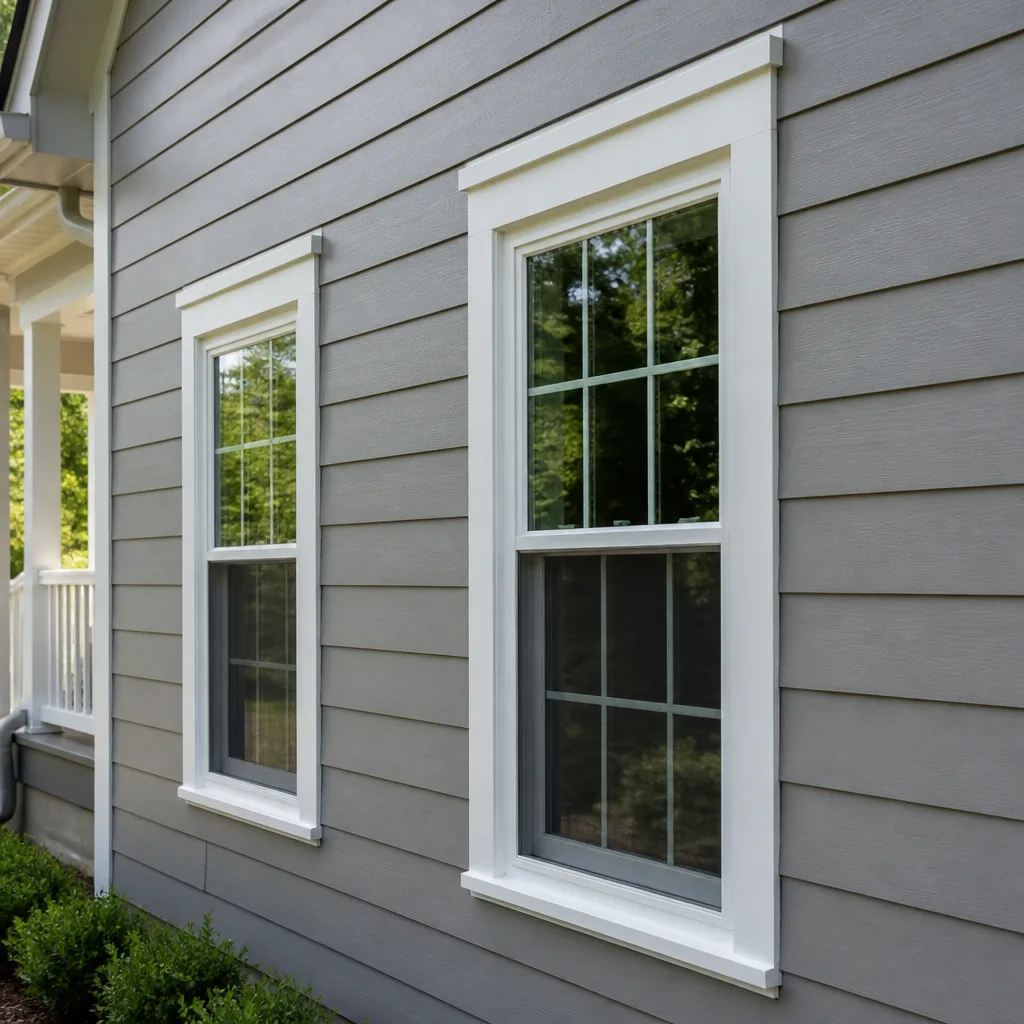
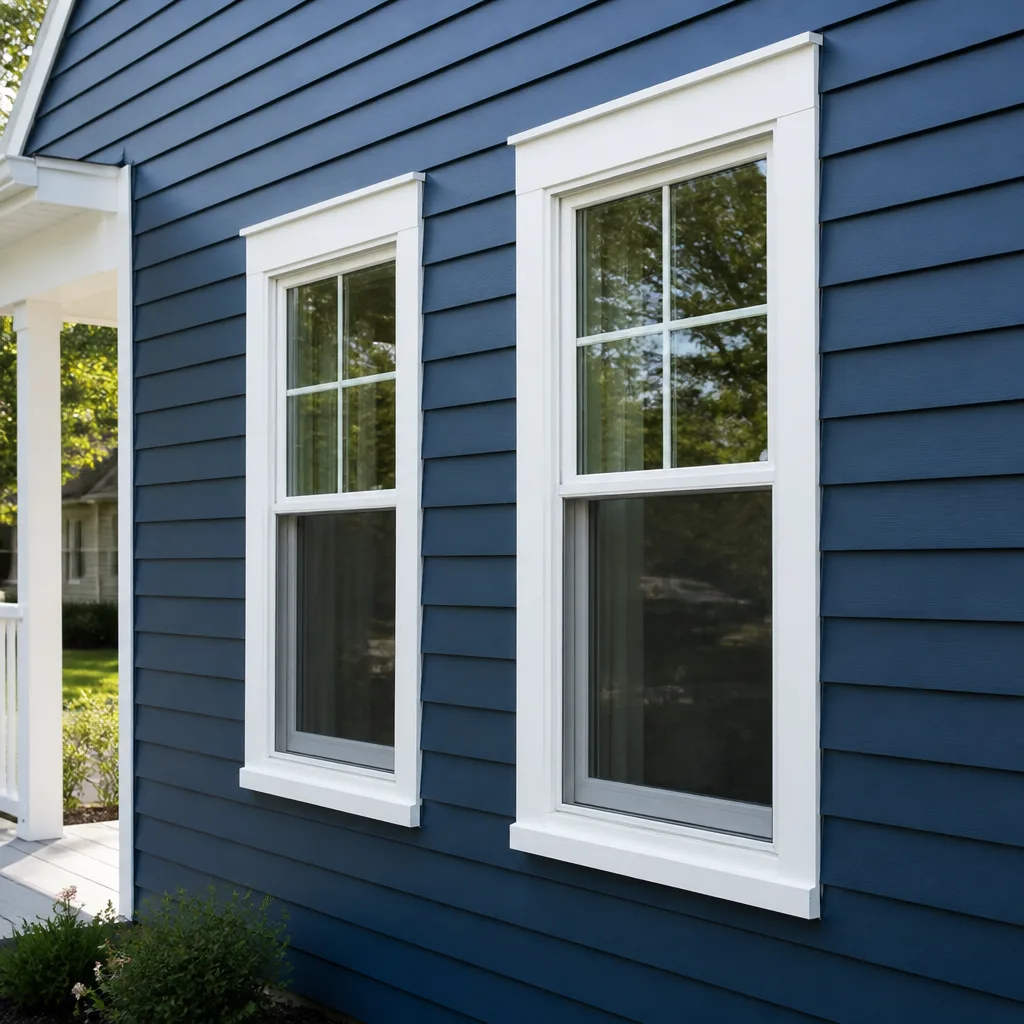
 Before
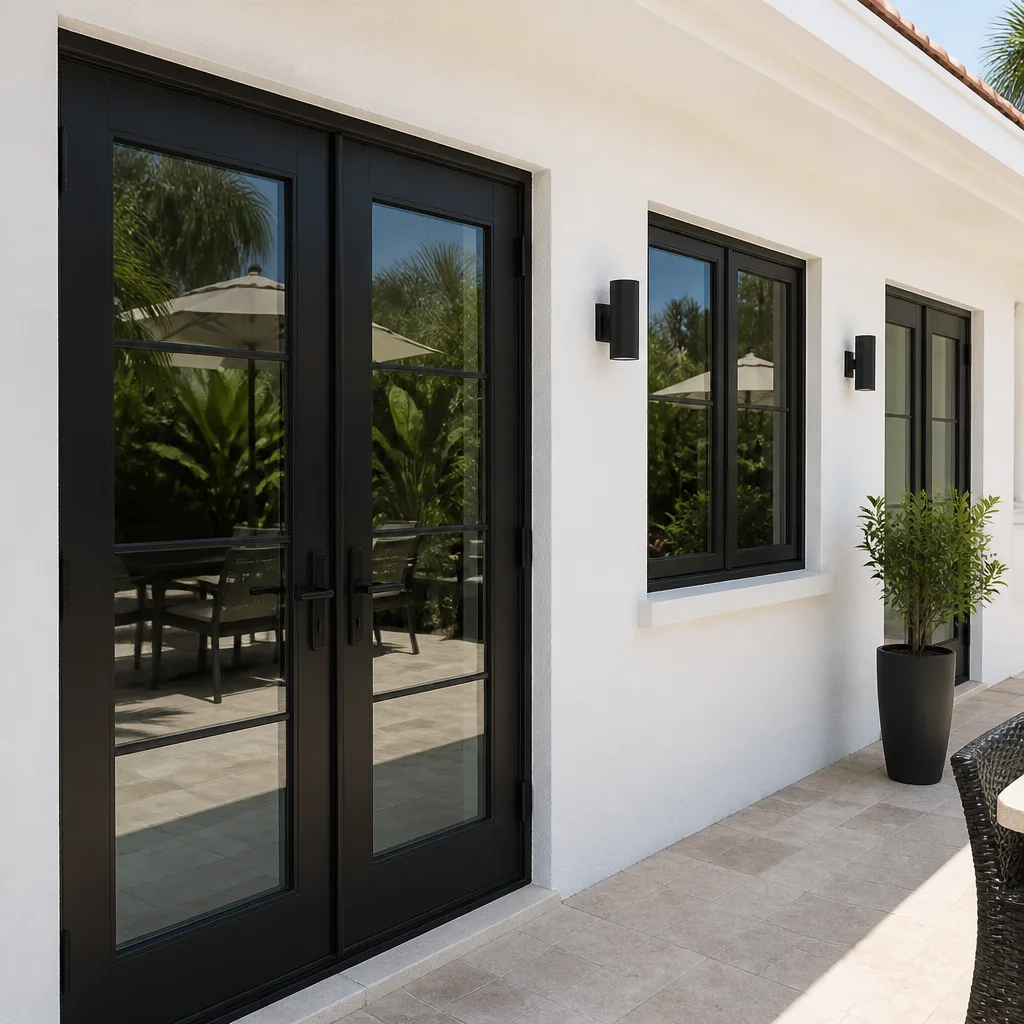 After
After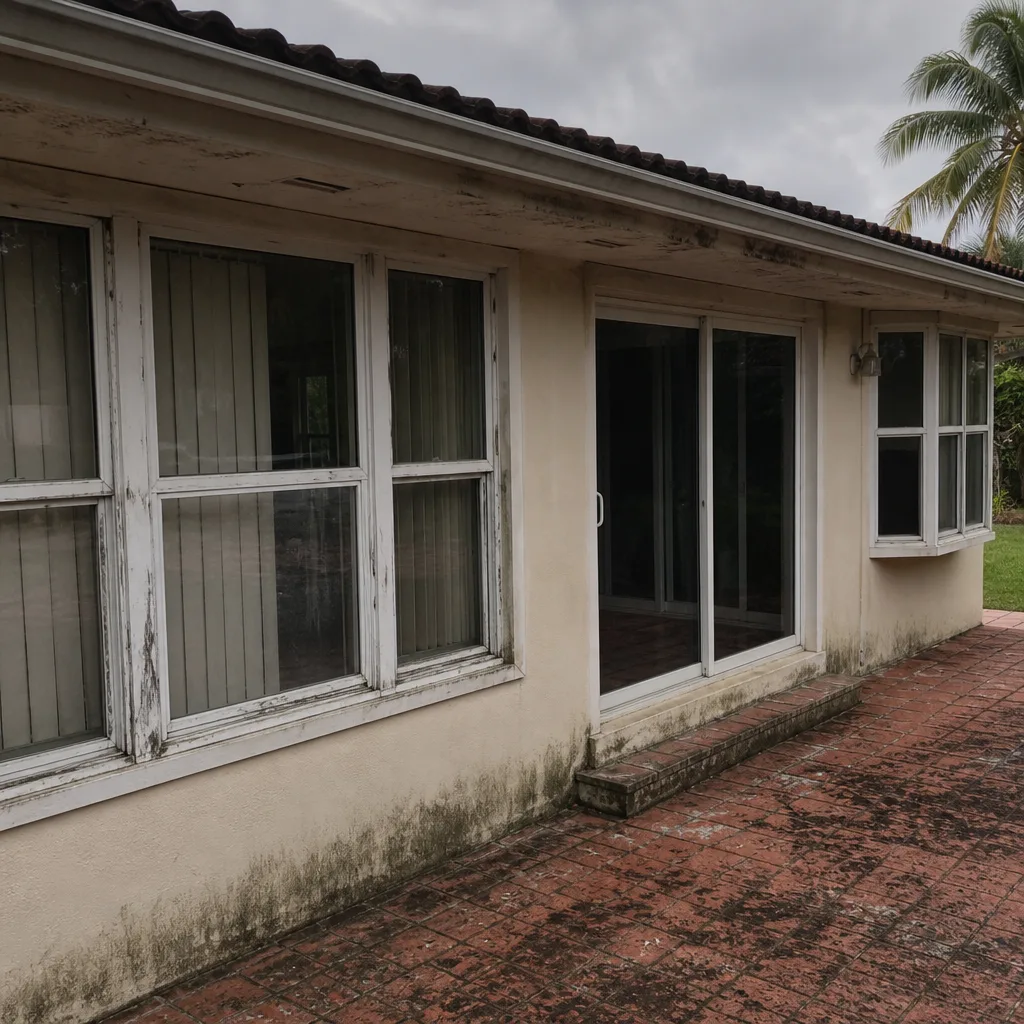 Before
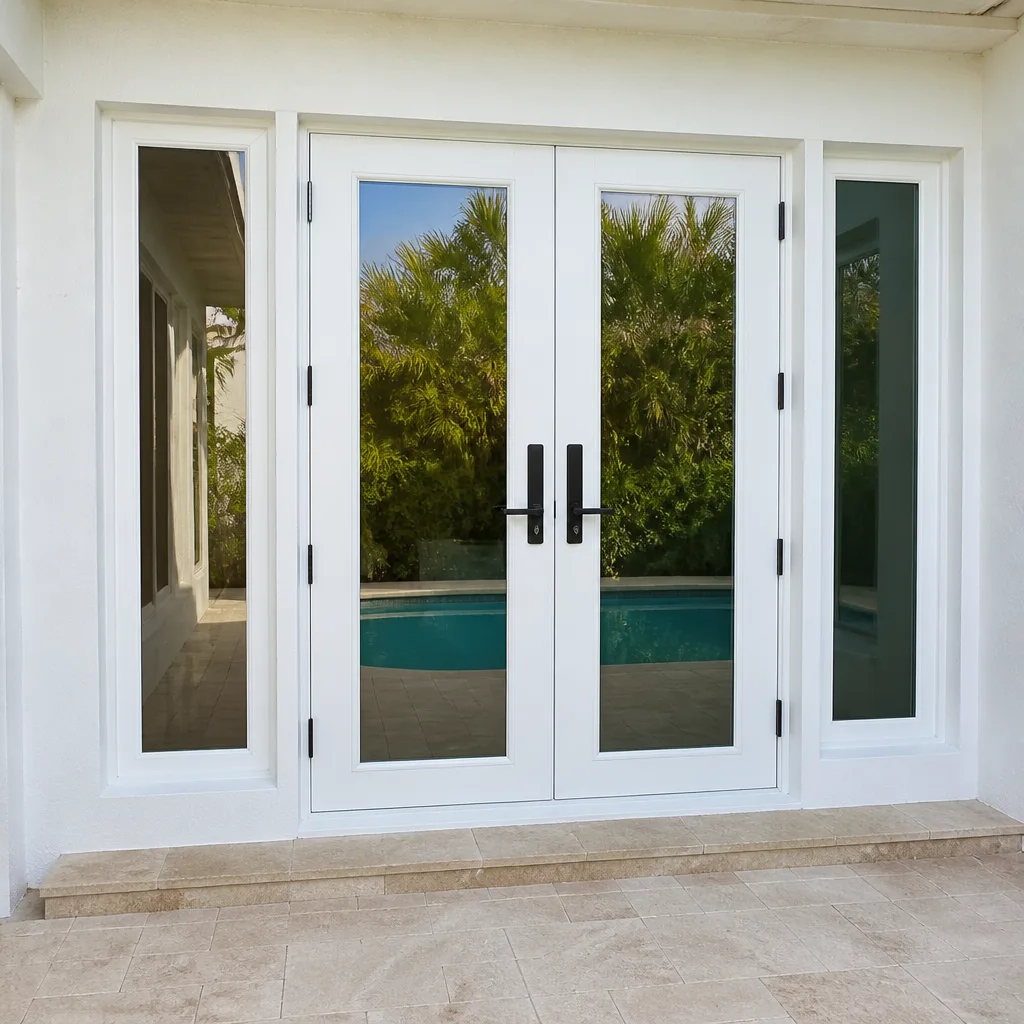 After
After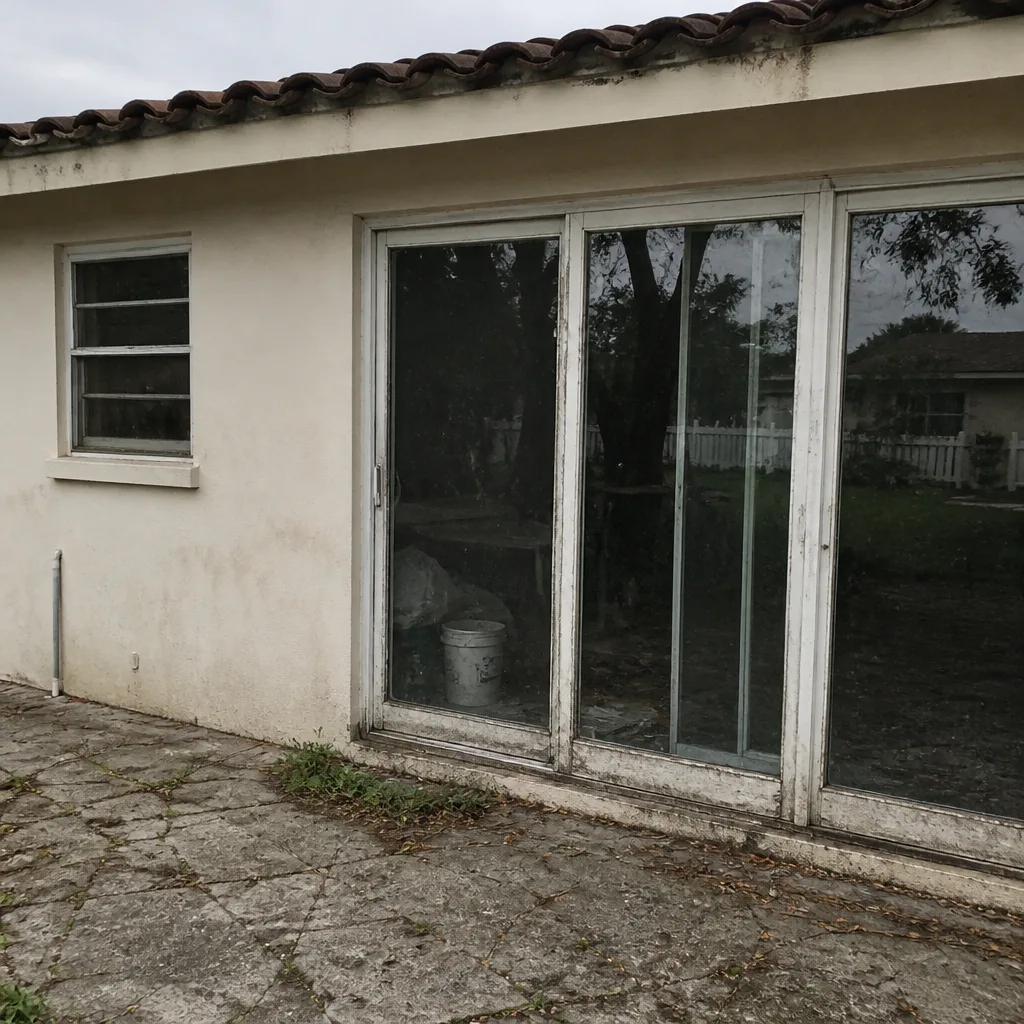 Before
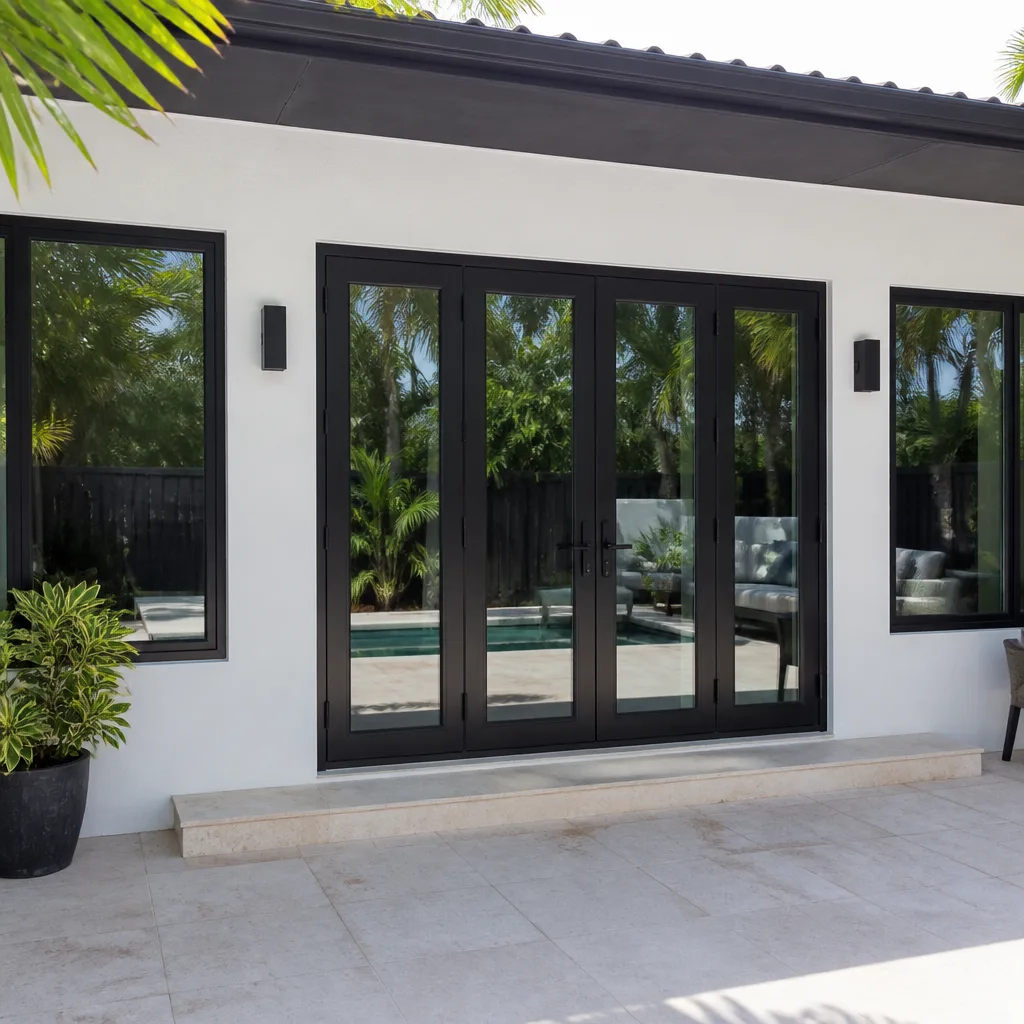 After
AfterFast, Reliable Window Installation Across Miami Beach
Window installation in Miami Beach typically costs $900 to $5,000 per opening depending on whether you’re replacing a historic casement in a South Beach walk-up or installing full impact-rated sliders in a North Beach condo. Most single-family and low-rise jobs are installed the same day once your units arrive, with custom fabrication running four to six weeks. If you’re searching for a contractor who actually understands the Historic Preservation Board, Miami-Dade NOA requirements, and salt-air corrosion, you’ve found the right page. Call (863) 946-5039 for a free in-home measure and written quote, and we’ll walk you through the exact permit path your building needs.
Ed Winslow founded Window Installation work on one idea: this is a city where a wrong window choice can fail inspection, void an insurance claim, or rot out in three years. Our crews work Miami Beach weekly, from the Art Deco core to the condo canyons of Collins Avenue. We know which buildings need board sign-off and which don’t. That’s the kind of local knowledge you can’t get from a national chain’s call center.
Key Takeaways
- Historic buildings need a two-step approval: Miami Beach Historic Preservation Board sign-off first, then the city accepts the permit application. No mainland city works this way.
- Salt air is not optional equipment here. Standard aluminum frames fail in two to three years on the barrier island. Marine-grade finish and stainless hardware are the floor, not the upgrade.
- Impact windows generally run $800 to $1,500 per window installed in Miami Beach, with large or custom openings at $2,500 to $5,000. Whole-home packages start around $8,000.
- Winslow is Ed Winslow’s company. He answers to his name on every job, backed by the 36500-Day Done Right Promise.
Why Winslow Windows & Doors Is Miami Beach’s Preferred Window Installation Company
Winslow Windows & Doors has been doing window installation work in Miami Beach long enough to know that a Sunset Harbour mid-rise and a Flamingo Park bungalow present completely different problems. We’re locally owned and owner-operated, founded in 2011, with a published address and license number. You can look us up. Ed Winslow’s name is on the door, and on every job we do. When you call, a live person answers, 24 hours a day, seven days a week. No voicemail loops, no call centers, no next-business-day callbacks. You’ll speak with someone who knows what a Miami Beach Historic Preservation Board submittal looks like.
Every technician who arrives at your door in Miami Beach is background-checked and in uniform, so you know exactly who you’re letting in before the truck pulls up. We bring the same crew discipline to a two-window replacement on Euclid Avenue that we bring to a full 20-opening condo retrofit. And our standing offers apply everywhere we work: $40 off any repair over $200, a free second opinion on any written estimate, no trip charge inside our home county, and a permanent 10% discount for seniors and veterans.
Our Window Installation Services in Miami Beach
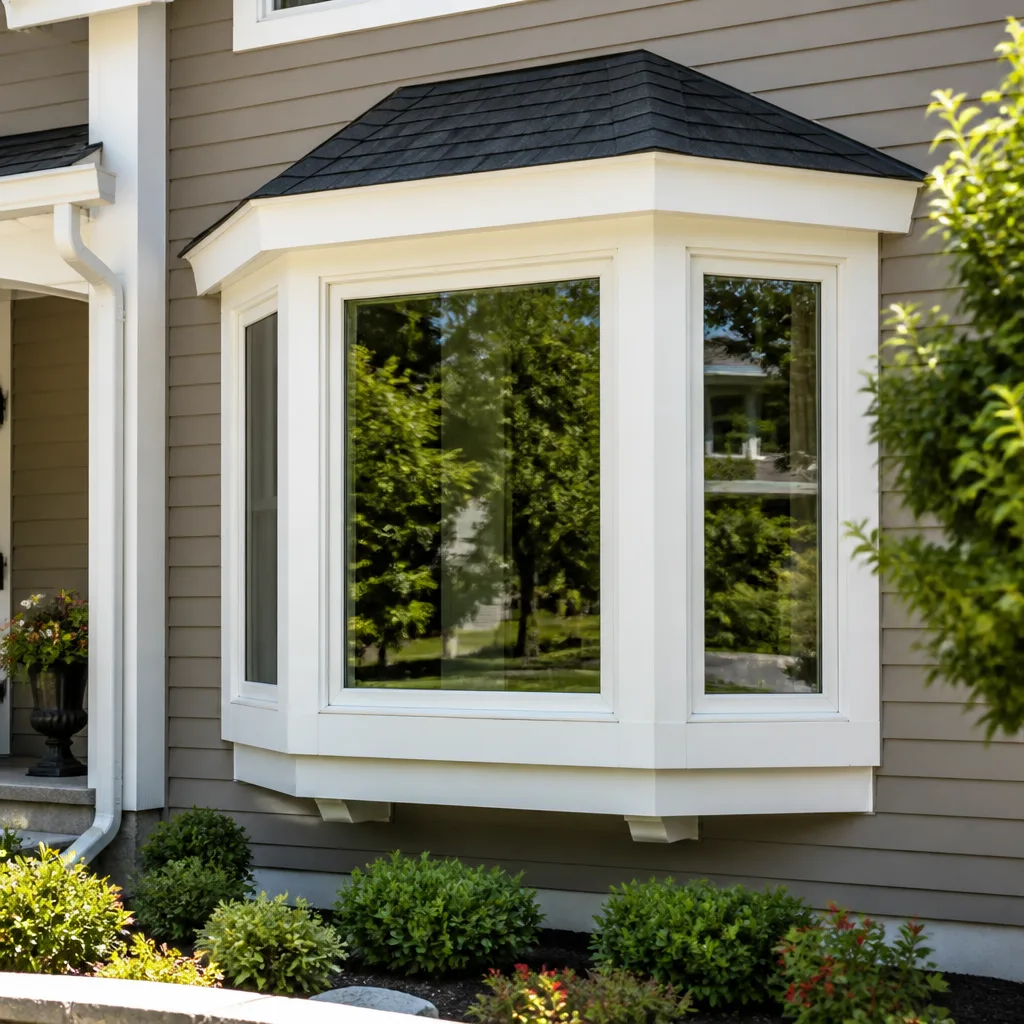
Single & Double Hung Windows
Single and double hung windows are common in Miami Beach’s mid-century MiMo buildings and 1960s-80s apartment stock, especially in the Bayshore and Normandy Isle neighborhoods. We install impact-rated hung windows from PGT and CGI that carry Miami-Dade NOA approval and match the existing opening dimensions without major structural changes. If your original sashes are steel and rusted through, which happens faster here from the salt air, we handle the full tear-out and rebuild.
Horizontal Roller Windows
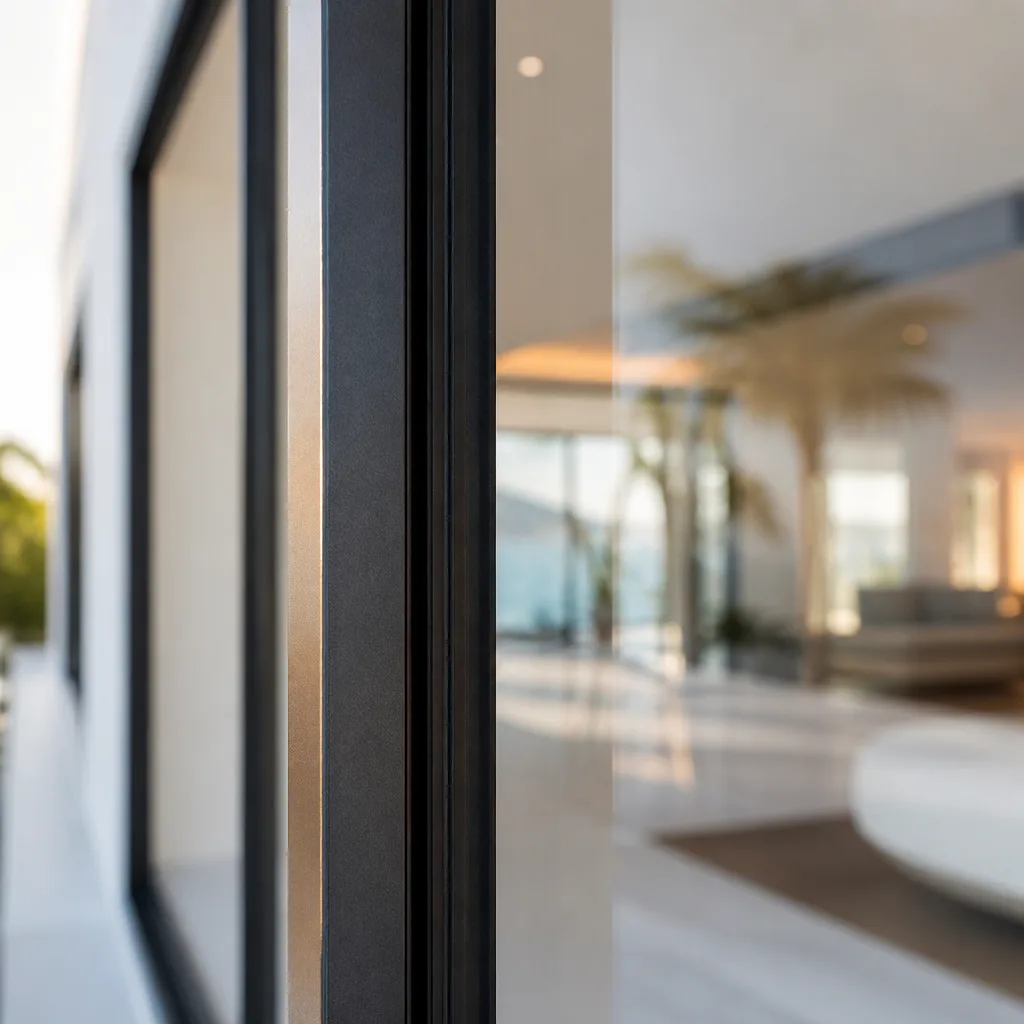
Horizontal rollers appear throughout Miami Beach’s older low-rise condos and duplexes, and they’re often the first windows to fail because the tracks fill with salt grit and the rollers seize. We replace them with impact-rated horizontal rollers that meet HVHZ wind-load requirements and use marine-grade track hardware. On ocean-facing units along Collins Avenue, we specify stainless hardware so you’re not back in the same position in two years.

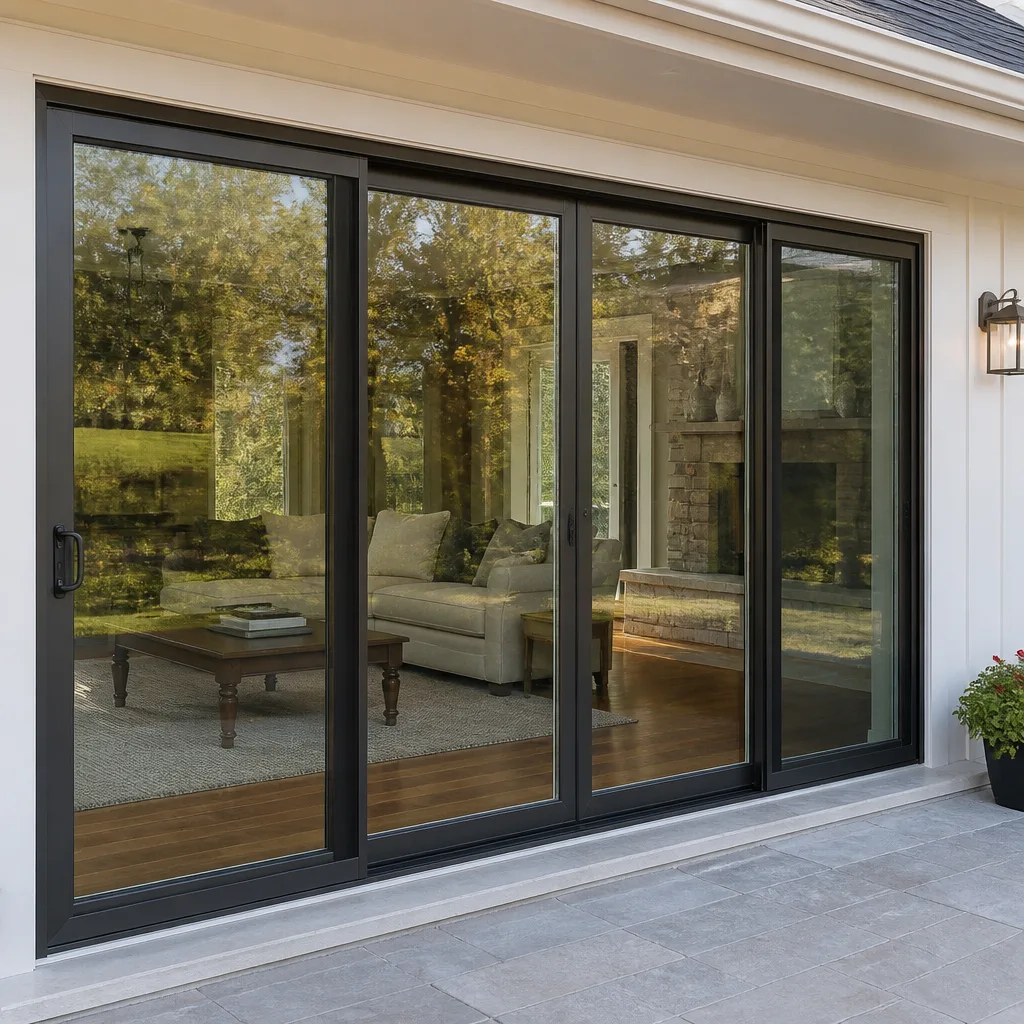
3-Panel Sliding (3-Lite Roller) Windows
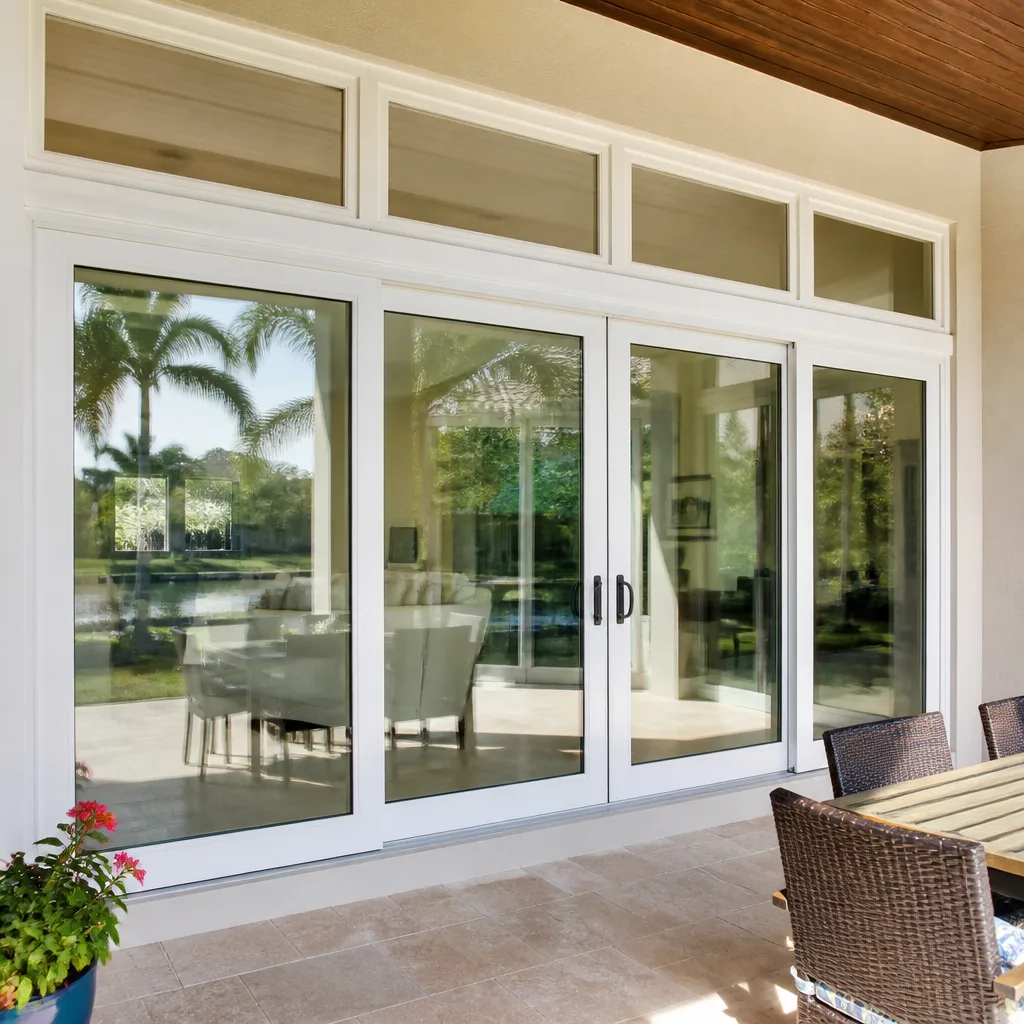
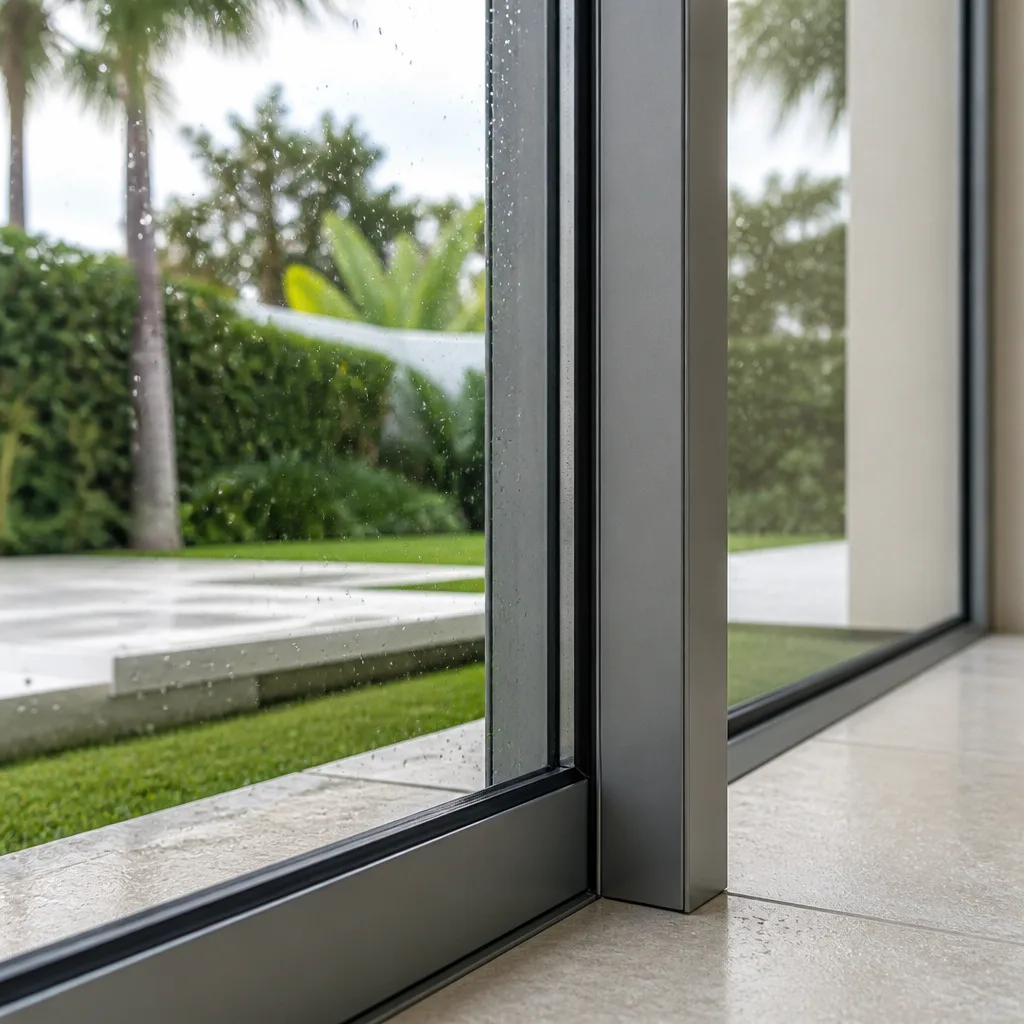
Three-panel sliders are the signature wall of glass in Miami Beach high-rise and waterfront units. These openings are big, they catch the full force of a storm, and they need large-missile impact ratings matched to the exact design pressure for your floor height. We install CWS and ES Windows 3-lite roller systems with NOA documentation for every panel. HOA coordination and high-rise rigging are part of what we do, because a 17th-floor slider on the Intracoastal is not a one-day suburban job.
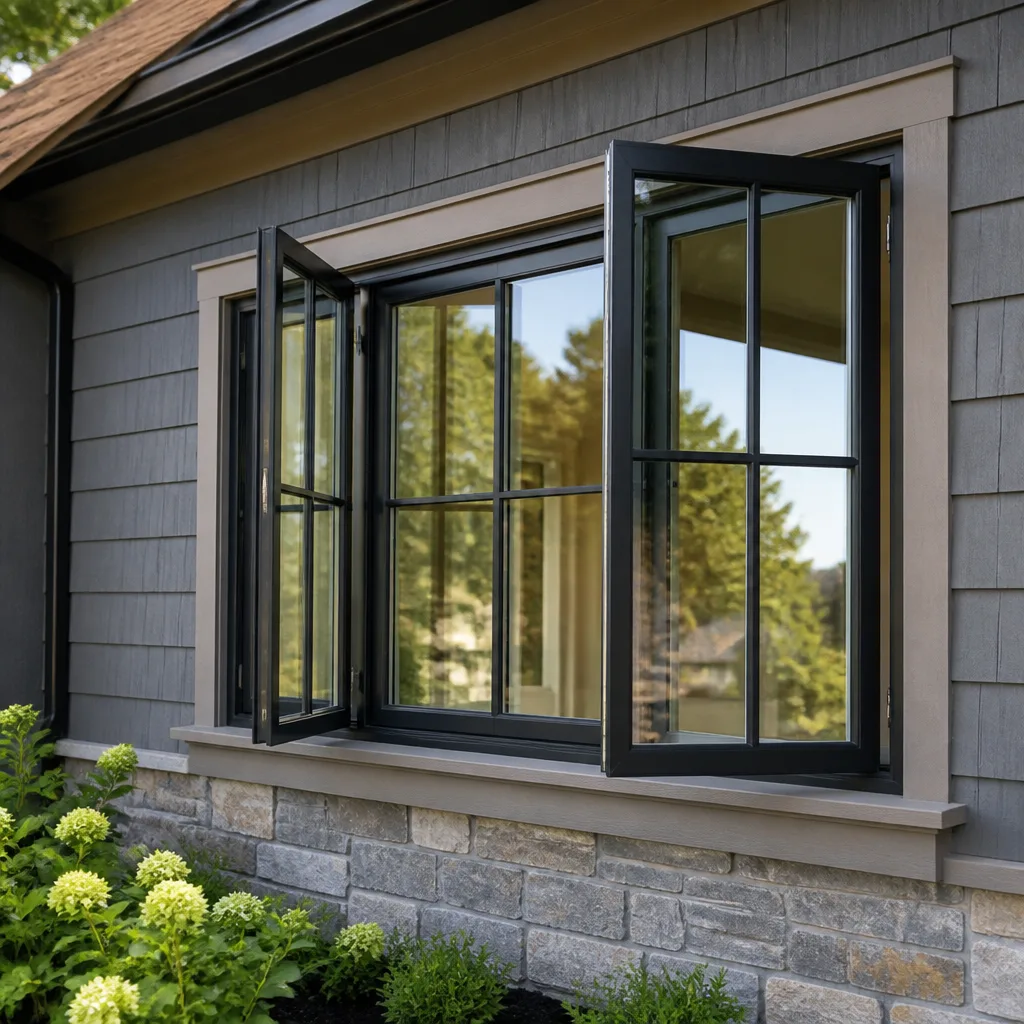
Casement Windows
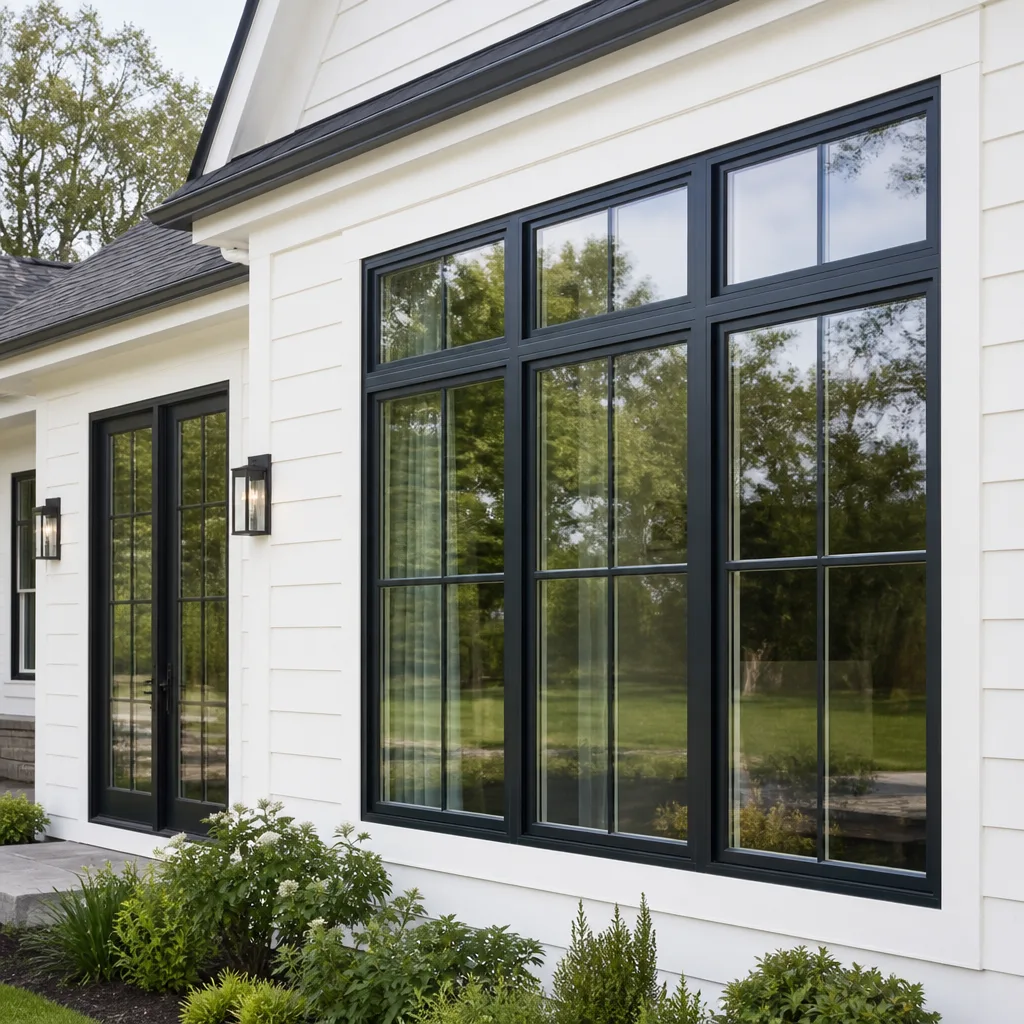
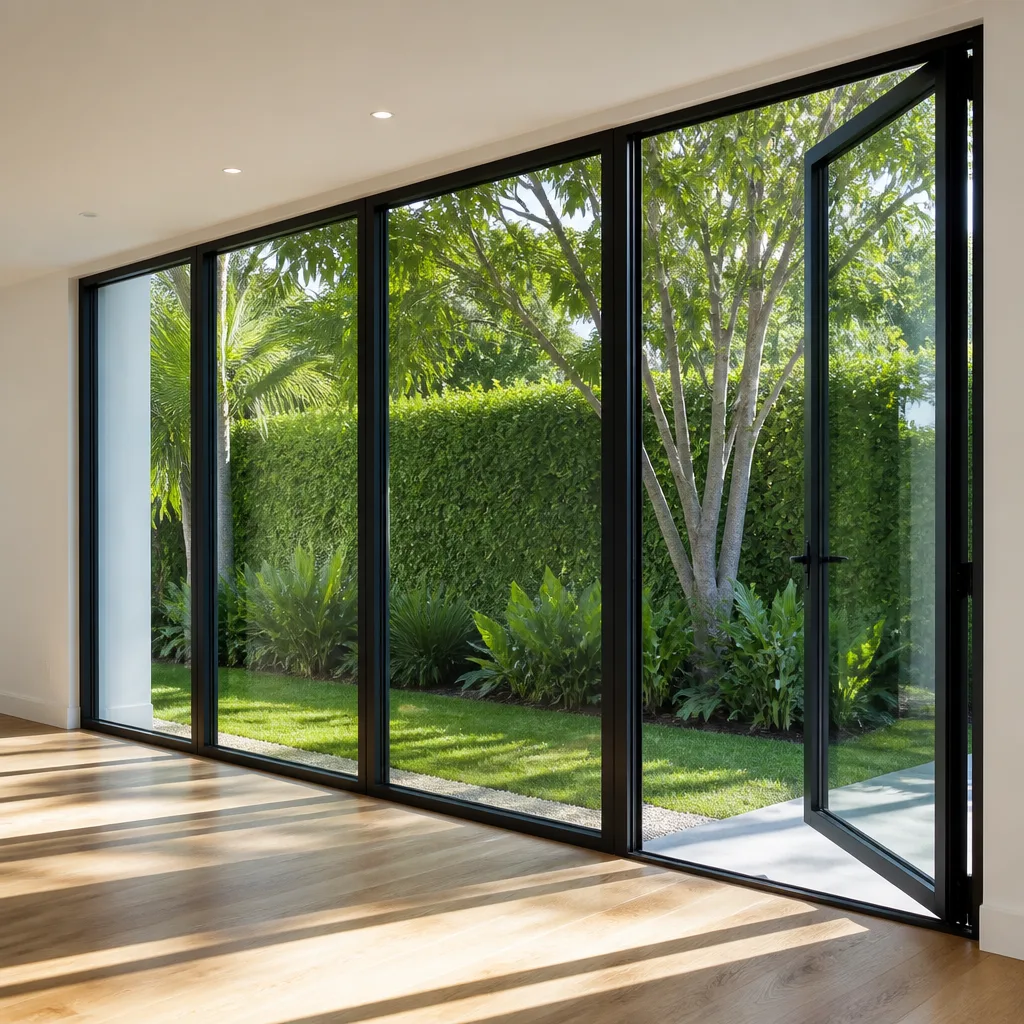
Casement windows deserve special attention in Miami Beach because they’re the most common original window type on historic Art Deco buildings. We install impact-rated casements from PGT and ES Windows that can be configured with custom muntin profiles and period-correct finishes to pass Historic Preservation Board review while still carrying a Miami-Dade NOA. If you have original steel casements in a South Beach or Flamingo-Lummus district building, this is almost certainly the window type your replacement will require.
What happens when you call
- 1
A real person answersNo phone trees - you reach a local pro.
- 2
You get an upfront price rangeHonest numbers before anyone is dispatched.
- 3
A background-checked tech heads outLicensed & insured, dispatched right away.
- 4
You approve before work beginsNothing starts until you say go.
Trusted Brands We Service in Miami Beach
Winslow Windows & Doors is an authorized installer for PGT, CGI, CWS, ES Windows, ECO Window Systems, and several other premium brands. We stock the replacement hardware and sealant systems that matter in Miami Beach specifically: marine-grade stainless fasteners, corrosion-resistant hinges, and high-solids sealants that hold up against Atlantic salt spray. Because we install these brands daily across South Florida, a Miami Beach customer isn’t waiting on a special-order part that has to ship from a warehouse three states away.
Common Window Installation Problems We See in Miami Beach Homes
- Salt-air pitting on standard aluminum frames. On the barrier island, unprotected aluminum frames pit and seize within two to three years. We use marine-grade finishes and stainless hardware on every ocean-adjacent installation.
- Jalousie windows that fail every code requirement. Pre-1970 buildings in South Beach and the Flamingo-Lummus district still have crank-out louvered glass. They provide zero impact resistance and fail Miami-Dade NOA entirely, yet replacing them on a contributing structure requires board approval first.
- Impact windows installed without the right Florida Product Approval number. A cheap quote from an out-of-area contractor often skips the large-missile rating your wind zone requires. The window goes in, final inspection fails, and the insurance wind-mitigation credit can’t be attached.
- Historic replacements red-tagged by the city. A NOA-approved window that meets code is still not enough on a historic-contributing building. If the sash profile, muntin grid, or finish was never reviewed by the Historic Preservation Board, the city won’t close the permit.
Pricing for Window Installation in Miami Beach, FL
In Miami Beach, you’re paying for two things at once: hurricane-rated engineering and, on many buildings, historic preservation compliance. That’s why pricing runs meaningfully higher here than on the mainland. A standard impact single-hung window runs $900 to $1,800 installed. A large 3-panel slider or custom casement opening runs $2,500 to $5,000. Whole-home packages for a single-family Miami Beach home generally land between $8,000 and $25,000 or more, driven by opening count, wind zone, floor height, and frame material. You’ll also want to factor in any required Historic Preservation Board drawings and the cost of a wind-mitigation inspection. The estimate we give you is written, line-item, and fixed. No change orders. No surprises on the invoice. Call (863) 946-5039 to schedule your free in-home measure.
What Window Installation Costs in Miami Beach
Let’s put real numbers on the table. Impact windows in Miami Beach generally run $800 to $1,500 per window installed. Impact single-hung windows land at $900 to $1,800. Large or custom openings, like a 3-lite slider or a floor-to-ceiling fixed pane, run $2,500 to $5,000. Whole-home packages start around $8,000 and can exceed $25,000 on a large waterfront property or a corner unit with a lot of glass facing the Atlantic.
Three things move the price in Miami Beach specifically. First, your building’s wind zone and floor height dictate the design pressure rating your units must meet, and higher-rated units cost more. Second, any historic-contributing structure adds a preservation submittal and often a custom muntin or period finish, which is not a standard catalog line. Third, the frame material matters: marine-grade aluminum and stainless hardware cost more than mainland-standard parts, but they’re the only sensible choice within a mile of salt water. Our free in-home measure comes with a written, line-item quote that locks every number before any work starts.
Storm and Wind-Load Requirements: What Your Miami Beach Quote Must Include
Every compliant window installation in Miami Beach is, at its core, a legal document as much as a building task. Your quote must include the specific Florida Product Approval number for each window configuration and the design pressure rating matched to your opening. Design pressure is a PSF rating, and it never exceeds +/-100. If a contractor hands you a quote that lists an mph number as a “design pressure,” that’s a red flag. Miami-Dade NOA approval is the other piece. This is the strictest impact-rated glazing certification in the country, and it’s mandatory in Miami Beach’s HVHZ wind zone.
On the municipal side, Miami Beach adds a rule that surprises contractors coming from anywhere else in the county. Before the city will even accept a permit application for any window replacement on a historic-contributing structure, the Miami Beach Historic Preservation Board must sign off on the proposed unit’s exact sightlines, muntin pattern, and finish. This gate does not exist in mainland Miami, Coral Gables, or Fort Lauderdale. What it means is that every compliant window on a protected Miami Beach building is a hybrid: period aesthetics on the outside, HVHZ missile-tested engineering underneath. A cheap quote that skips the board review will stall at the permit counter, and you’ll be the one chasing an unresponsive contractor while your building sits with the wrong windows.
Documented compliance matters later too. When you attach your final permit and product approvals to your insurance file, the windstorm premium credit is only available if everything traces back to a Florida Product Approval number and a clean final inspection. A window that was never legally permitted does not earn that credit, and if a storm hits and the claim adjuster finds unpermitted work, the claim gets complicated fast.
Historic Preservation vs. HVHZ: The Miami Beach Gauntlet
Now the part that only applies here. Miami Beach’s Art Deco Historic District covers roughly 800-plus protected structures concentrated in South Beach, and it forces window and door contractors to satisfy two masters at the same time. The Miami Beach Historic Preservation Board mandates that replacements maintain original sightlines, divided-lite profiles, and period proportions. Miami-Dade County’s NOA program mandates impact-rated glazing tested against large-missile impacts and wind loads few other places in the country even specify. This dual-compliance gauntlet does not exist in Coral Gables, Fort Lauderdale, or even mainland Miami. Every other city in the county gives you one code path. Miami Beach gives you two, and they occasionally pull in opposite directions.
The permit sequence on a contributing building looks like this, and nothing else matters if you get it out of order. The Historic Preservation Board reviews your proposed replacement unit first: profile, muntin grid, finish, sightline. Only after the board signs off will the city accept your permit application for the actual building work. Then the installation must use units carrying a Miami-Dade NOA and the correct Florida Product Approval number for that exact configuration. If you skip step one, you will be red-tagged. If you skip step two, you will fail final inspection. We handle both steps because we have done this exact dance for years.
On Euclid Avenue in the Flamingo-Lummus district, our crew replaced a wall of original steel casement windows in a 1939 Art Deco walk-up with PGT impact-rated casements carrying a Miami-Dade NOA and a custom historically-matched muntin profile. The existing jambs were rusted through from salt air, so we rebuilt the openings before setting the new sashes. We pulled the permit only after the Historic Preservation Board approved the exact divided-lite pattern in a silver-anodized finish. That’s the sequence, and it’s non-negotiable.
Jalousie Windows: Miami Beach’s Most Common Replacement Target
Jalousie windows, the louvered glass panels that crank open, are still found throughout pre-1970 South Beach and Flamingo-Lummus buildings. They are the single most common replacement target in Miami Beach because they offer zero impact resistance and fail Miami-Dade’s NOA requirements entirely. But on any historic-contributing structure, a technician cannot pull a permit until the Historic Preservation Board has signed off on the replacement unit’s exact profile, muntin pattern, and finish. That pre-permit review step surprises contractors coming from anywhere else in the county, and it’s exactly why a generic window company with no Miami Beach experience gets stalled for months. We know which jalousie openings can go to a standard impact window and which need a custom divided-lite profile to pass board review.
Salt Air and Barrier Island Reality
Miami Beach sits on a narrow barrier island with Biscayne Bay to the west and the Atlantic to the east. Every exterior frame, hinge, and seal you install is exposed to relentless salt-air corrosion. Standard aluminum and non-marine-grade hardware degrade here within two to three years. This is not a cosmetic issue. A corroded frame loses its structural integrity exactly when you need it most: during a wind event. We specify marine-grade finishes and stainless hardware on every ocean-adjacent installation in Miami Beach, from a single casement in a North Shore bungalow to a full 3-lite slider retrofit in a Collins Avenue high-rise. The city also sits almost entirely within FEMA Special Flood Hazard Areas, which makes door threshold heights and flood-rated bottom seals an increasingly urgent specification as sunny-day tidal flooding infiltrates ground-floor units.
Florida Pays You Back
Florida has a real incentive stack for impact-resistant windows and doors, and Miami Beach homeowners should take advantage of it. The My Safe Florida Home program offers matching grants up to $10,000 for qualifying wind-mitigation upgrades, and impact windows are squarely within scope. Florida also offers a sales-tax exemption on impact-resistant windows and doors at the point of purchase. At the federal level, the 25C energy credit can return up to $600 per year on qualifying energy-efficient units. Beyond the direct rebates, most homeowners see windstorm-premium credits averaging around 25% on the windstorm portion after a wind-mitigation inspection, which runs $75 to $150. We cannot guarantee your exact numbers because programs and carriers set the final figures, but we document every installation so your product approvals, permit, and final inspection are ready to attach to any application or insurance filing.
Impact Windows vs. Hurricane Shutters
The honest comparison for a Miami Beach homeowner: impact windows are permanent protection built into the wall, while hurricane shutters are panels you store and hang before every storm. On a barrier island with mandatory evacuation orders, the last thing you want to be doing is wrestling shutter panels onto a second-story window while the storm bands arrive. Impact windows protect the envelope even when you’re not home, and they stay busy every day before hurricane season by cutting outside noise from Collins Avenue and reducing solar heat gain on a west-facing Intracoastal unit. Shutters do one thing. Impact windows do the job permanently, plus they change how your building performs. Winslow installs impact windows and doors. We do not sell or install shutters, and we’ll tell you plainly whether impact-rated glazing is the right call for your specific building.
We Also Serve Cities Near Miami Beach
Our crews are based out of our Miami office, and we work weekly across Miami Beach and the surrounding South Florida market. If you’re just across the causeway, we also serve Miami, Coral Gables, Hialeah, and North Miami Beach with the same licensed crews, the same published address, and the same 36500-Day Done Right Promise. The Historic Preservation Board gate doesn’t apply over there, but everything else about how we work does.
Serving Miami Beach, FL - Our Local Coverage Area
We’re based in the Miami Beach area and know this community well. Use the map below to see our service coverage - if you’re nearby, we can almost certainly help.
FAQs - Window Installation in Miami Beach
Yes, if your building is designated historic-contributing. The city will not accept a permit application for a window replacement until the Historic Preservation Board signs off on the proposed unit’s profile, muntin pattern, and finish. This is unique to Miami Beach’s protected districts. Call (863) 946-5039 and we’ll check your building’s status before you spend a dollar.
A Miami-Dade NOA, or Notice of Acceptance, is the county’s certification that a specific window product has passed the strictest impact-rated glazing tests in the United States, including large-missile impact testing. Miami Beach sits within the High Velocity Hurricane Zone, so every replacement window must carry a NOA and a matching Florida Product Approval number. No NOA, no permit. No permit, no final inspection.
Yes, in most cases. After a wind-mitigation inspection, which typically costs $75 to $150, homeowners see windstorm-premium credits averaging around 25% on the windstorm portion of their policy. The credit requires documented compliance: your permit, final inspection, Florida Product Approval numbers, and NOA certifications. We prepare every installation file so that documentation is ready to attach.
Yes. Jalousie windows are the single most common replacement target in Miami Beach because they provide zero impact resistance. On a contributing structure, the replacement must be pre-approved by the Historic Preservation Board, and we spec units with custom divided-lite profiles and period finishes that pass that review while still carrying a Miami-Dade NOA. The look stays. The protection arrives.
Salt air accelerates corrosion on standard aluminum frames and hardware, causing pitting and seizing within two to three years on the barrier island. We use marine-grade finishes and stainless hardware on every ocean-adjacent installation, and we spec high-solids sealants that hold up against Atlantic spray. The upgrade is standard on our quotes, not a line item you have to ask for. Call (863) 946-5039 for a free in-home measure and a written quote.
Written by Ed Winslow, Owner at Winslow Windows & Doors, serving Miami Beach since 2011.
Upfront pricing. No surprises on the invoice. Impact-rated. Energy-certified. Done right the first time, or we come back. The one down the road. Call (863) 946-5039 to schedule your free estimate.
Six Reasons Homeowners Choose Winslow Windows & Doors
Impact systems engineered to design pressures up to +/-100, matched to your wind zone - your openings hold when the storm arrives.
Low-E insulated impact glass from our manufacturer lines commonly cuts monthly cooling bills 20-30%.
Laminated impact glass shuts out up to 40% of outside noise - traffic, neighbors, weather.
Monitoring services run $30-90 a month. Laminated impact glass resists forced entry around the clock, with no subscription.
Florida homeowners average around 25% savings on the windstorm portion of their policy after protecting every opening - some homes qualify for more.
A full impact package upgrades curb appeal, buyer confidence and appraised value in one project.