
Free in-home measure and quote - PGT, CGI and CWS impact lines compared on your actual openings, style by style
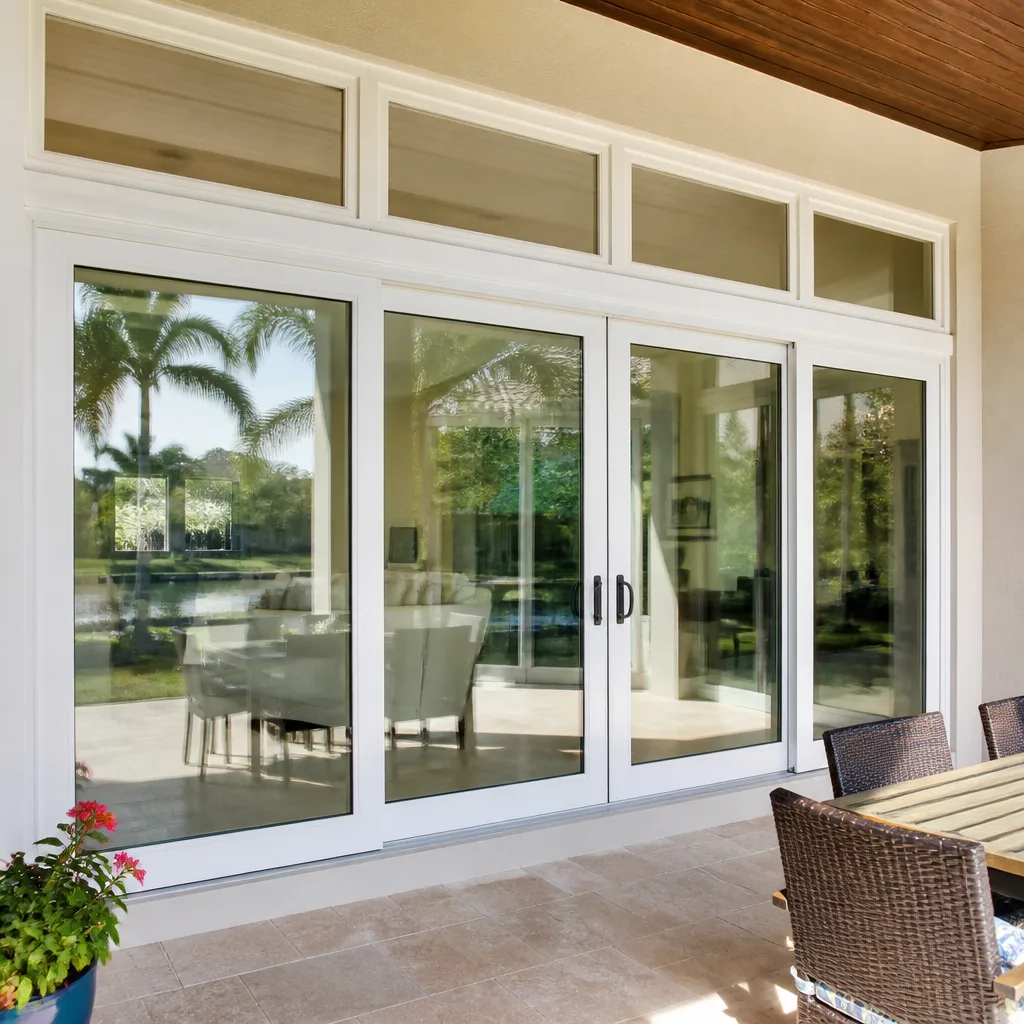
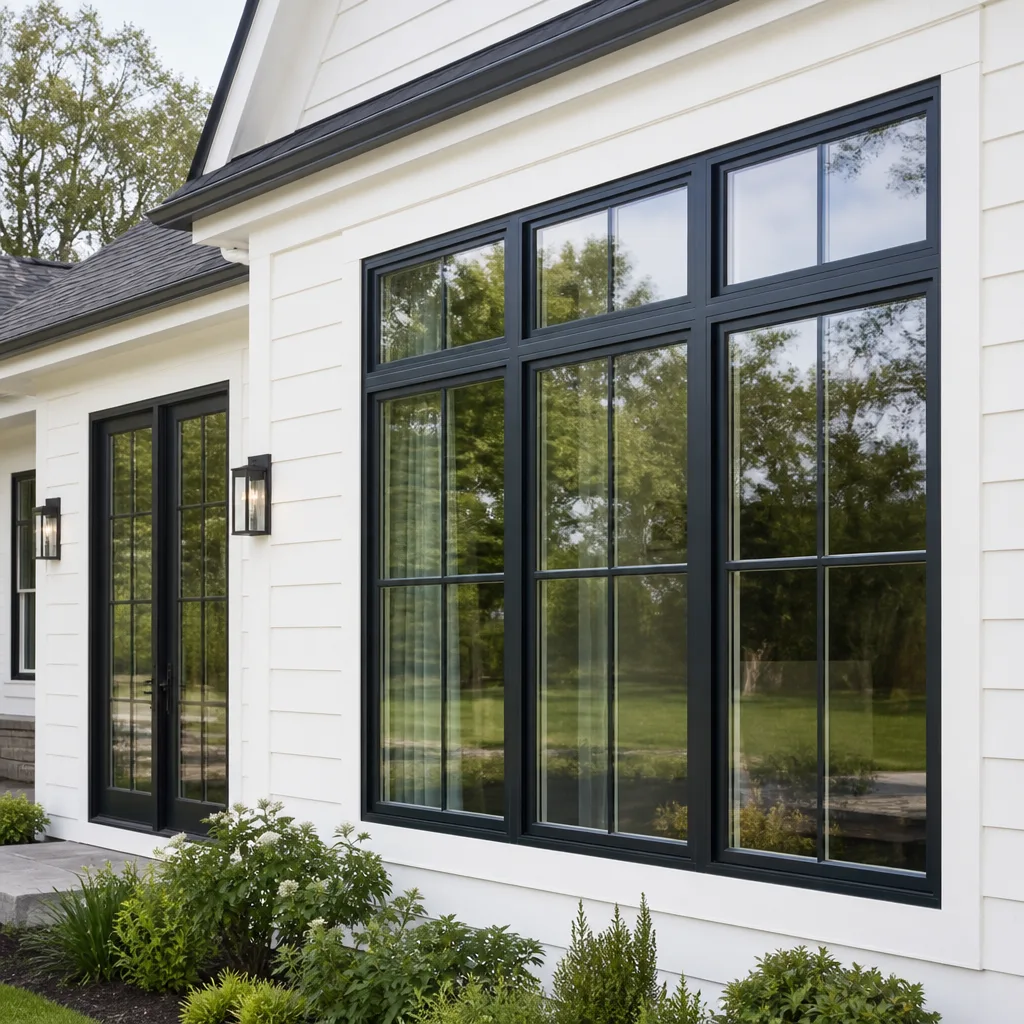
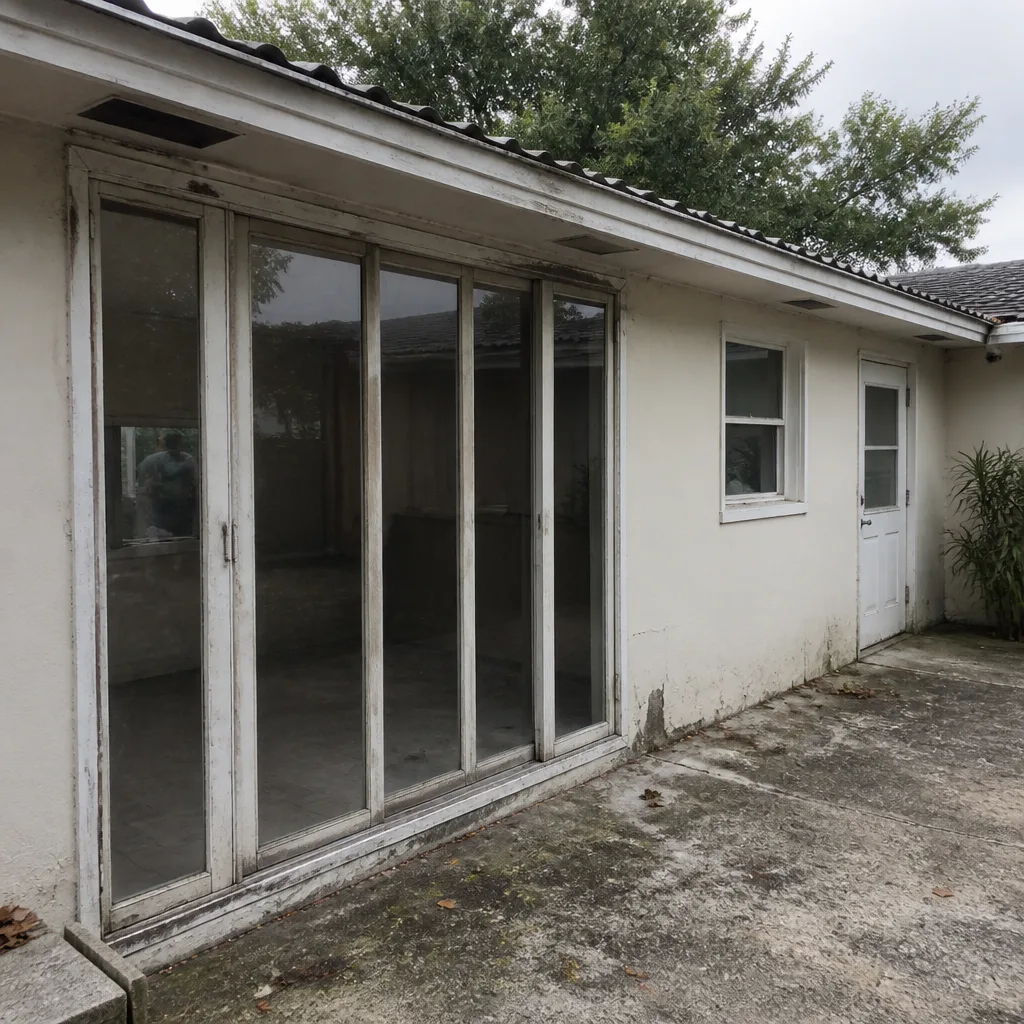 Before
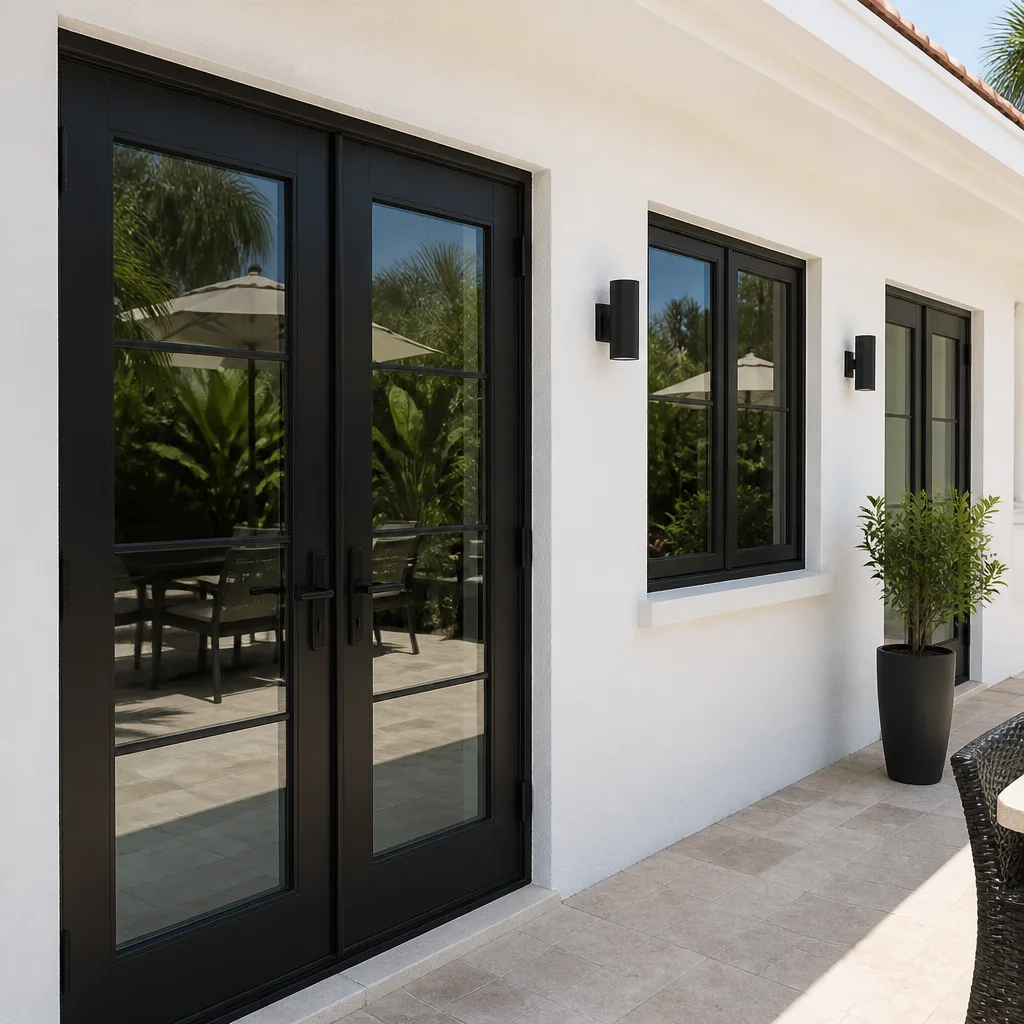 After
After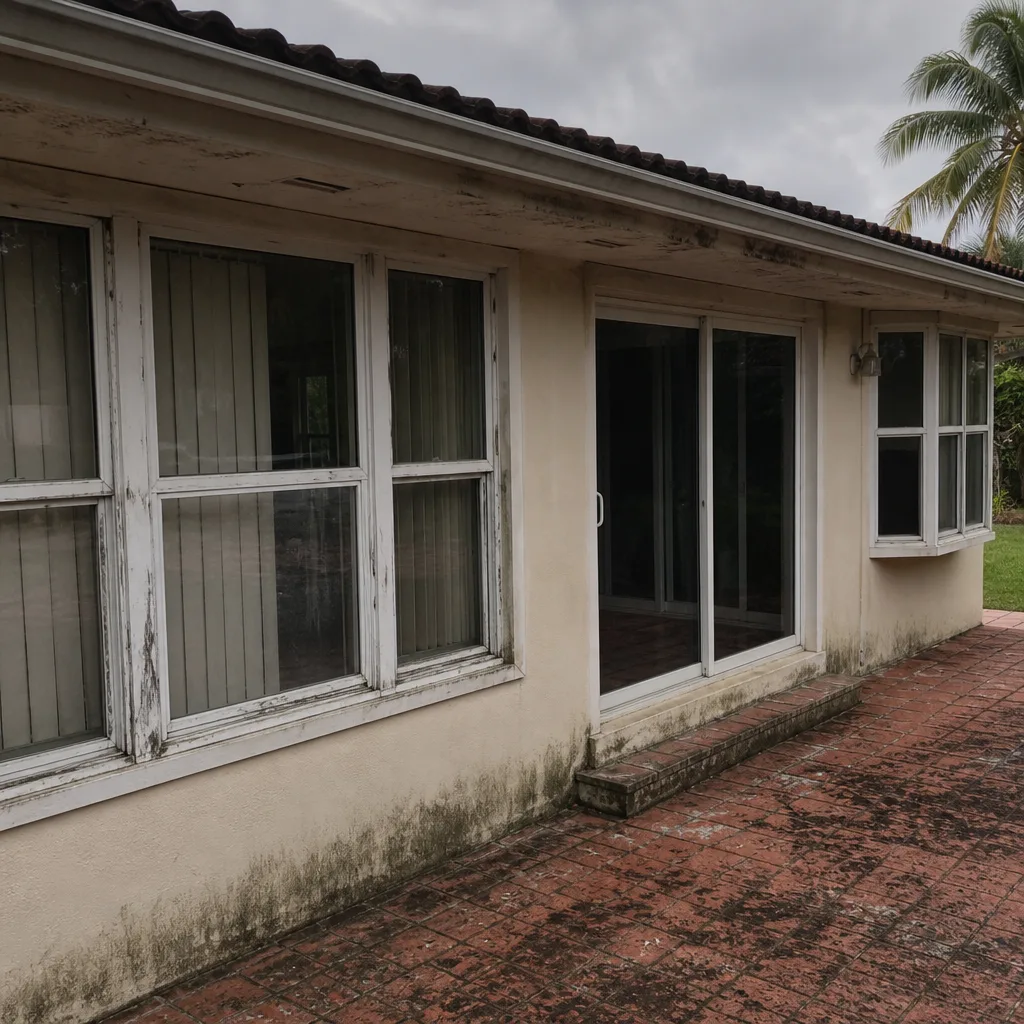 Before
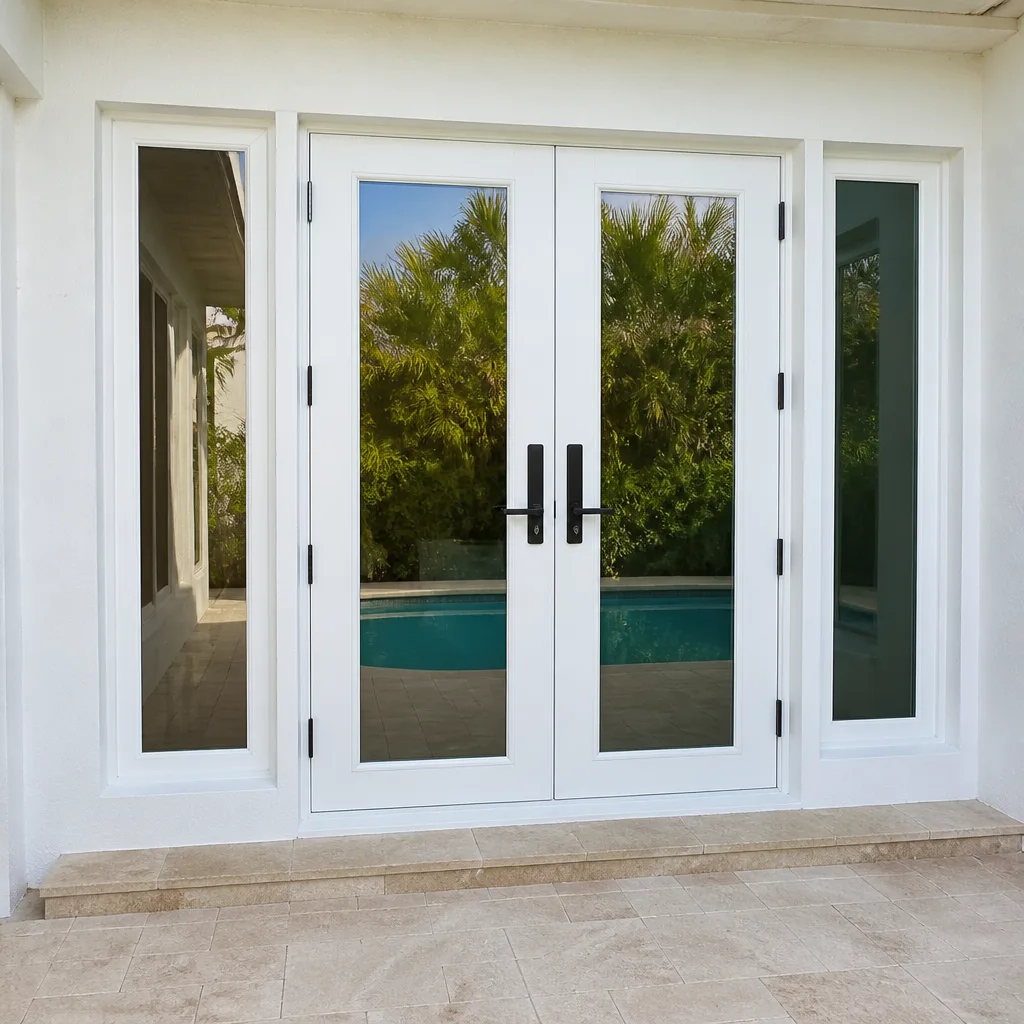 After
After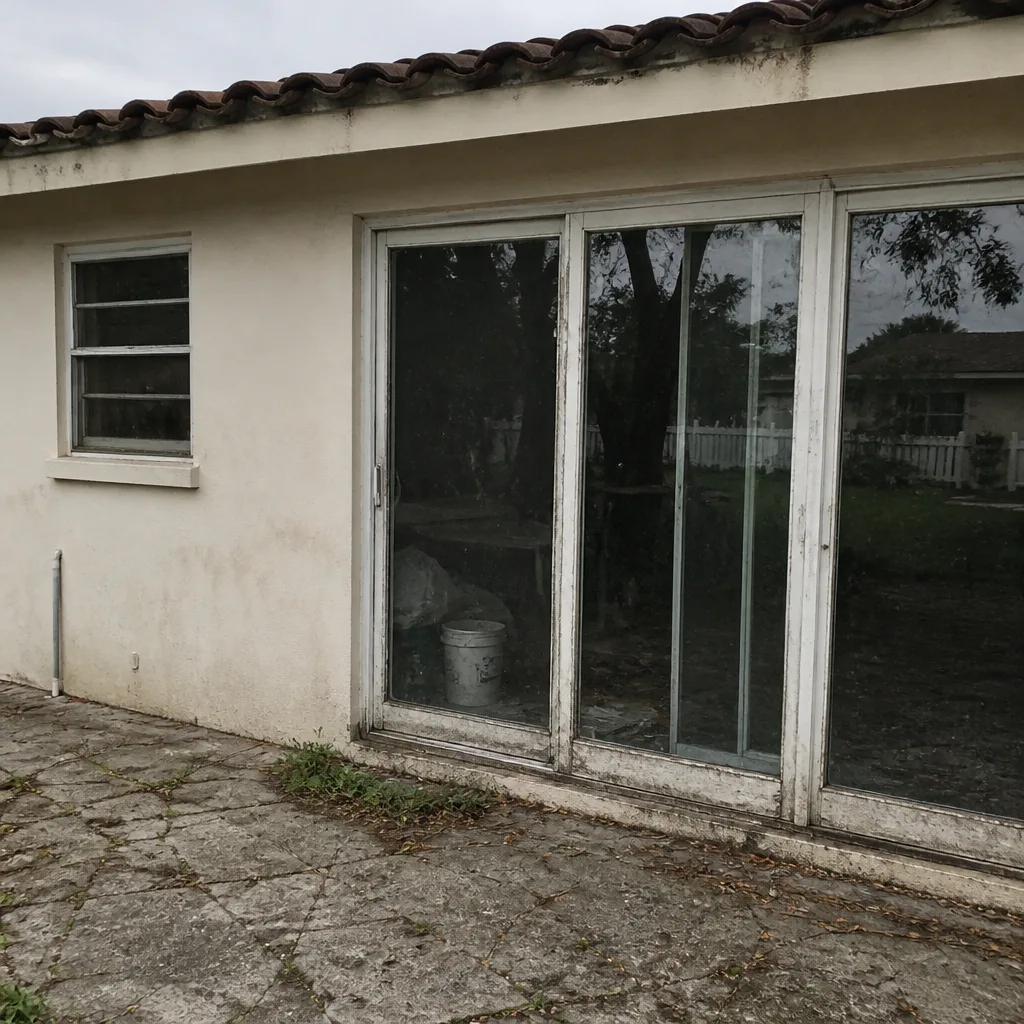 Before
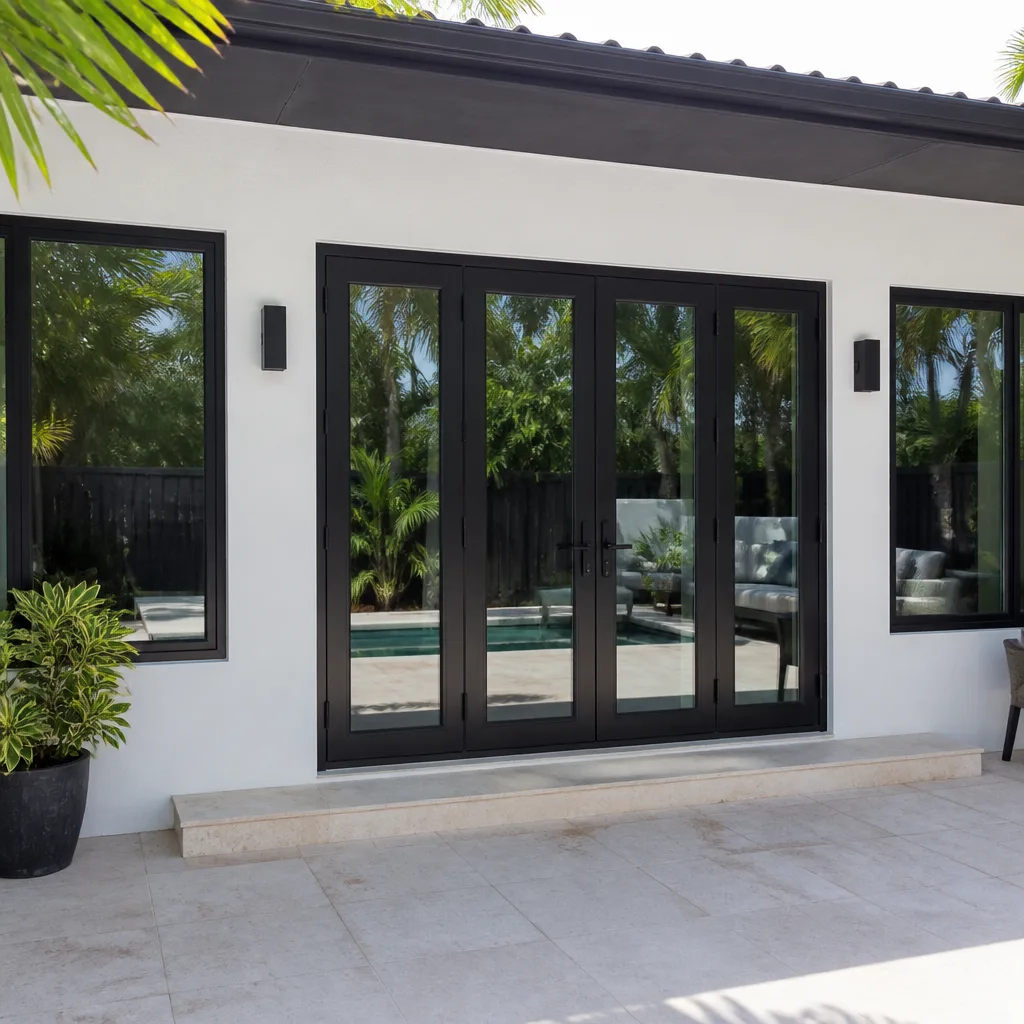 After
AfterLow-E & Argon Gas Glass in Miami, FL
Low-E and argon gas glass is a double- or triple-pane energy-efficient window construction where a microscopically thin metallic coating (Low-E) reflects heat and UV rays, while argon gas sealed between the panes adds an extra thermal barrier. In Miami, this combination can cut solar heat gain through your windows by 40-70% compared to standard single-pane glass. If your air conditioner runs constantly and your FPL bill climbs every summer despite a functioning HVAC system, your glass is likely the culprit – not your AC unit.
At Winslow Windows & Doors, we’ve been installing Low-E and argon gas units across Miami since 2011. Ed Winslow built this company around one premise: every homeowner deserves straight answers and work that holds up past the final handshake. Our Energy-Efficient Windows in Miami service covers the full picture of glass performance, and Low-E with argon is at the center of nearly every upgrade conversation we have in this market. Call us at (863) 946-5039 – a live person answers every call, around the clock, no voicemail loops.
Why Miami Specifically Demands This Glass
Miami’s climate is unlike anything in the continental United States above Central Florida. You’re dealing with roughly 3,000 hours of direct sunlight per year, sustained humidity above 75% for most of the calendar, and afternoon temperatures that regularly push toward 95°F from May through October. Standard float glass – even double-pane without a coating – offers almost no resistance to radiant heat. It transmits solar energy straight into your living space, which forces your air conditioner to work against the sun as much as it works against the outdoor temperature.
In neighborhoods like Coconut Grove, Coral Way, and Little Havana, where a lot of the housing stock dates to the 1960s and 1970s, the original single-pane jalousie or aluminum-framed glass was never designed for energy performance. In Brickell and Edgewater, newer high-rise units often have glass that meets basic building code but falls short of the performance you can get from a properly specified Low-E argon unit. And in areas like Palmetto Bay and Pinecrest, where homes have larger footprints and more glass exposure on the south and west facades, the cumulative heat gain from uncoated windows is significant enough to show up on monthly utility statements year-round.
Argon gas also matters more in Miami than you might expect. The gas slows convective heat transfer inside the airspace of the pane. On a July afternoon when outside glass surface temperatures can reach 120°F, the argon cushion is what separates the hot outer pane from the cooler inner pane – keeping your interior glass closer to room temperature and reducing radiated heat into the room. Without it, even a Low-E coated unit underperforms.
When You Need Low-E & Argon Gas Glass
- Your energy bills have crept up without a clear HVAC reason. If your air conditioner was serviced recently and your thermostat settings haven’t changed, but your FPL bill still spikes every June through September, radiant heat through single-pane or uncoated glass is the most common explanation we find in Miami homes.
- Furniture, flooring, or artwork is fading noticeably. Low-E coating blocks the near-infrared and UV wavelengths responsible for most interior fading. If you’ve noticed bleaching on hardwood floors near a west-facing window or color loss on a sofa near a sliding glass door, the glass is letting in more UV than it should.
- The room closest to your largest window is always 5-8 degrees warmer than the rest of the house. This is radiant heat gain at work. In Miami homes with large east or west exposures – common in Doral, Kendall, and Hialeah – one poorly performing window or door unit can throw off the thermal balance of an entire room.
- You can feel heat radiating off the glass in the afternoon. If you stand near a window on a summer afternoon and feel warmth on your face without touching the glass, the inner pane is conducting heat from outside. Low-E argon glass should feel close to ambient room temperature from the inside.
- Your current windows are single-pane or pre-2000 double-pane. Older double-pane units often used air fill rather than argon, and the Low-E coatings available before 2000 were significantly less effective than current generation coatings like those in ES Windows and ECO Window Systems products. The performance gap is measurable.
- You’re upgrading to impact glass and want to do it once, correctly. Miami-Dade County requires impact-rated glass for most replacement windows. If you’re already making that investment, specifying Low-E argon at the same time adds modest cost but delivers energy returns that pay back over years – not decades.
Understanding the Glass: Low-E Coating and Argon Gas Explained
Low-E stands for low-emissivity. The coating is a layer of metalite oxide – typically silver or tin oxide – applied to one surface of the glass pane, usually the interior-facing surface of the outer pane (called “Surface 2” in glass industry terminology). This coating reflects long-wave infrared radiation back toward its source, providing UV-blocking and fade protection for your interiors. In Miami’s climate, the most important direction of reflection is outward: solar heat that would otherwise enter your home is largely turned back at the glass surface.
There are two main Low-E production methods. Pyrolytic (hard coat) Low-E is applied during the float glass manufacturing process and is more durable but less effective at blocking solar heat. Sputter-coated (soft coat) Low-E is applied in a vacuum chamber after manufacturing and achieves a much lower Solar Heat Gain Coefficient (SHGC), which is what matters in Miami. Most of the brands we install – including ES Windows and ECO Window Systems – use sputter-coated Low-E for their Miami-market products because the SHGC performance is substantially better in high-sun climates.
The Solar Heat Gain Coefficient is the number to watch in any window energy audit or rating. It measures how much solar energy the glass transmits as heat, on a scale of 0 to 1. Lower is better for Miami. A plain single-pane window typically has an SHGC of around 0.86. A quality Low-E argon double-pane unit can bring that down to 0.22-0.28. That difference is not theoretical – it’s the difference between a room you can comfortably use at 3 p.m. in August and one you avoid.
Argon gas has a lower thermal conductivity than air – about 34% lower. When it fills the space between glass panes, it slows the transfer of heat from one pane to the other. This improves the U-factor of the window unit (the measure of heat flow through the whole assembly). In Miami’s climate, U-factor matters most at night when outside temperatures drop and you want to prevent heat from migrating back out, but it also contributes to overall performance during the day by reducing edge-of-glass heat transfer where argon concentration is highest.
Our Low-E & Argon Gas Glass Process
- Free in-home assessment and glass performance audit. We start with an on-site visit – no trip charge within our home county – where we evaluate your existing window frames, glass type, orientation, and exposure. We use a handheld thermal camera on exterior glass during afternoon hours when possible to show you exactly where heat is entering. This isn’t a sales meeting; it’s a diagnostic conversation about what your home actually needs.
- Specification and product selection. We match glass performance specs to your exposure and budget. A west-facing wall of windows in Doral gets specified differently than north-facing windows in a shaded Coral Gables home. We pull manufacturer performance data – specifically SHGC and U-factor – for each unit we recommend, and we explain those numbers in plain language before you commit to anything. We carry authorized product lines including ES Windows and ECO Window Systems, both of which offer Miami-Dade Product Approval on their impact-rated Low-E argon units.
- Upfront pricing before any work begins. You’ll receive a written, line-itemed estimate. No surprises on the invoice. If you have a competing written estimate, we’ll give you a free second opinion at no charge – and we’ll explain the differences point by point so you can make an informed decision, not just a price-based one.
- Permit and compliance coordination. Miami-Dade County requires building permits for window replacements, and the glass must carry a valid Miami-Dade Notice of Acceptance (NOA). We handle the permit application, coordinate with the county inspection schedule, and ensure every unit we install meets current Florida Building Code requirements. You don’t need to navigate the county portal or chase inspectors – that’s our job.
- Precision installation by background-checked, uniformed technicians. Our crews are Winslow employees, not day-labor subcontractors. Every technician is background-checked and arrives in uniform. Proper Low-E argon installation requires correct glazing tape application, proper silicone sealing at the frame perimeter, and installation according to the manufacturer’s NOA specifications. A unit installed outside those specs can void the Miami-Dade approval and the manufacturer warranty in the same stroke – we don’t cut those corners.
- Post-installation inspection and 36500-Day Done Right Promise. After installation, we inspect each unit for proper seal integrity, operation, and alignment. If anything isn’t right – on the day we finish or five years from now – Ed’s promise is simple: we come back and make it right. The 36500-Day Done Right Promise is not a marketing phrase; it’s what Ed Winslow stands behind with his name on the business.
Low-E & Argon Gas Glass Pricing in Miami
Low-E and argon gas glass in Miami typically costs between $350 and $950 per window unit, installed, depending on size, frame material, impact rating, and glass specifications. That range covers the majority of residential replacement windows we install in this market. Here’s a more specific breakdown of what drives the number in either direction:
- Standard double-hung or single-hung, 24″x36″ to 36″x48″, non-impact Low-E argon: $350-$550 installed. Less common in Miami due to code requirements in most areas for impact glass, but applicable in some interior or protected openings.
- Impact-rated double-pane Low-E argon, standard residential size (up to 48″x60″): $550-$750 installed per window. This is the most common installation in Kendall, Doral, and Hialeah homes built in the 1980s-2000s.
- Large picture windows or sliding glass door glass replacement with Low-E argon: $750-$1,400+ per unit, depending on dimensions. Large south or west-facing sliders in Brickell and Pinecrest condos often fall in this range.
- Whole-home replacement packages (10+ units): Per-unit costs typically decrease 8-15% when we’re doing a full home at once, because mobilization, permitting, and inspection costs are amortized across the whole job.
Several factors push a quote toward the higher end: non-standard frame dimensions, historic preservation requirements in neighborhoods like Coconut Grove or Coral Gables (which can limit your glass or frame options), high-floor or difficult-access installations in condo buildings, and custom configurations like trapezoid or arched glass. We’ll identify every one of those variables in the free assessment before you see a number.
Seniors and veterans receive a permanent 10% discount on all services – not a promotional offer, a standing commitment. If your repair total exceeds $200, deduct $40. Call (863) 946-5039 for an exact quote. The estimate is free, and so is the second opinion if you’re comparing bids.
FAQs – Low-E & Argon Gas Glass in Miami
Does Low-E argon glass actually reduce my electricity bill in Miami?
Yes – and in Miami’s climate, the reduction is measurable rather than marginal. Homes in South Florida that switch from single-pane or uncoated double-pane glass to Low-E argon units typically see cooling load reductions of 20-35%, which translates to real FPL bill savings because air conditioning accounts for 50-60% of residential electricity use in this market. The exact dollar figure depends on your home’s square footage, the number and size of windows replaced, and your current thermostat habits. Call (863) 946-5039 and we can walk through a rough projection based on your specific situation – no charge for that conversation.
Does argon gas leak out over time, and what happens if it does?
Argon gas does dissipate gradually from any insulated glass unit over its service life – the industry-standard expectation is 1% per year leakage in a properly sealed unit, meaning a 20-year-old window has lost roughly 20% of its argon fill. At that level, thermal performance degrades but doesn’t collapse. If the seal fails prematurely – which shows up as fogging or condensation between the panes – the argon fill is gone and the unit’s performance is compromised. That’s a warranty call, and quality units from manufacturers like ES Windows carry sealed-unit warranties that cover this scenario. We specify units with documented seal integrity standards and handle warranty coordination if a premature failure occurs.
How is Low-E glass different from tinted glass, and which is better for Miami?
Tinted glass reduces visible light transmission and absorbs solar energy into the glass itself, which then radiates heat into the room. Low-E coating reflects solar energy before it enters the glass. In Miami’s climate, reflection is better than absorption because absorbed heat still enters your living space. Low-E glass also maintains higher visible light transmission than solar and tinted glass options, so your rooms stay brighter while staying cooler. For most Miami homeowners, Low-E argon outperforms tinted glass on every performance metric that matters: SHGC, U-factor, UV protection, and interior comfort.
Can Low-E argon glass be installed in existing frames, or do I need new frames too?
In some cases, an insulated glass unit can be retrofitted into an existing frame if the frame is structurally sound and the dimensions accommodate the thicker double-pane unit. However, in Miami-Dade County, any replacement glass in an opening subject to wind-load requirements must meet current Florida Building Code impact standards and carry a valid NOA – which typically means a new, tested window-and-frame assembly rather than a glass-only swap. We assess existing frames during the free in-home visit and tell you honestly whether a glass-only replacement is viable or whether full frame replacement is the correct approach for your specific opening and location. Call (863) 946-5039 to schedule that assessment.
Key Takeaways
- Low-E coating reflects solar heat before it enters your home; argon gas slows heat transfer between panes. Together they cut solar heat gain by 40-70% versus standard single-pane glass.
- Miami’s 3,000+ annual sunlight hours and year-round humidity make this the highest-return glass upgrade available in South Florida’s residential market.
- Miami-Dade County requires impact-rated glass for most residential window replacements – properly specified Low-E argon impact units satisfy both energy and code requirements in one installation.
- Installed pricing ranges from roughly $350 to $950+ per unit, with whole-home packages reducing per-unit cost by 8-15%.
- Winslow Windows & Doors has been installing Low-E argon glass across Miami since 2011, backed by the 36500-Day Done Right Promise and Ed Winslow’s name on every job.
- Seniors and veterans receive a permanent 10% discount. Second opinions on written estimates are always free.
Get a Free Low-E & Argon Gas Glass Estimate in Miami
If your home is working harder than it should to stay cool, the glass is worth a serious look. We serve Miami neighborhoods from Brickell to Kendall, Hialeah to Pinecrest, and everything in between. As part of our broader work as an home exterior specialist, Low-E argon glass installation sits at the center of what we do best in this market.
Call (863) 946-5039 and someone will pick up – day, night, or weekend. We’ll schedule a free in-home assessment, bring the thermal camera, and give you a written estimate with real numbers. No trip charge inside the home county. No pressure. Ed’s name is on the door, and on every job we do.
Written by Ed Winslow, Owner at Winslow Windows & Doors, serving Miami since 2011.
Six Reasons Homeowners Choose Winslow Windows & Doors
Impact systems engineered to design pressures up to +/-100, matched to your wind zone - your openings hold when the storm arrives.
Low-E insulated impact glass from our manufacturer lines commonly cuts monthly cooling bills 20-30%.
Laminated impact glass shuts out up to 40% of outside noise - traffic, neighbors, weather.
Monitoring services run $30-90 a month. Laminated impact glass resists forced entry around the clock, with no subscription.
Florida homeowners average around 25% savings on the windstorm portion of their policy after protecting every opening - some homes qualify for more.
A full impact package upgrades curb appeal, buyer confidence and appraised value in one project.