
Free in-home measure and quote - PGT, CGI and CWS impact lines compared on your actual openings, style by style
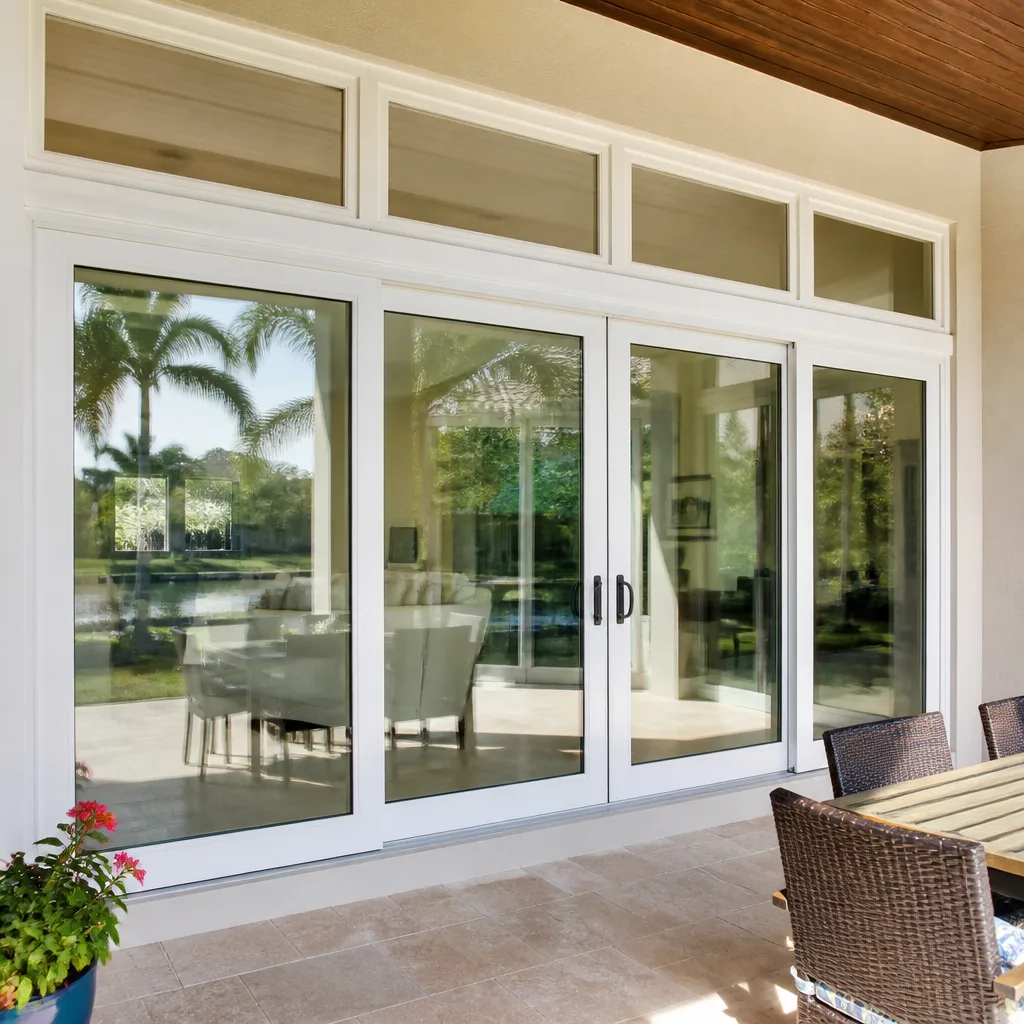
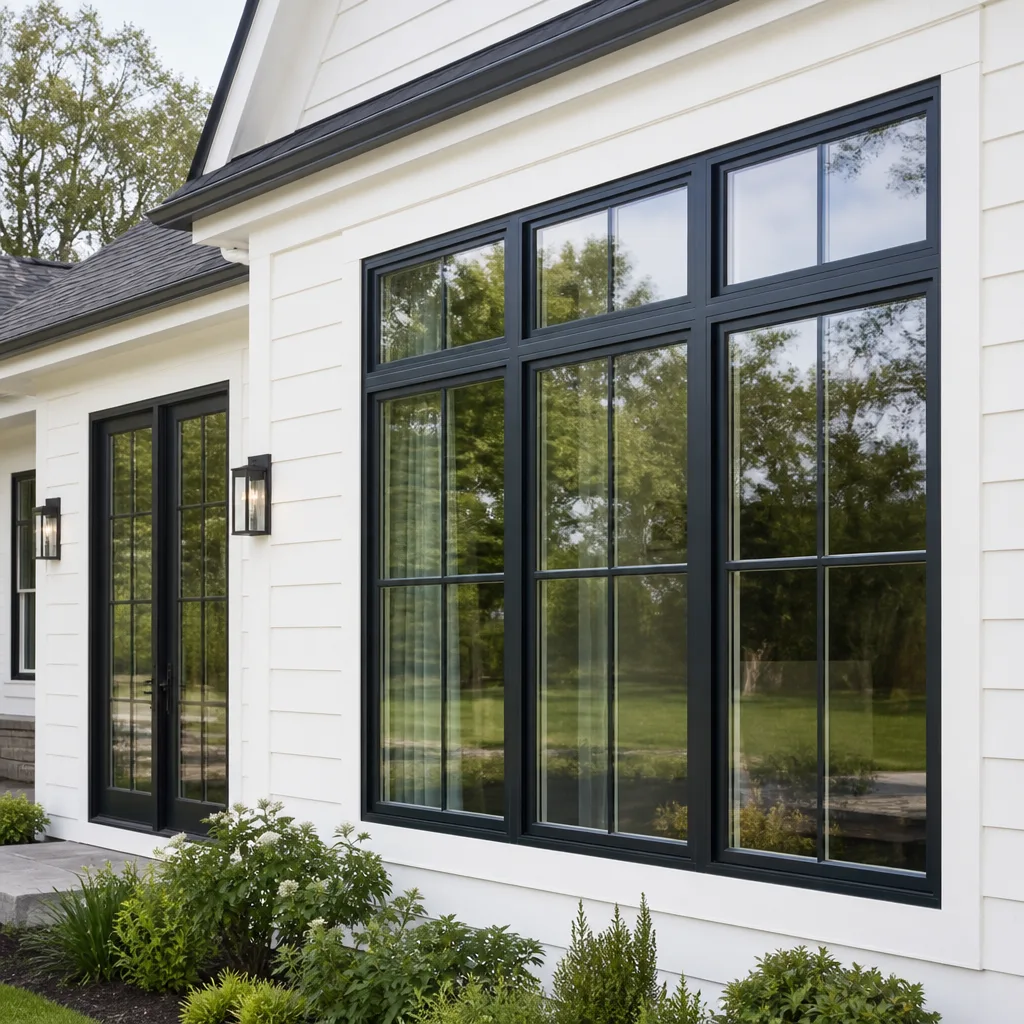
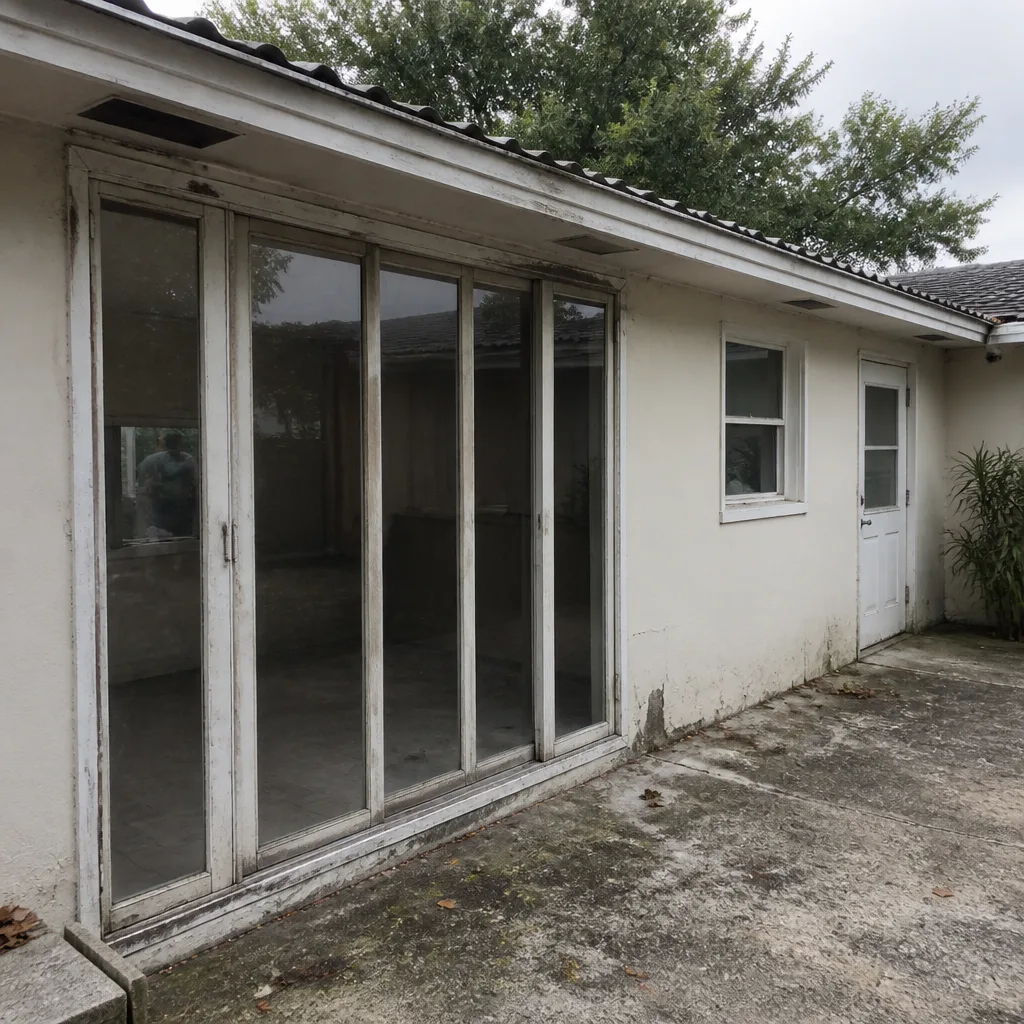 Before
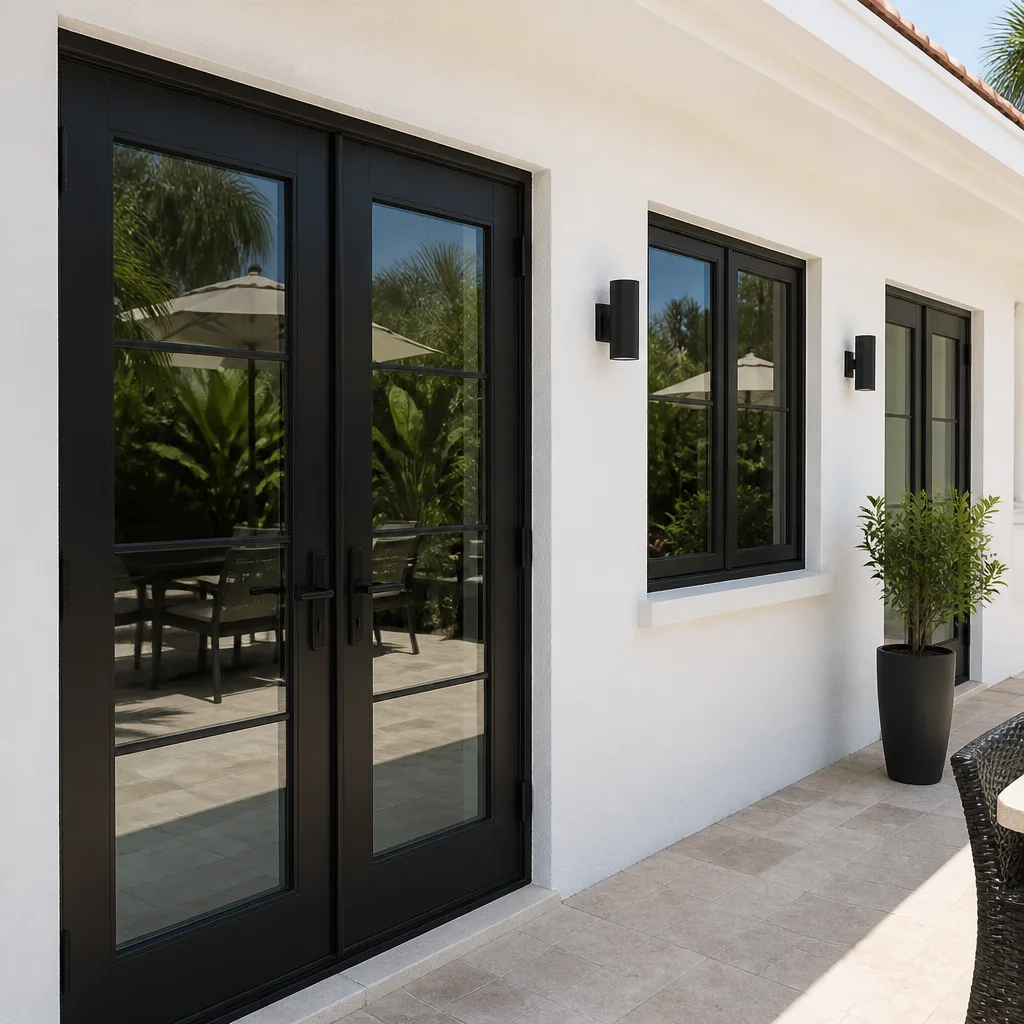 After
After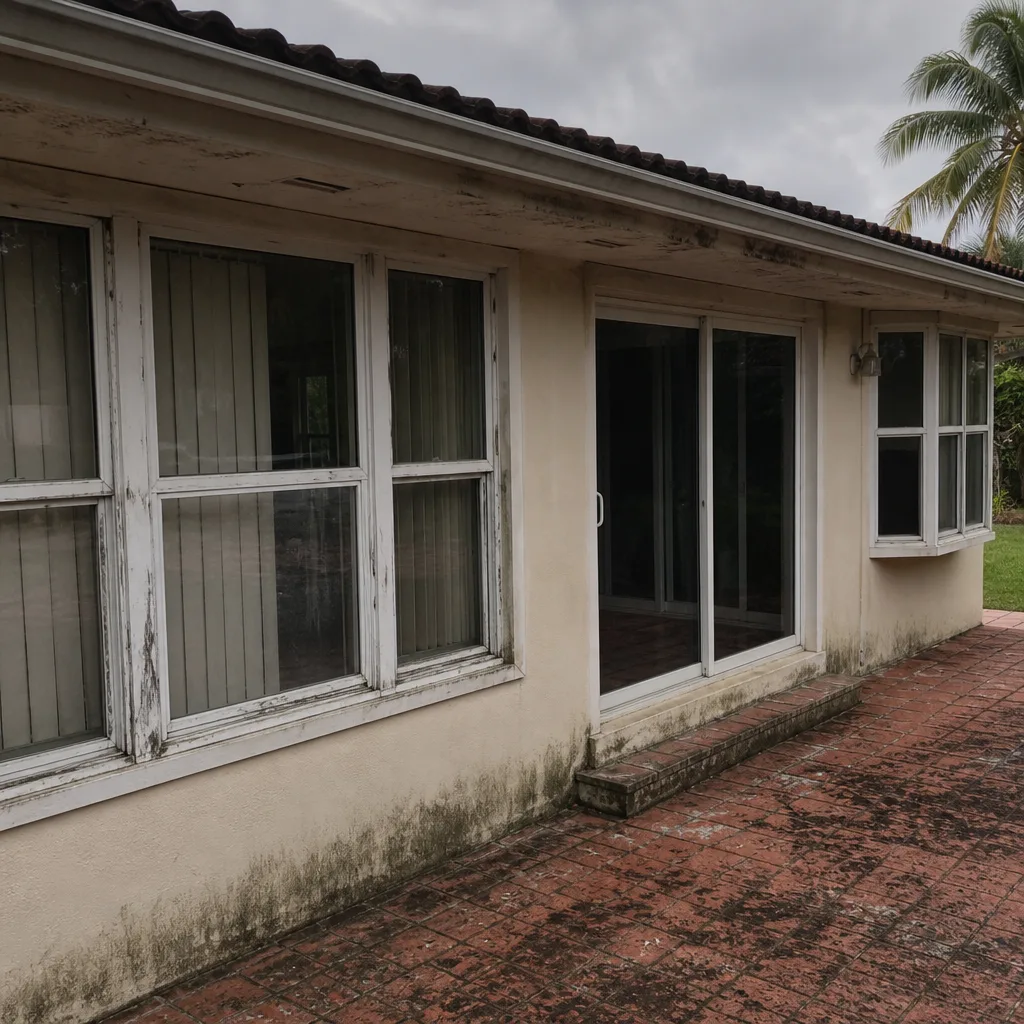 Before
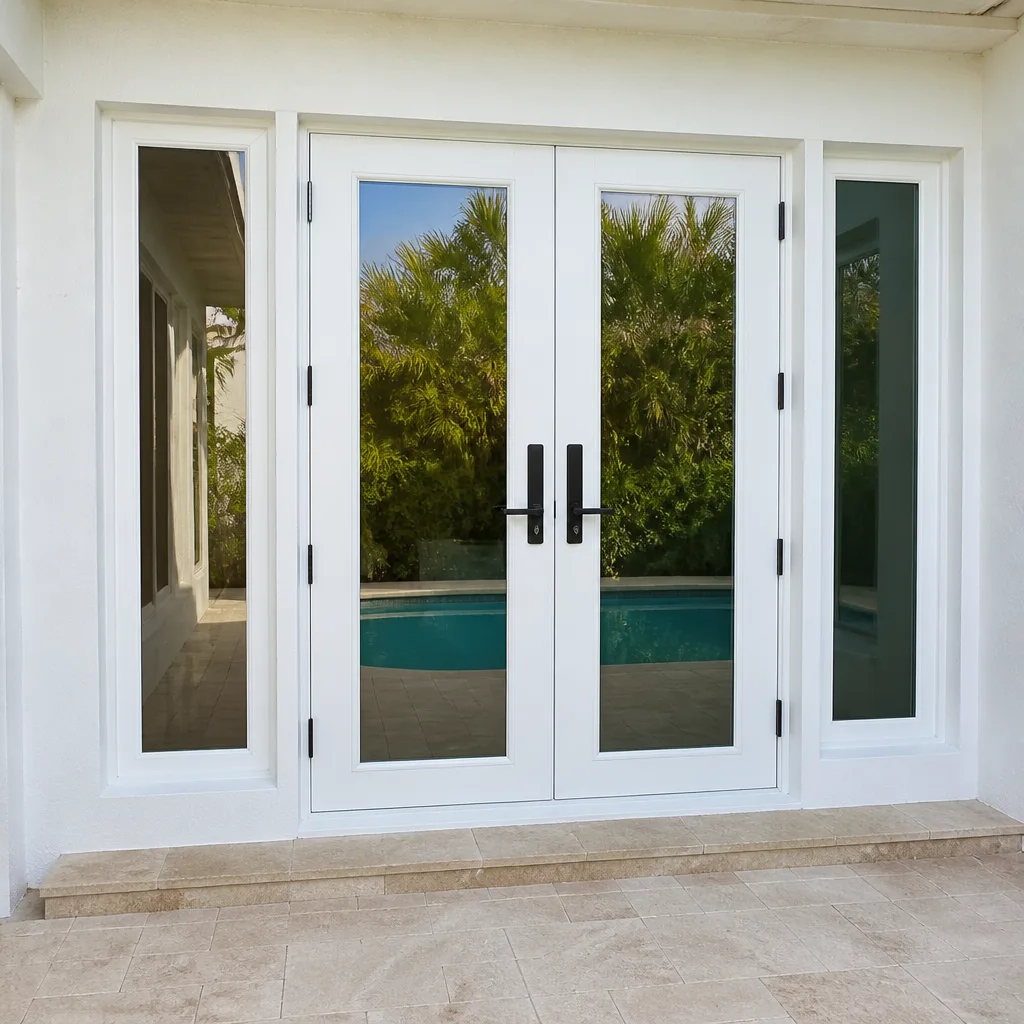 After
After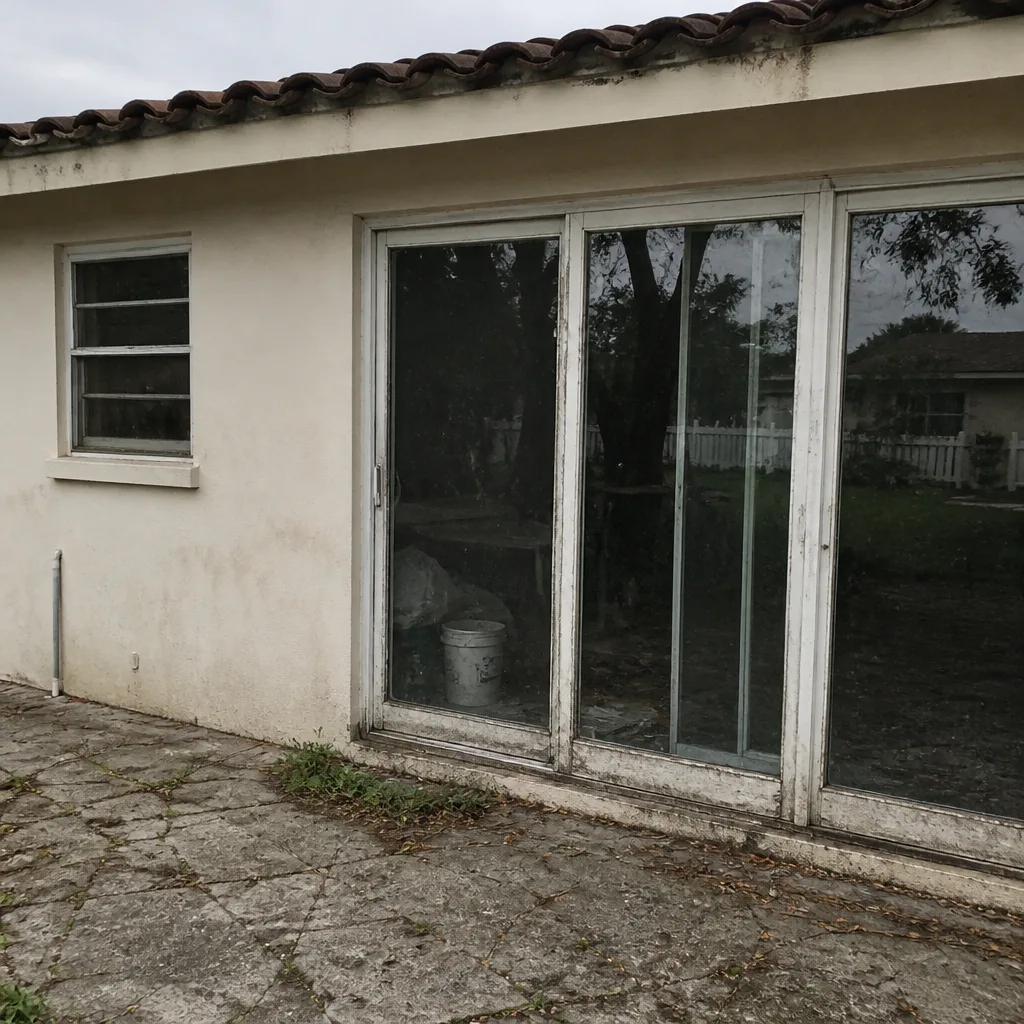 Before
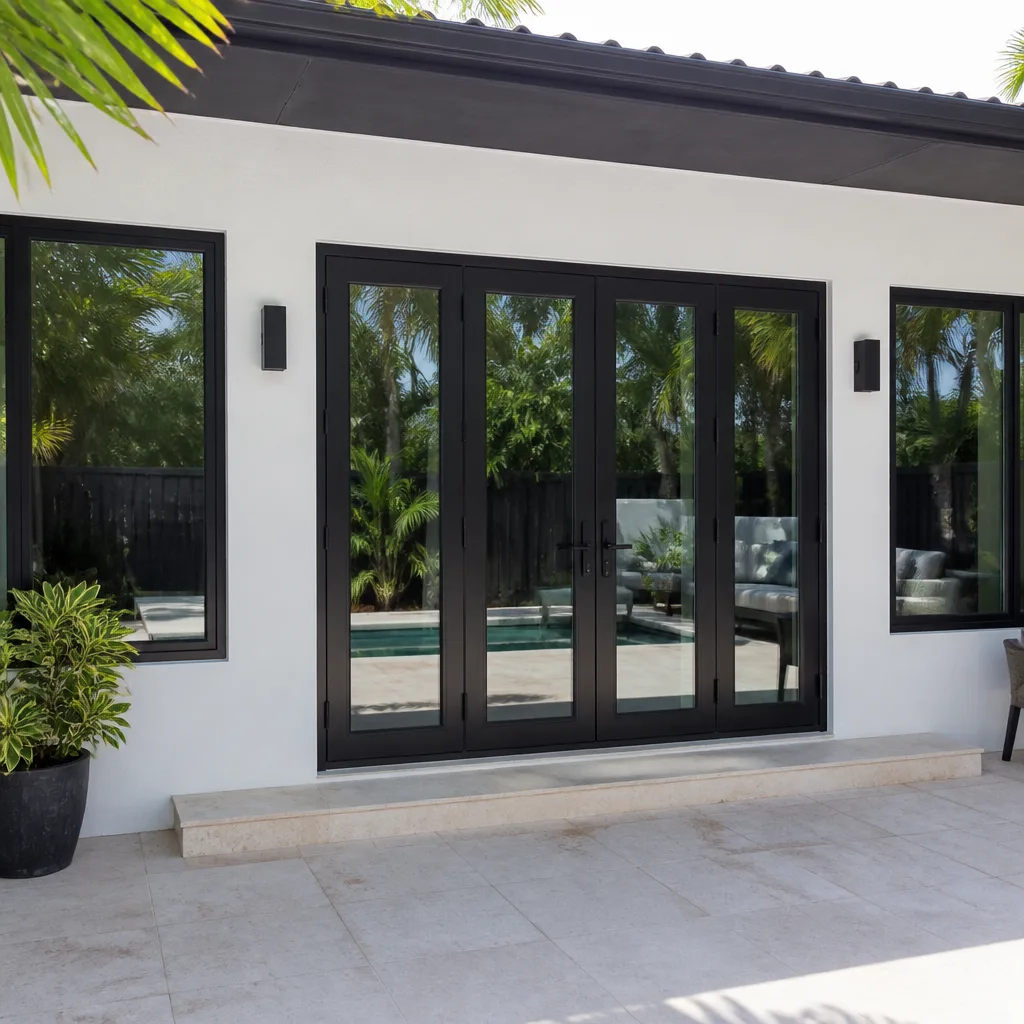 After
AfterWindow Energy Audits & Ratings in Miami, FL
A window energy audit in Miami is a structured inspection that measures how much heat, air, and humidity your windows are letting in or out – then assigns your windows a performance rating so you know exactly where your energy dollars are going. Most Miami homeowners who call us are paying $180 to $400 more per year in electricity than they should be, and their windows are usually the reason. If you want a straight answer about whether your windows are working or quietly draining your budget, call us at (863) 946-5039 – a live person picks up every time, day or night.
At Winslow Windows & Doors, Ed Winslow has been doing this since 2011. We’re locally owned, owner-operated, and we’ve audited and replaced windows from Brickell to Kendall to Hialeah. This page explains exactly what a window energy audit covers, what it costs in Miami’s market, and what the ratings mean for your home. If you’re already thinking about upgrades, our Energy-Efficient Windows in Miami page lays out the full replacement picture.
When You Need Window Energy Audits & Ratings
- Your electric bill climbed but your habits didn’t change. In Miami’s climate, a single poorly sealed window can force your AC to run 15-20% longer per cycle. If FPL bills are creeping up without explanation, your windows are the first place to look.
- You feel warm spots near windows during the day. South- and west-facing rooms in neighborhoods like Coconut Grove and Coral Gables get direct afternoon sun at brutal angles. If it feels noticeably warmer within three feet of a window, the glass or the frame seal is failing.
- Condensation forms on the inside of the glass. Miami’s humidity is aggressive. Interior condensation on double-pane glass usually means the inert gas fill between panes has leaked out and the insulating value has dropped sharply.
- Your windows predate 2005 and have never been rated. Florida’s building codes tightened significantly after the 2004-2005 hurricane seasons. Older windows – especially single-pane aluminum frames common in older Doral and Sweetwater homes – almost never meet current energy performance standards.
- You’re planning a sale or refinance and need documentation. Buyers and appraisers increasingly ask for window performance ratings, especially as Miami-Dade’s energy disclosure expectations have grown. An audit gives you a defensible number, not a guess.
- Your impact windows were installed but never independently verified. Impact-rated and energy-efficient are not the same thing. We regularly find homes in Aventura and Doral where the impact glass was properly certified but the frame seals degraded within a few years of installation, killing the SHGC and U-factor performance.
Our Window Energy Audits & Ratings Process
- Pre-audit documentation review. Before we arrive, we ask for whatever window records you have – original installation receipts, NFRC labels, permit records from Miami-Dade County’s building department. This saves time on site and lets us flag gaps before we even start. If your windows were permitted through Miami-Dade, we can usually pull the original product approvals ourselves.
- Frame and seal inspection. Our tech goes window by window, checking frame material, glazing condition, weatherstrip integrity, and the condition of the perimeter sealant at the rough opening. In Miami’s salt air – especially within a mile of Biscayne Bay or the Atlantic coast – aluminum frame oxidation and silicone seal breakdown happen faster than most homeowners expect. We document every deficiency with photos.
- Thermal performance measurement. We use a calibrated infrared thermometer and, where needed, an IR camera to identify temperature differentials across the glass surface. This tells us whether the insulating gas fill in double-pane units is intact and whether the low-E coating is still active. A window that looks fine visually can show a 12-15 degree surface temperature differential that the IR camera catches instantly.
- NFRC rating cross-check. Every energy-efficient window carries an NFRC label showing its U-factor, Solar Heat Gain Coefficient (SHGC), and Visible Transmittance (VT). In Miami, the Florida Building Code requires a maximum SHGC of 0.25 for most residential installations and a U-factor at or below 0.65. We compare your installed windows’ rated values against current code and against actual measured performance. Brands like ES Windows and ECO Window Systems publish detailed NFRC data sheets, and we use those as the benchmark when we’re assessing their products.
- Blower door coordination (when included). For a full-home energy audit, we coordinate with a certified energy auditor to run a blower door test, which depressurizes the house and measures total air infiltration. Windows account for a significant share of air leakage in most Miami homes, and the blower door helps us isolate exactly which units are contributing to the problem rather than guessing.
- Written report and rating summary. You get a written report, not a verbal rundown. The report assigns each window a condition rating (Good/Fair/Poor), notes any code compliance gaps, and includes a prioritized list of recommended actions – from resealing to full replacement. If replacement makes more sense than repair, we’ll tell you that plainly, along with honest pricing for both paths.
Window Energy Audits & Ratings Pricing in Miami
Window energy audit pricing in Miami typically runs between $150 and $450 for a standard single-family home, depending on the scope of the inspection and whether it’s a standalone window audit or part of a broader home energy assessment. Here’s how the cost typically breaks down:
| Service Scope | Typical Price Range (Miami Market) |
|---|---|
| Basic window inspection and condition report (up to 15 windows) | $150 – $225 |
| Full energy audit with NFRC rating verification and written report | $225 – $350 |
| Comprehensive audit with IR thermal imaging and blower door coordination | $325 – $450 |
| Re-inspection after repairs or replacement (verification audit) | $75 – $125 |
A few things affect where you land in those ranges. Larger homes – say, a five-bedroom house in Pinecrest with 28 windows versus a two-bedroom condo in Edgewater – take longer and cost more. Older homes with mismatched window types, previous DIY caulking jobs, or missing permit records require more time to document accurately. If you need a formal report for a real estate transaction or insurance purposes, there’s additional documentation time built into the higher end of the range.
If the audit identifies repairs, our $40 off any repair over $200 discount applies automatically – no coupon needed, no expiration date. Seniors and veterans get 10% off. And if you’ve already received a written estimate from another company, we offer a free second opinion so you can compare.
Call (863) 946-5039 for a free estimate on your specific home. We don’t charge a trip fee inside Miami-Dade County, and someone will pick up whenever you call.
What Window Energy Ratings Actually Mean
The ratings that show up on an NFRC label aren’t just numbers for the permit file. In Miami’s climate, they directly determine whether your AC is running efficiently or fighting your windows all summer.
U-Factor
This measures how quickly heat transfers through the window assembly. Lower is better. Florida’s code requires 0.65 or below for most residential windows. A high-performance product with Low-E & Argon Gas Glass from a manufacturer like ECO Window Systems or Mr-Glass can hit 0.30 or lower, which is a meaningful difference when your outdoor temperature is 94 degrees and the sun has been on your west-facing windows since 2 p.m.
Solar Heat Gain Coefficient (SHGC)
This is the number Miami homeowners should pay the most attention to. SHGC measures what fraction of solar radiation passes through the glass and becomes heat inside your home. Florida code sets the maximum at 0.25 for most residential locations. An older window with an SHGC of 0.60 is letting in more than twice the solar heat of a code-compliant replacement. In neighborhoods like Miami Beach or Coral Gables, where direct sun exposure is intense and sustained, the SHGC difference between an old window and a new one can account for hundreds of dollars per year in cooling costs.
Visible Transmittance (VT)
VT measures how much visible light comes through. Higher means more natural light. This isn’t a code-regulated number in Florida, but it matters for livability. Low-SHGC coatings can sometimes reduce natural light, so finding the right balance between solar rejection and daylight is part of what the audit helps you think through.
Air Leakage (AL)
Expressed in cubic feet per minute per square foot of window area, AL is sometimes called the “invisible energy drain.” Even a window with excellent glass performance can bleed conditioned air if the frame-to-wall interface is poorly sealed. This is why physical inspection – not just label-checking – matters. An audit that only looks at the NFRC label misses half the story.
Why Miami’s Climate Makes Window Ratings More Important Here Than Almost Anywhere
Miami sits in ASHRAE Climate Zone 1A – the hottest, most humid residential climate zone in the continental U.S. Your windows are under thermal stress roughly 11 months out of the year. That’s not hyperbole; it’s a function of average daily temperatures, solar angle, and ambient humidity levels that have no equivalent in Chicago or Denver.
The practical consequence: window seals fail faster here. Low-E coatings degrade faster when exposed to sustained UV load. Frame materials – particularly vinyl and composite – expand and contract daily through a wider range than they do in temperate climates. A window rated for a 20-year service life in Minnesota might perform reliably for 12-14 years in Miami before the seal integrity starts to slip.
We see this pattern regularly in homes across Kendall, Cutler Bay, and Homestead – windows with Insulated Laminated Glass that look perfectly fine from the street but have lost 30-40% of their rated insulating value because the dual-pane seal failed and the argon fill dissipated. The only way to catch it is to measure it. That’s what the audit does.
It’s also worth knowing that Miami-Dade County has its own product approval requirements layered on top of Florida statewide code – particularly around wind load ratings, which intersect with energy performance standards for impact-rated products. If your windows carry both an NOA (Notice of Acceptance) from Miami-Dade and an NFRC energy label, an audit verifies that both certifications still reflect actual performance, not just what was true on installation day.
Key Takeaways
- A window energy audit in Miami typically costs $150 to $450, depending on scope.
- Florida Building Code sets a maximum SHGC of 0.25 and a U-factor of 0.65 for most residential windows – older homes frequently don’t meet these standards.
- Miami’s Climate Zone 1A conditions accelerate seal degradation and coating wear faster than most other U.S. climates.
- An audit produces a written rating report, not just a verbal assessment – useful for home sales, insurance, and making repair-vs-replace decisions with real numbers.
- Impact-rated and energy-efficient are different certifications. An audit checks both where applicable.
- Winslow Windows & Doors is locally owned by Ed Winslow, state-licensed, insured, and has been serving Miami-area homeowners since 2011.
- Our 36500-Day Done Right Promise means if the work isn’t right, we make it right – no expiration, no asterisks.
FAQs – Window Energy Audits & Ratings in Miami
How much does a window energy audit cost in Miami?
A window energy audit in Miami costs between $150 and $450 for most single-family homes, depending on the number of windows, the depth of the inspection, and whether it includes IR thermal imaging or blower door coordination. Basic inspections with a written condition report run $150 to $225. A full audit with NFRC rating verification and detailed documentation typically falls in the $225 to $350 range. We don’t charge a trip fee inside Miami-Dade County, and estimates are free. Call (863) 946-5039 for a quote specific to your home’s size and situation.
What is a good SHGC rating for windows in Miami?
For Miami specifically, you want an SHGC of 0.25 or lower – that’s Florida Building Code’s maximum for most residential installations in Climate Zone 1A. The lower the number, the less solar heat the window admits, which directly reduces your cooling load. Some ENERGY STAR Replacement Windows from manufacturers like ES Windows or ECO Window Systems achieve SHGC ratings in the 0.19 to 0.23 range, which outperforms the code minimum by a meaningful margin. If your current windows have an SHGC above 0.40, you’re likely paying a measurable premium on your FPL bill every month.
Can a window energy audit help me qualify for FPL rebates or tax credits?
Yes, a documented audit with written ratings can support applications for both Florida Power & Light efficiency rebates and federal energy efficiency tax credits available for qualified window replacements. The IRS and most utility rebate programs require documentation of the window’s energy performance ratings – specifically U-factor and SHGC – which an audit provides in writing. We make sure the report format we deliver meets those documentation requirements. Call us at (863) 946-5039 if you have a specific rebate program in mind and we’ll confirm what documentation you’ll need.
How do I know if I need an audit or just a window replacement?
An audit tells you whether replacement is actually necessary – or whether resealing, reglazing, or frame repairs would restore acceptable performance at a fraction of the cost. If your windows are less than 12 years old, in good structural condition, and showing only minor seal degradation, repair is often the smarter path. If they’re 20-plus years old, single-pane, or showing failed dual-pane seals on multiple units, Energy-Efficient Windows services for replacement usually delivers a faster return on investment through energy savings. The audit gives you the data to make that call with confidence instead of guessing. We’ll never push replacement if repair makes more financial sense for your situation.
Written by Ed Winslow, Owner at Winslow Windows & Doors, serving Miami since 2011.
Six Reasons Homeowners Choose Winslow Windows & Doors
Impact systems engineered to design pressures up to +/-100, matched to your wind zone - your openings hold when the storm arrives.
Low-E insulated impact glass from our manufacturer lines commonly cuts monthly cooling bills 20-30%.
Laminated impact glass shuts out up to 40% of outside noise - traffic, neighbors, weather.
Monitoring services run $30-90 a month. Laminated impact glass resists forced entry around the clock, with no subscription.
Florida homeowners average around 25% savings on the windstorm portion of their policy after protecting every opening - some homes qualify for more.
A full impact package upgrades curb appeal, buyer confidence and appraised value in one project.