
Last updated August 27, 2026
Free in-home measure and quote - PGT, CGI and CWS impact lines compared on your actual openings, style by style
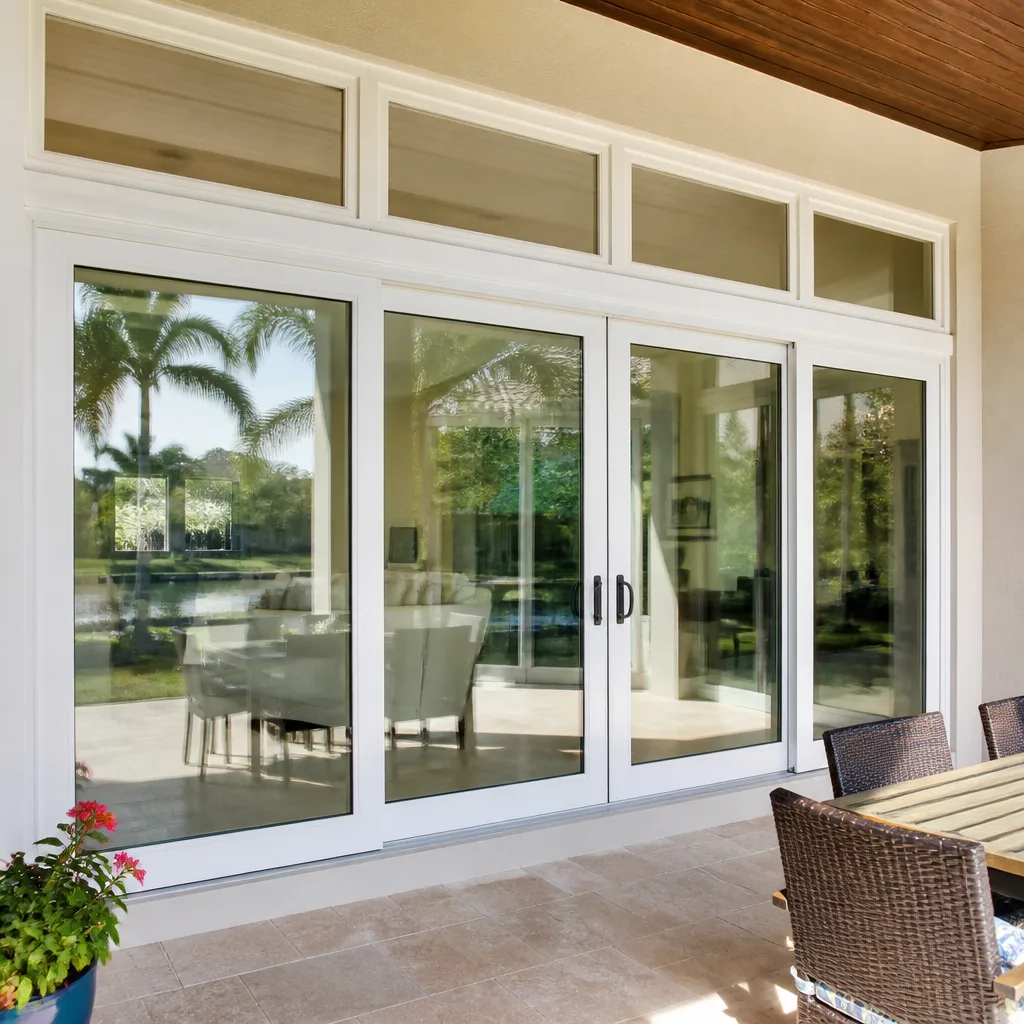
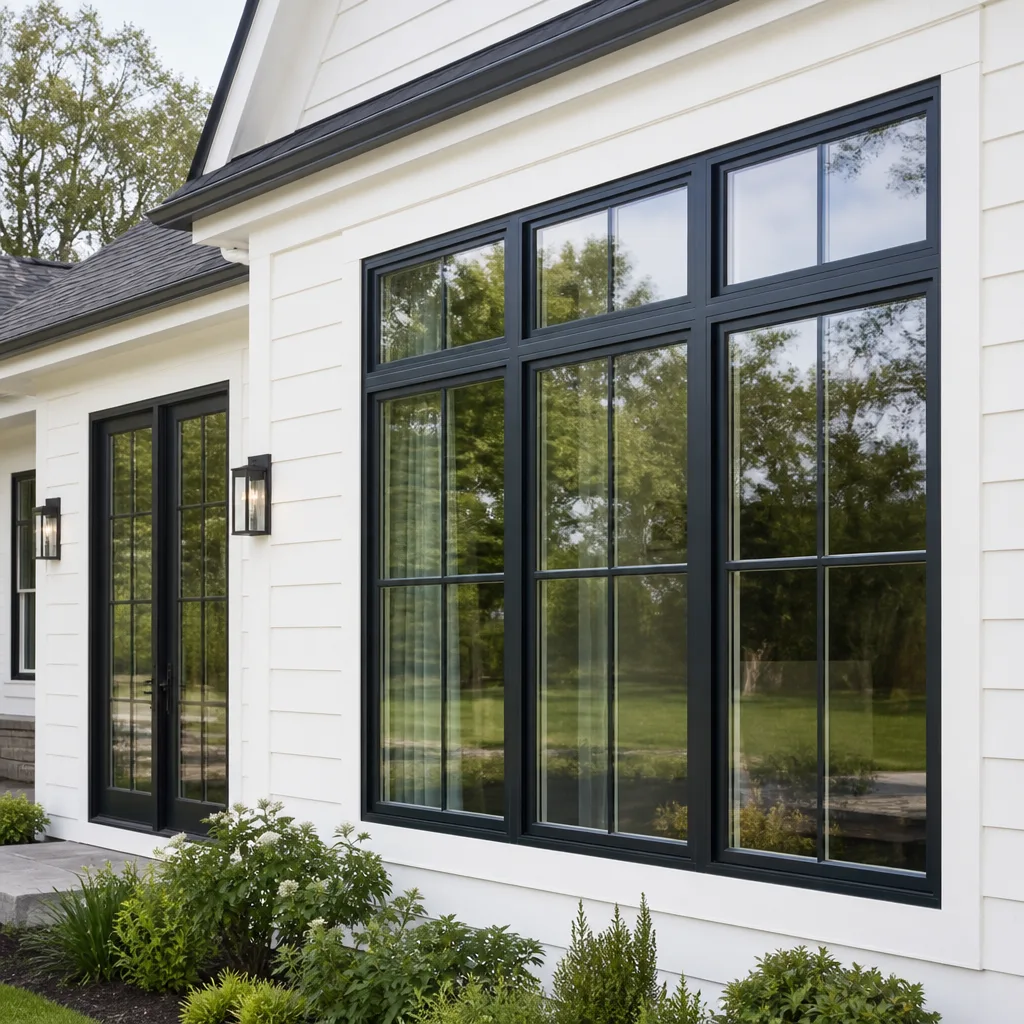
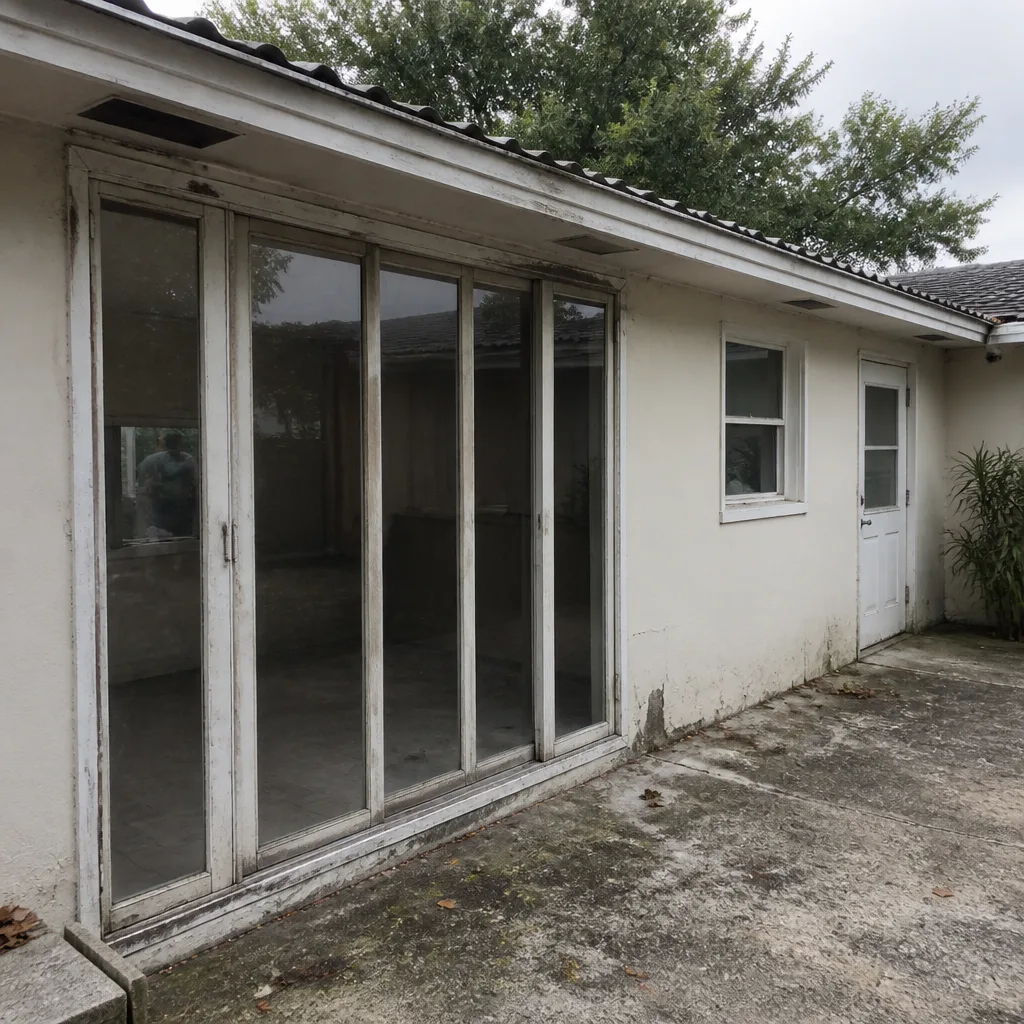 Before
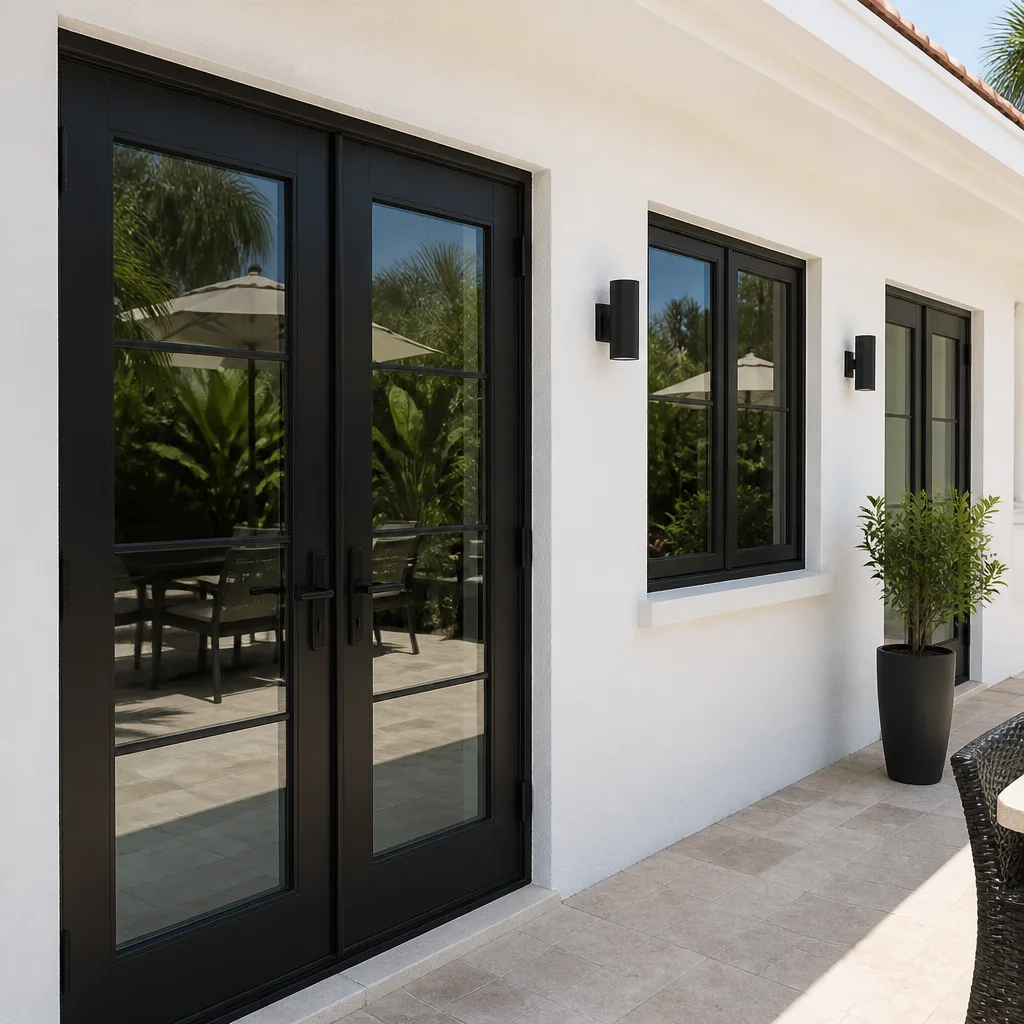 After
After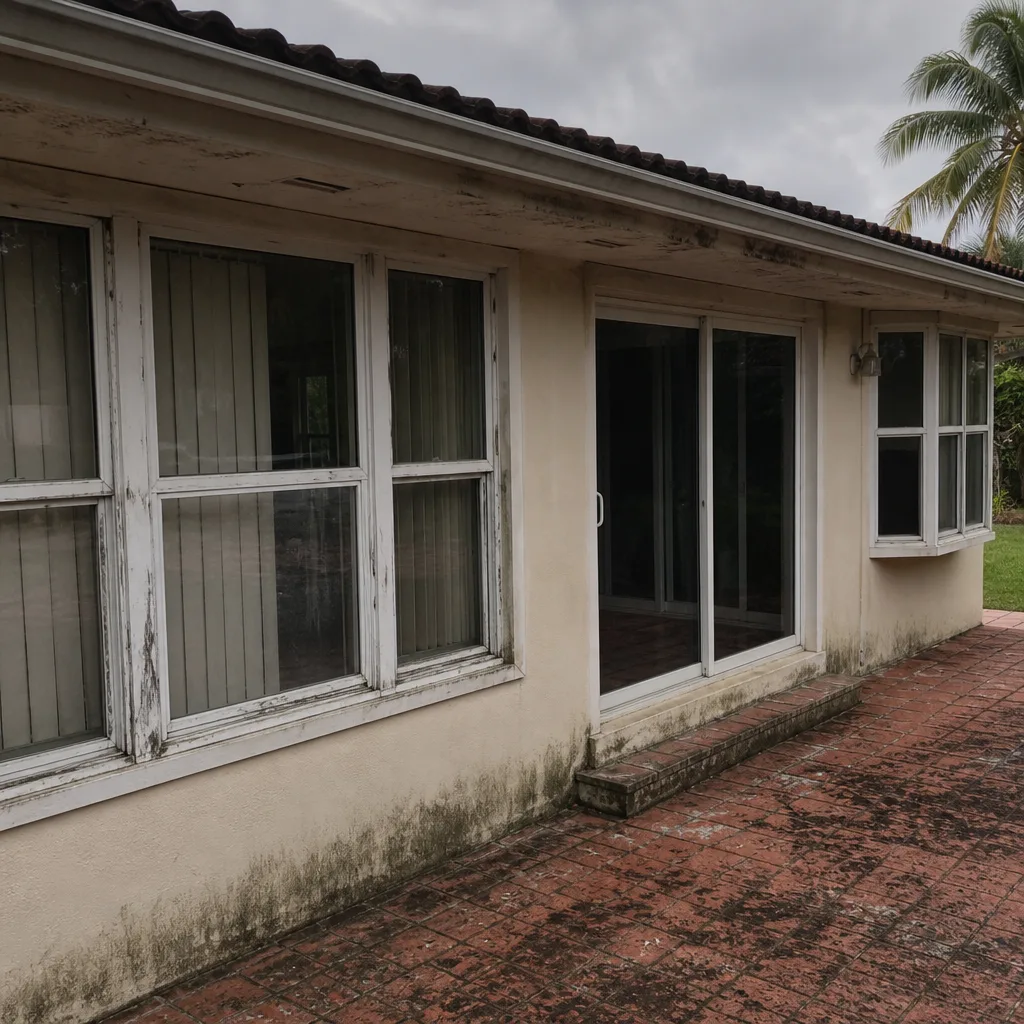 Before
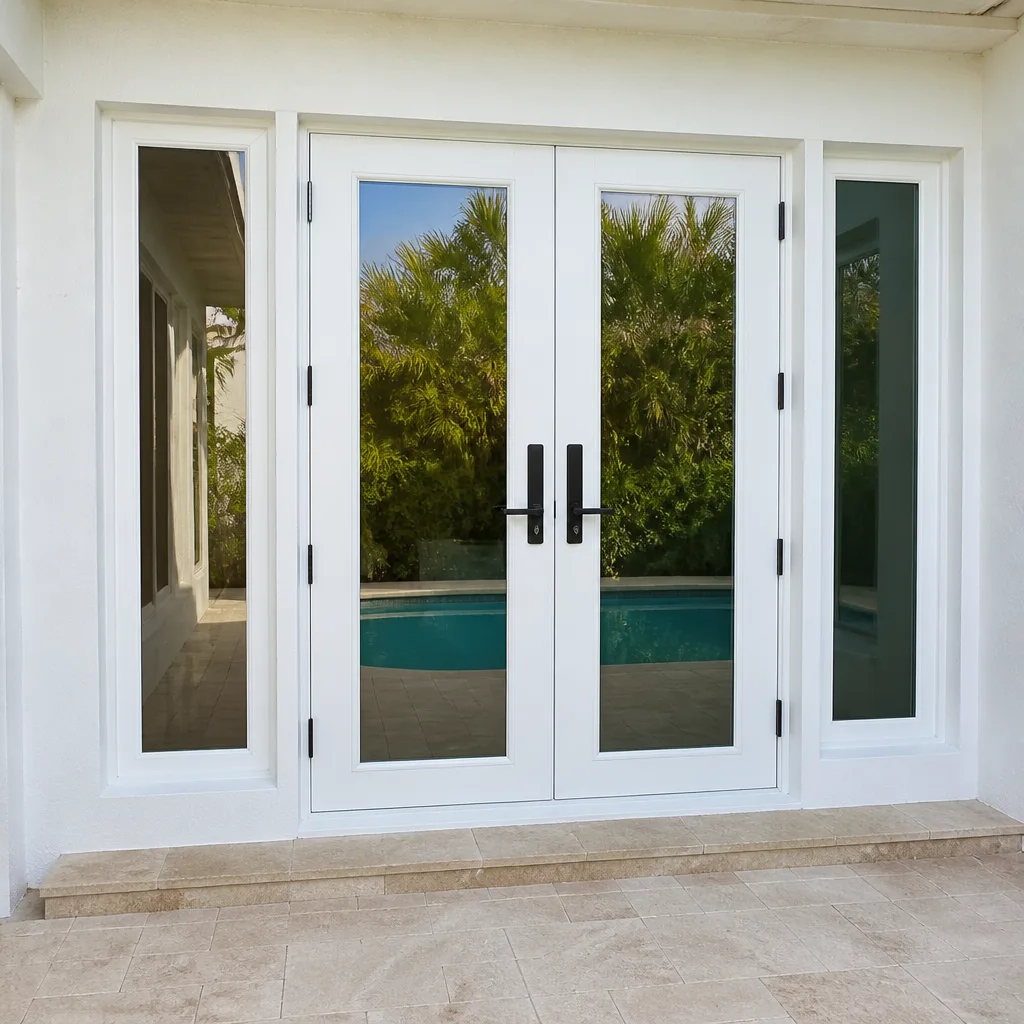 After
After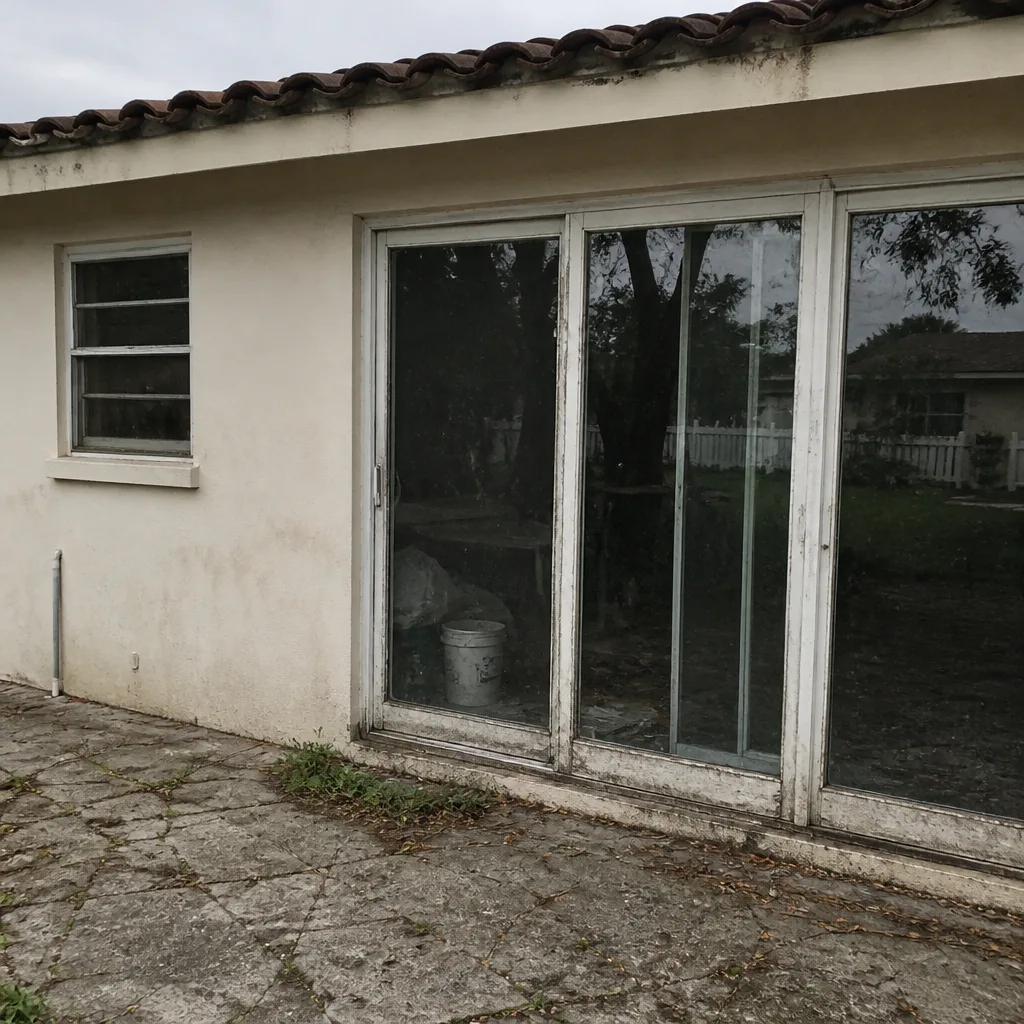 Before
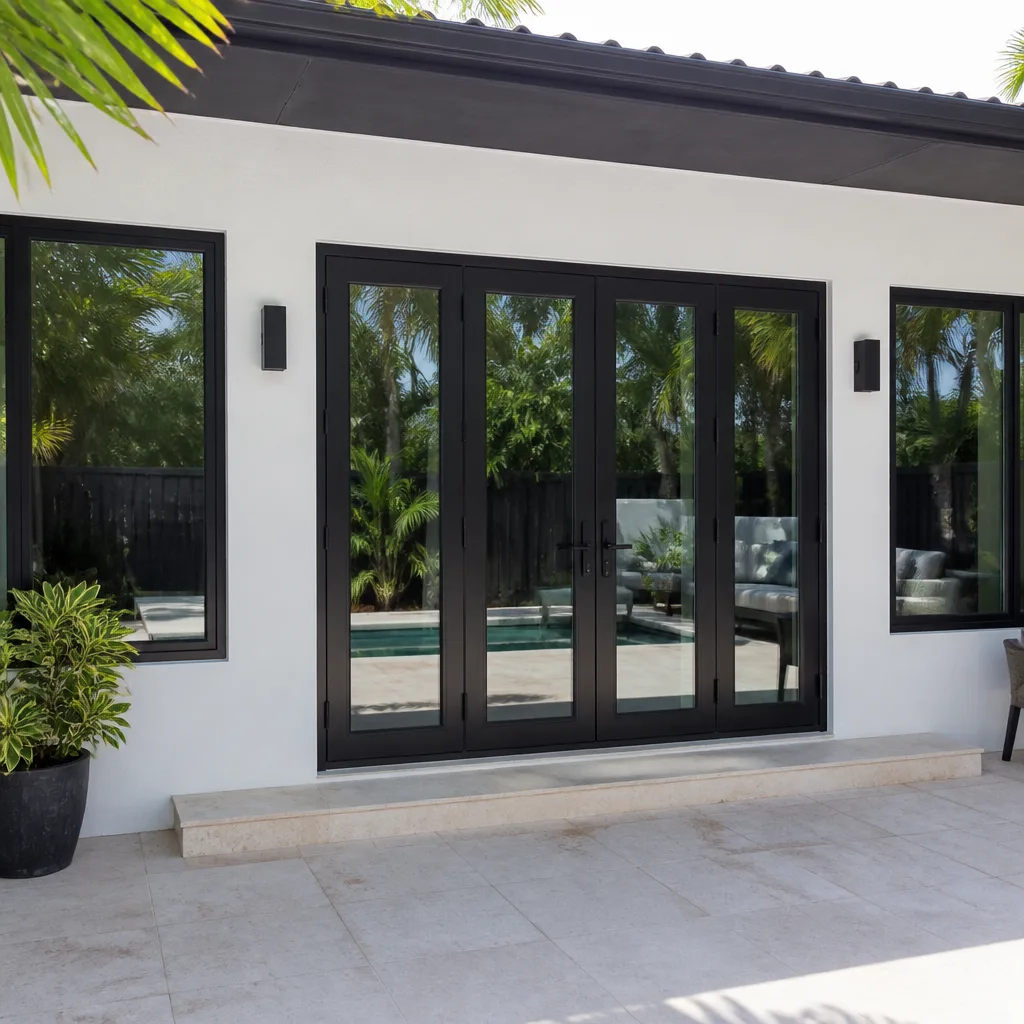 After
AfterThe Complete Guide to Windows & Doors in Miami
Miami’s building code for windows and doors is among the strictest in the country, not because regulators enjoy paperwork but because Hurricane Andrew in 1992 killed 65 people and proved the old standards were deadly. Homes built before that storm would not survive today’s code requirements, and many still don’t. Every product decision you make starts with that history. This guide walks through what actually matters for a Miami home: impact certification, Miami-Dade NOA approval, corrosion from salt air, insurance discounts, and which materials hold up when the next storm arrives.
Quick Answer
Choosing windows and doors in Miami comes down to one non-negotiable requirement: every opening in your home should carry a Miami-Dade County NOA (Notice of Acceptance) for large-missile impact, not just Florida statewide approval. Beyond code compliance, the right material choice depends on your distance from salt water, with aluminum and premium vinyl performing well across most of Miami’s varied geography. Expect to pay between $600 and $1,100 per opening for certified impact windows installed, and between $15,000 and $28,000 for a full home retrofit, depending on product line and structural conditions.
Table of Contents
- Why Miami’s Building Code Is Different From Everywhere Else
- Miami-Dade NOA Approval: The Standard That Actually Matters
- “Hurricane Rated” vs. Actual Large-Missile Certification
- Frame Materials: What Survives Miami’s Salt Air and Humidity
- Brand Selection: PGT, CGI, and Therma-Tru Lines Built for South Florida
- How Insurance Discounts Work With Miami-Dade Approved Products
- What Windows and Doors Actually Cost in Miami in 2026
- Common Mistakes to Avoid
- When to Call a Professional
- Frequently Asked Questions
- The Bottom Line
Why Miami’s Building Code Is Different From Everywhere Else
Miami sits inside the High Velocity Hurricane Zone (HVHZ), a designation shared only with Broward County in the continental United States. The rest of Florida operates under the Florida Building Code’s standard wind provisions, but Miami-Dade and Broward follow a stricter set of rules born directly from the aftermath of Hurricane Andrew. The storm shredded homes that met the code of 1992, and the failure analysis that followed reshaped how every window, door, and wall assembly in this region is tested and approved.
What does HVHZ mean in practical terms? Every exterior opening must resist wind pressures up to 175 mph in some exposure categories, and the entire assembly, including the frame, the glass, the anchoring system, and the connection to the wall, must be tested together. You cannot simply buy an impact-rated pane of glass and drop it into any frame. The product must carry a Miami-Dade NOA that covers the specific combination you plan to install.
Here is what that means for Miami homeowners:
- A window approved in Tampa or Orlando may not be legal in Miami because those regions are outside the HVHZ and face lower design pressures.
- The NOA number is tied to a specific manufacturer, model, size range, and installation method. Changing any of those variables may void the approval.
- Miami-Dade inspectors verify NOA compliance during permit inspections, so an unapproved product will fail inspection even if it looks identical to an approved one.
- Homes in coastal exposure zones east of US-1, along Biscayne Bay, and on the barrier islands face the highest design pressures and often need stronger anchoring than inland homes.
We’ve worked in neighborhoods from Coconut Grove to Kendall, and the differences in code application between a waterfront lot and an inland lot are significant. A door that passes easily in a Kendall development may need an entirely different anchoring system two miles east. This is why a local installer matters as much as the product label. For a deeper look at how these requirements shape product selection, see our guide on Impact Windows in Miami.
Miami-Dade NOA Approval: The Standard That Actually Matters
A Notice of Acceptance, abbreviated NOA, is a product approval issued by the Miami-Dade County Building Department after a manufacturer submits engineering calculations, test reports, and quality control documentation for review. Florida has a statewide approval system called the Florida Product Approval, and many homeowners assume a Florida approval is sufficient. In Miami-Dade and Broward, it is not. The NOA is a separate, additional layer of review specifically for the HVHZ.
The difference is not bureaucratic trivia. Products that hold Florida Product Approval may not have been tested to the higher pressure ratings or the specific large-missile impact standards required in the HVHZ. A manufacturer must voluntarily submit to Miami-Dade’s review to receive an NOA, and not all manufacturers bother because the process is expensive and time-consuming. Some brands that sell impact-rated products elsewhere in Florida do not appear in Miami at all for this reason.
How to Verify an NOA Before Signing Anything
- Ask for the NOA number from your contractor. Every approved product has one, and it should be printed on the quote or available on request.
- Go to the Miami-Dade County Building Department’s product approval search page and enter the NOA number. Confirm the manufacturer, product model, and status match what you are buying.
- Check the approval’s scope. The NOA lists the allowed sizes, glass types, and frame configurations. Your specific window size must fall within the approved range.
- Verify the installation method. The NOA includes required anchoring patterns and fastener types. Your contractor must install per those details, or the approval does not apply.
- Keep a copy of the NOA with your closing documents and insurance paperwork. You will need it for discounts and potential resale.
Winslow Windows & Doors installs only NOA-approved products in Miami, and we provide the NOA documentation for every job. Ed Winslow has spent 15 years working through the specifics of these approvals, and we will not cut a corner that puts your home at risk in the next storm.
“Hurricane Rated” vs. Actual Large-Missile Certification
Marketing language around impact protection is deliberately fuzzy. You will see windows advertised as “hurricane rated,” “storm ready,” “impact resistant,” or “wind resistant.” None of those phrases are regulated. A manufacturer can use them for a product that has never passed an impact test and cannot legally be installed in Miami. What actually matters is a specific test protocol: the large-missile impact test.
The large-missile test fires a 9-pound 2×4 lumber missile at the product at 34 mph, followed by 9,000 cycles of positive and negative wind pressure. The product must survive the impact and the pressure cycling without a tear in the interlayer longer than 5 inches or an opening wider than 1/16 inch. The test is designed to simulate what happens when a hurricane picks up a piece of roof framing and hurls it into your window. If the glass shatters but the interlayer holds and the frame stays anchored, the window has done its job: your building envelope stays sealed, internal pressure does not build, and your roof is far less likely to lift off.
The small-missile test, in contrast, fires steel balls at the product to simulate gravel and small debris. Some products pass only the small-missile test and are marketed as “impact rated,” but they are not approved for openings above 30 feet from the ground in the HVHZ. For a single-family home in Miami, you need large-missile certification. Period.
Here is how to cut through the marketing language:
- Look for the words “large-missile impact” on the NOA or product datasheet. If the language says only “impact rated” without specifying large-missile, ask for the test report.
- Confirm the product passed ASTM E1996 and ASTM E1886, the two testing standards recognized in the HVHZ.
- Remember that the interlayer, typically a PVB or SentryGlas laminate, is what holds the glass together after impact. Cheaper products may use thinner interlayers that still pass the test but leave less margin for error.
- Ask whether the product was tested as a complete assembly, including the frame and anchoring, or just as glass. The NOA requires full assembly testing.
This distinction is the single most common source of confusion we encounter on estimates in Miami. Homeowners show us a quote with “impact resistant” windows and are surprised to learn the product would fail a Miami-Dade inspection. For more detail on how these products perform in practice, read our page on Window Installation in Miami.
Frame Materials: What Survives Miami’s Salt Air and Humidity
Miami’s climate punishes different materials at different rates. The salt air that rolls off the Atlantic and Biscayne Bay accelerates corrosion on exposed metal. The humidity that hovers near 90% for months breeds condensation and mold on surfaces that trap moisture. The intense UV from a subtropical sun fades and degrades many plastics. Choosing the right frame material is not about consumer preference, it is about where in Miami your home sits and how close it is to the water.
Aluminum
Aluminum has been the default window frame in South Florida for decades, and for good reason. It is strong, dimensionally stable in heat, and accepts powder coating well. Modern architectural-grade aluminum, particularly the 6000-series alloys used by PGT and CGI, resists corrosion well when properly coated. But aluminum is not immune to salt air. In waterfront locations, we’ve seen uncoated or poorly coated aluminum frames develop pitting within five to seven years, especially in shaded areas where salt deposits sit and never rinse away. Anodized or high-quality powder-coated aluminum holds up far better. Aluminum also conducts heat rapidly, so without a thermal break it underperforms on energy efficiency. The better South Florida systems now include thermal breaks, and that matters when your AC runs nine months of the year.
Vinyl
Premium vinyl has carved out a growing share of the Miami market over the last decade, and the material deserves a more nuanced reputation than it sometimes gets. Vinyl does not corrode, period. Salt air does not touch it. It also insulates better than aluminum and performs well on energy ratings. The weakness of vinyl has historically been structural: it expands and contracts with temperature, and in Miami’s heat, large vinyl windows can sag if the internal reinforcements are undersized. The fix is multi-chambered extrusions with steel or aluminum reinforcement inside. Cheap vinyl from big-box retailers fails here; engineered vinyl from brands like PGT’s SpectraGuard line holds up. For inland Miami neighborhoods like Westchester, Doral, and Kendall, premium vinyl is often the best balance of cost, energy performance, and durability.
Fiberglass
Fiberglass frames combine the thermal performance of vinyl with the strength of aluminum, but they cost more and have a smaller footprint in Miami. Fiberglass does not rot, corrode, or warp significantly, and it handles salt air as well as vinyl. The limitation is availability: fewer manufacturers produce fiberglass windows with Miami-Dade NOA approval, and the product lines are narrower. For a homeowner with a specific architectural style and a budget that allows it, fiberglass is a genuinely strong option. For most Miami homes, premium aluminum and engineered vinyl are the two practical choices.
A Quick Material Decision Guide
- Within 500 yards of salt water: high-quality powder-coated aluminum or marine-grade vinyl, never uncoated aluminum, and avoid low-cost vinyl.
- Inland Miami, from Doral to Palmetto Bay: premium vinyl with reinforced chambers or thermal-broken aluminum, both excellent choices.
- Historic or architecturally sensitive homes: aluminum with custom finishes, since it matches the original sightlines better than vinyl.
- Homes with large expanses of glass or very wide openings: aluminum for strength, since wide spans in vinyl require heavier internal reinforcement.
Humidity is the second threat Miami homeowners face, and it affects any frame material. Poorly installed windows create condensation planes where moisture collects, and that leads to mildew on interior surfaces and hidden rot in wood framing. The best materials fail if the installation is sloppy, which is why the labour warranty and installer reputation carry as much weight as the product spec.
Brand Selection: PGT, CGI, and Therma-Tru Lines Built for South Florida
Three brands dominate the higher end of the Miami window and door market, and they dominate for a reason: their product lines are engineered specifically for the HVHZ and carry extensive Miami-Dade NOAs. You will find these products on homes from the Venetian Islands to Pinecrest.
PGT Custom Windows + Doors, headquartered in Venice, Florida, is the volume leader in Florida impact products. The brand’s WinGuard line is the best-known impact window series in the state, and PGT’s SpectraGuard vinyl line offers large-missile certification without the cost of aluminum. For Miami homeowners, PGT products are notable for their breadth: nearly every size, configuration, and glass package you could want is available with an NOA. PGT also competes hard on price without sacrificing the testing credentials, which makes it the most common starting point for a full-home retrofit.
CGI, also a Florida company, positions its products at the premium end. CGI’s Sentinel and Estate lines are commercial-grade aluminum windows and doors that prioritize strength and corrosion resistance, with heavy powder coating and marine-grade hardware. On waterfront properties in Key Biscayne, Coconut Grove, and along the bay, CGI is disproportionately represented because the products hold up visibly better after years of salt exposure. CGI windows also carry narrower sightlines than many competitors, which matters to homeowners who want modern aesthetics without sacrificing impact protection.
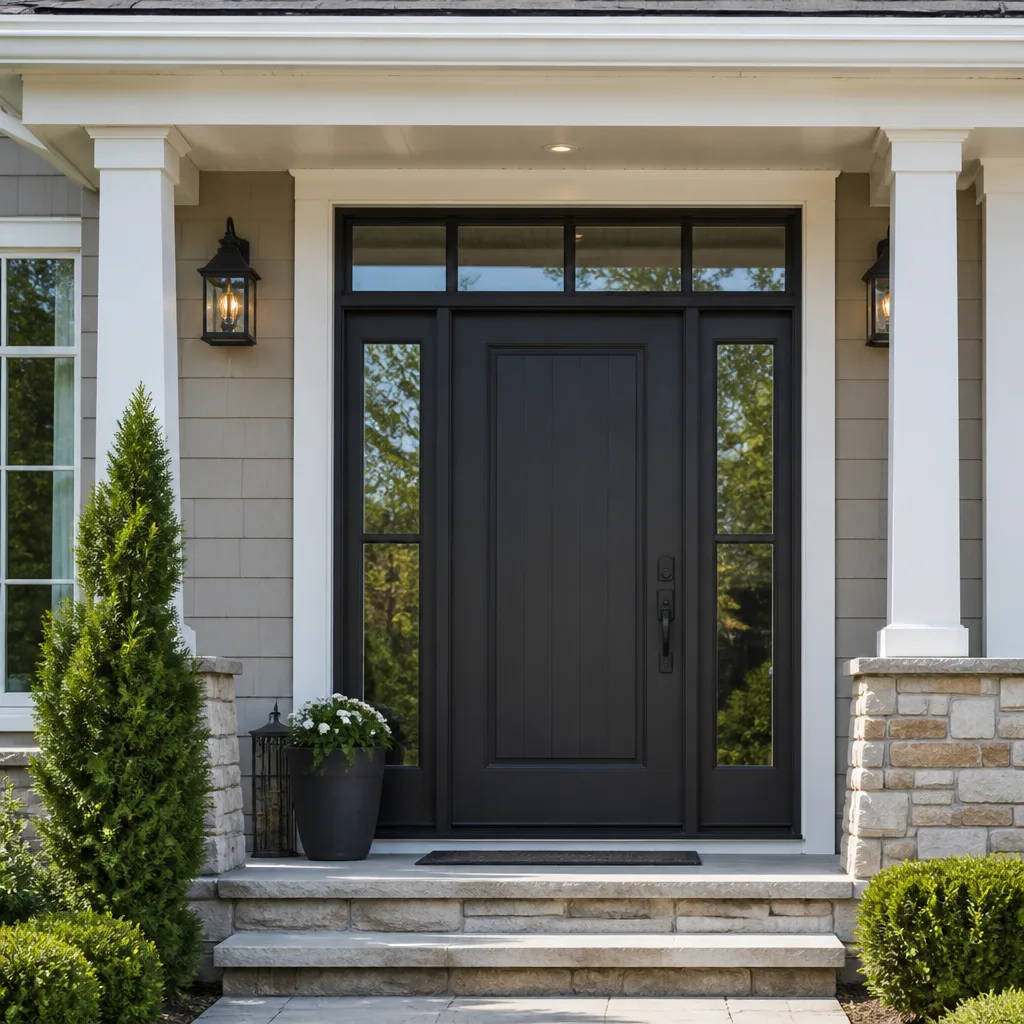
Therma-Tru is the brand that matters on the door side. While PGT and CGI make windows and sliding glass doors, Therma-Tru dominates the entry door category, including fiberglass door systems that carry Miami-Dade NOA approval. A Therma-Tru Fiber-Classic door looks like wood, insulates far better than wood, does not rot in Miami’s humidity, and is available with impact-rated glass and NOA-compliant hardware. For front doors on Miami homes, Therma-Tru solves the persistent problem of wooden doors swelling in summer humidity and decaying from daily sun and rain.
Winslow Windows & Doors installs all three brands, along with several other authorized product lines. We do not push a single brand because the right product depends on your home’s exposure, age, and architectural style, and Ed Winslow’s job is to give you an honest recommendation, not to move inventory. For a closer look at the full replacement process, see Window Replacement in Miami.
How Insurance Discounts Work With Miami-Dade Approved Products
Florida law requires insurers to offer discounts on the windstorm portion of your homeowners premium for homes with approved impact protection. The discount applies to products that carry a Miami-Dade NOA or Florida Product Approval, and it covers both impact windows and doors and approved shutter systems. How much you save depends on your insurer, your home’s location, and how much of the home’s openings are protected.
The discount structure typically works in two tiers. A home with partial protection, such as impact windows on most openings but not all, receives a smaller discount. A home with complete protection, meaning every glazed opening is either impact-rated or protected by approved shutters, receives the maximum discount, sometimes 30% or more off the windstorm premium. The windstorm portion can be the largest component of a Miami homeowners policy, so a full retrofit can save real money every year.
What your carrier will require:
- A copy of the NOA for each product installed. The carrier will verify the approval number and product model against the Miami-Dade database.
- A signed installation certification from a licensed contractor confirming the products were installed per the NOA’s anchoring requirements.
- Photographic or inspection documentation for newer policies. Some carriers now require a wind mitigation inspection by a certified inspector after installation.
- Notification of any changes to openings, including new doors, sliding glass doors, or garage doors, since those affect your protection coverage.
One point that surprises many homeowners: the insurance discount is based on the product’s NOA status, not on how heavy or sturdy the window feels. A premium-looking window without an NOA earns no discount, while a modest-looking NOA-approved window earns the full credit. The documentation is the product, in the eyes of the insurer. We provide the NOA paperwork and installation certification for every job, because without those documents the discount does not exist.
What Windows and Doors Actually Cost in Miami in 2026
Window and door pricing in Miami runs higher than national averages for two structural reasons: the products themselves are more expensive to manufacture to HVHZ standards, and the installation is more complex because of anchoring requirements and concrete-block construction. Here are the ranges we see across the Miami market for quality NOA-approved products, fully installed with permits:
- Single impact window replacement: $600 to $1,100 per opening, depending on size, frame material, and glass package. Small aluminum windows start at the lower end; large vinyl or premium aluminum windows run toward the upper end.
- Full home window retrofit, 1,500 to 2,500 square feet: $15,000 to $28,000, including all windows, permits, and installation. Multi-story homes and homes with custom sizes run higher.
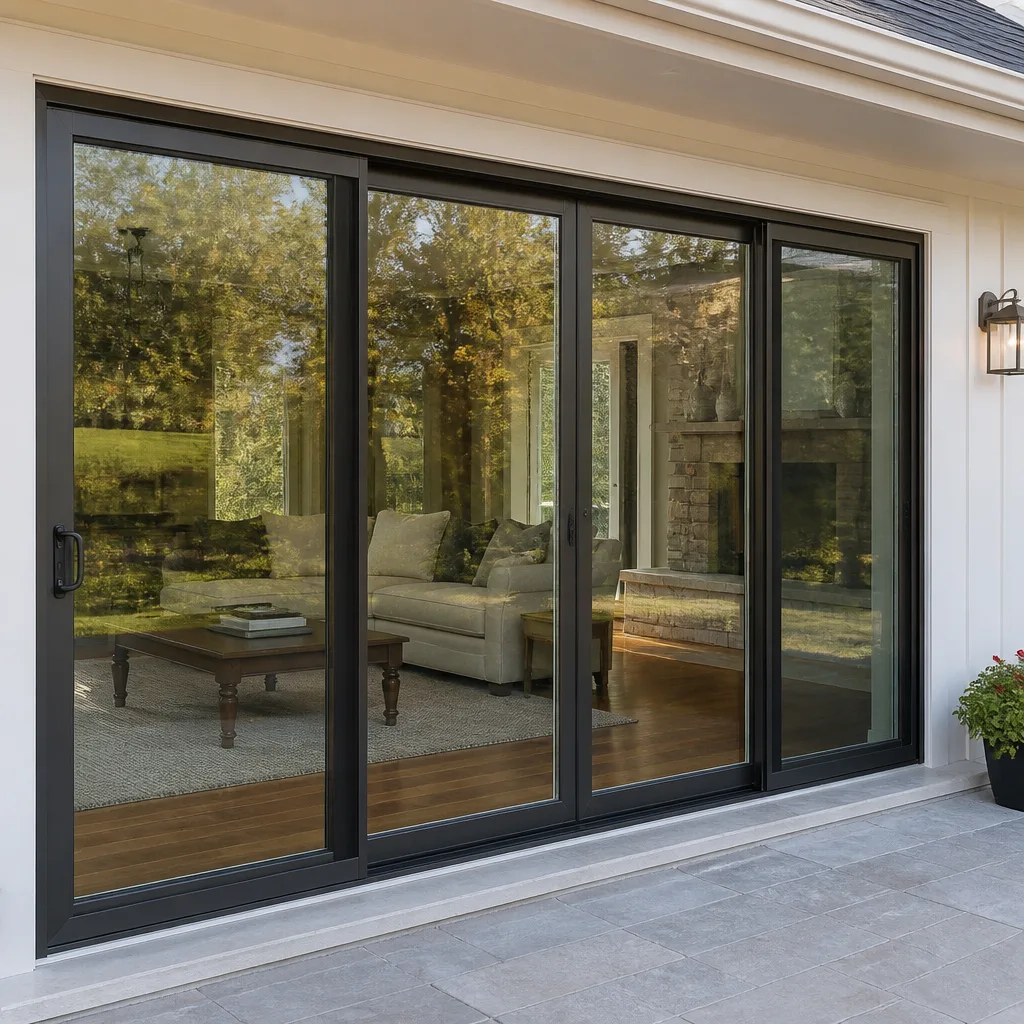
- Impact sliding glass door replacement: $2,500 to $6,000 for a standard 2 or 3-panel door, depending on size and brand. Larger multi-slide doors on luxury homes run $8,000 to $20,000.
- Impact entry door replacement: $1,800 to $4,500 installed, including frame, hardware, and NOA-compliant anchoring. Therma-Tru fiberglass doors occupy the middle and upper end of this range.
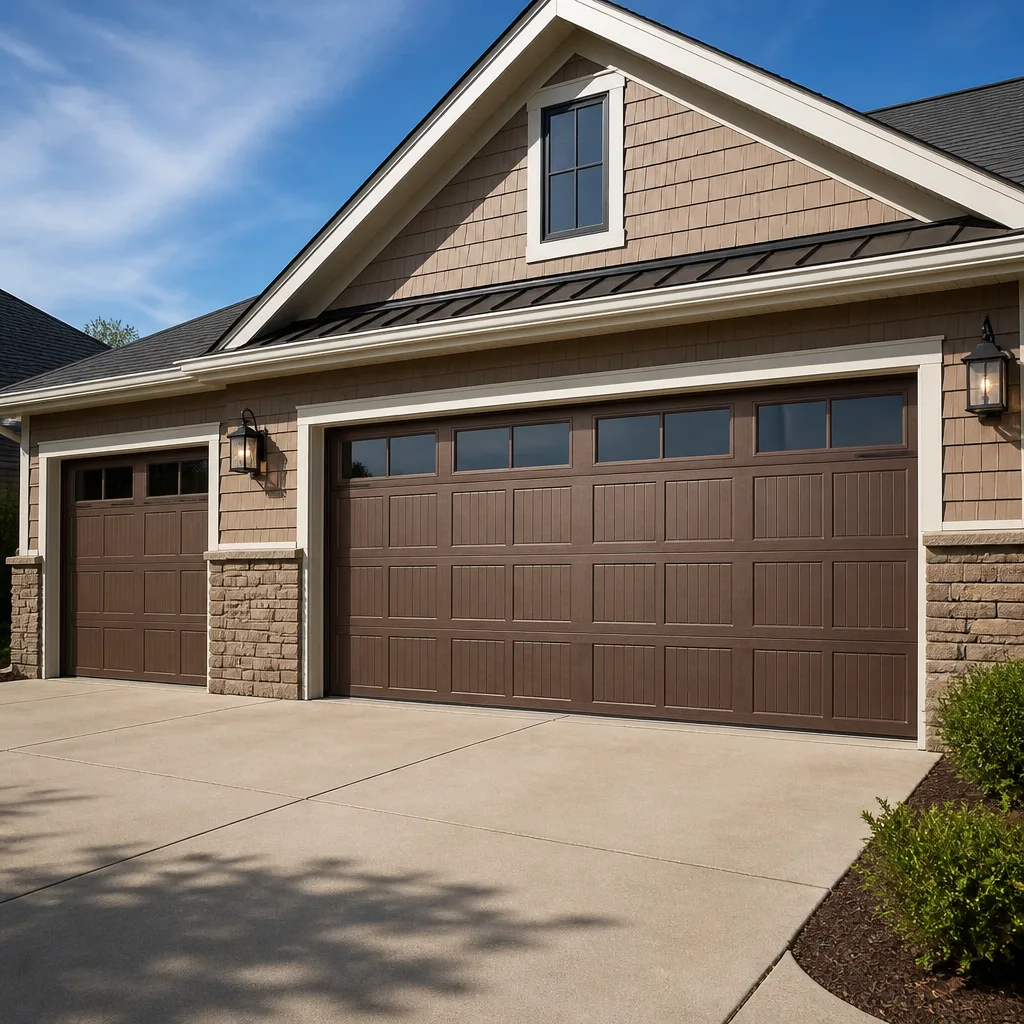
- Impact garage door: $2,000 to $5,500, depending on size, reinforcement, and track system. Garage doors require their own NOA approval and are often overlooked in retrofits.
These are installed prices including labor, permits, and disposal. The line-item breakdown matters because Miami permits are not optional: replacing windows and doors in the HVHZ requires a building permit, and the inspector will verify NOA compliance and anchoring. Any quote that leaves out the permit line is either incomplete or planning to skip the inspection, and neither is acceptable.
What Changes the Price
- Frame material: aluminum runs slightly less than premium vinyl for standard sizes, but wide or tall vinyl with heavy reinforcement can match or exceed aluminum.
- Glass package: low-E coatings, tinted glass, and laminated assemblies add cost. Impact-rated low-E glass costs roughly 15 to 25 percent more than standard impact glass.
- Structural conditions: rotted wood buck frames, oversized openings, or non-standard masonry details add labor time and material cost.
- Second-story access: homes with upper windows that require scaffolding or lift access cost more for installation, sometimes 10 to 15 percent on the affected openings.
- Removal and disposal of old units, especially aluminum single-pane frames that weigh heavily and require careful handling.
Winslow Windows & Doors provides line-item written quotes with no hidden costs, and our standing offers include a $40 discount on any repair over $200 and a 10% discount for seniors and veterans. Ed Winslow will walk you through the numbers before you sign anything, because a quote you understand is a quote you trust. For more on the replacement timeline and process, see our Window Replacement in Miami guide, or start with the Winslow Windows & Doors home page for a full overview of our services.
Common Mistakes to Avoid
- Buying Florida-approved products for a Miami home. Florida Product Approval does not automatically meet Miami-Dade requirements. Confirm the NOA number before signing, or your inspection will fail and your product will have to come out.
- Assuming all impact glass is visible-proof. Large-missile certification only means the interlayer holds after impact. It does not mean the glass remains clear or that the window remains operable. Expect cosmetic damage after a severe storm.
- Replacing windows but leaving an unprotected entry door or garage door. Your building envelope is only as strong as its weakest opening. One unprotected door can negate the protection of every impact window around it.
- Choosing the cheapest quote without checking NOA coverage and anchoring details. A low price often reflects unapproved products, skipped permits, or incomplete anchoring. In the next hurricane, that savings becomes a liability.
- Overlooking the wind mitigation inspection for insurance discounts. Installing NOA-approved products is not enough. Your carrier may require a certified wind mitigation inspection to apply the discount, so schedule it as part of the project closeout.
- Waiting until hurricane season to start the project. Product lead times in Miami stretch during summer, and installers book out. Start in the fall or winter if you want the work done before the next storm season.
- DIYing impact window installation. NOA compliance requires specific anchoring patterns, fastener types, and torque values that almost no homeowner gets right. A failed inspection means redoing the work, and a failed window in a storm is worse.
When to Call a Professional
Any window or door replacement in Miami requires a licensed contractor, because permits and NOA-compliant installation are not optional. But beyond the legal requirement, certain situations demand an experienced local installer. If your home has concrete-block construction, the anchoring details differ from wood-framed homes, and mistakes here compromise both code compliance and storm performance. If your home sits in a high-wind exposure zone along the bay or ocean, the design pressures are extreme, and the margin for error is small. If you are planning a full-home retrofit or replacing load-bearing openings, the structural coordination with your existing framing requires a contractor who has done it many times before. And if you are buying a home that has impact products already installed, a professional inspection will tell you whether those products actually carry current NOAs or were installed correctly in the first place.
Winslow Windows & Doors offers free estimates in Miami, call (863) 946-5039 and a live person will answer, day or night. Ed Winslow has been serving Miami since 2011, and his name is on every job we do.
Frequently Asked Questions
Yes, you do. Miami-Dade and Broward counties operate under the High Velocity Hurricane Zone requirements, which are stricter than the statewide Florida Product Approval system. A product with only Florida approval may not be legal for installation in Miami, and the building inspector will reject it. Always confirm the NOA number before purchasing any window or door for a Miami home.
Installed impact windows in Miami typically cost between $600 and $1,100 per opening for standard sizes, including permits and NOA-compliant installation. Larger openings, premium brands like CGI, and high-end glass packages push the price higher. Call (863) 946-5039 for an exact quote, our estimates are free.
Yes, Florida law requires insurers to offer windstorm premium discounts for approved impact protection, and a full-home retrofit can cut the windstorm portion of your premium by up to 30% or more. You will need the NOA documentation and installation certification to claim the discount, and some carriers also require a wind mitigation inspection.
Large-missile certification means the product passed a test firing a 9-pound 2×4 at 34 mph, followed by 9,000 wind pressure cycles. Small-missile certification uses steel balls and is only valid for openings above 30 feet. For a single-family home in Miami, large-missile certification is the minimum requirement.
High-quality powder-coated aluminum or engineered vinyl perform best on waterfront homes because both resist salt air corrosion far better than uncoated aluminum or cheap vinyl. Aluminum offers more strength for large openings, while premium vinyl offers better energy efficiency. Call (863) 946-5039 and we will give you a straight recommendation for your specific location.
You can, but you should not. Miami-Dade NOA approvals include specific anchoring patterns and fastener requirements that almost no homeowner executes correctly, and a failed inspection means redoing the work. More importantly, an incorrectly installed impact window may fail when you need it most. Hire a licensed contractor with NOA experience.
The Bottom Line
Windows and doors in Miami are not a commodity purchase. The climate, the building code, and the insurance system all demand products and installations that meet a higher standard than anywhere else in the country except Broward County. Start with NOA approval, verify it before you sign, choose materials based on your distance from salt water, and insist on documentation at every stage. The upfront cost of doing it right is real, but the cost of doing it wrong shows up in failed inspections, denied insurance claims, and a home that cannot protect itself when the next storm comes. For Miami homeowners who want one local company that handles the whole job properly, Impact Windows in Miami covers the full product story, and Window Installation in Miami explains what a proper installation looks like. The one down the road, Ed Winslow, answers the phone himself.
Written by Ed Winslow, Owner at Winslow Windows & Doors, serving Miami since 2011.
Six Reasons Homeowners Choose Winslow Windows & Doors
Impact systems engineered to design pressures up to +/-100, matched to your wind zone - your openings hold when the storm arrives.
Low-E insulated impact glass from our manufacturer lines commonly cuts monthly cooling bills 20-30%.
Laminated impact glass shuts out up to 40% of outside noise - traffic, neighbors, weather.
Monitoring services run $30-90 a month. Laminated impact glass resists forced entry around the clock, with no subscription.
Florida homeowners average around 25% savings on the windstorm portion of their policy after protecting every opening - some homes qualify for more.
A full impact package upgrades curb appeal, buyer confidence and appraised value in one project.