
Last updated August 27, 2026
Free in-home measure and quote - PGT, CGI and CWS impact lines compared on your actual openings, style by style
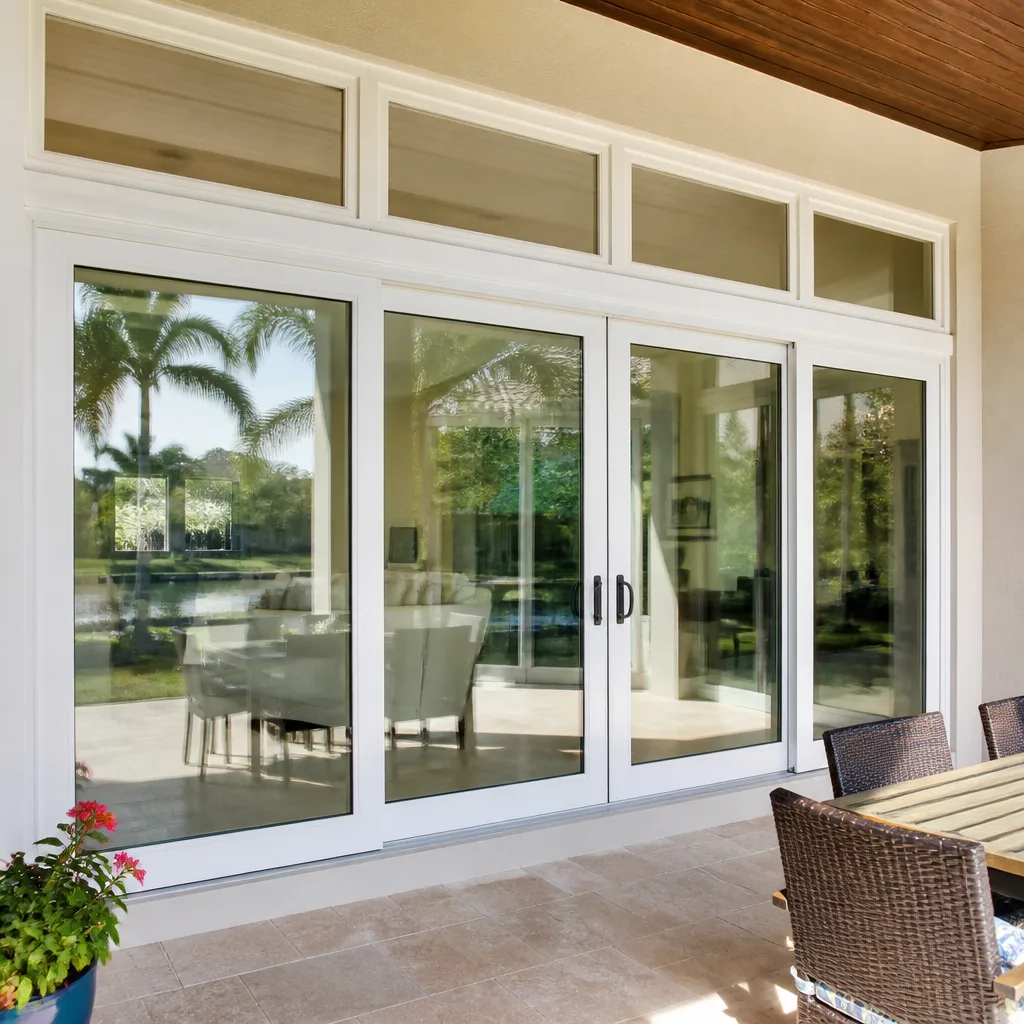
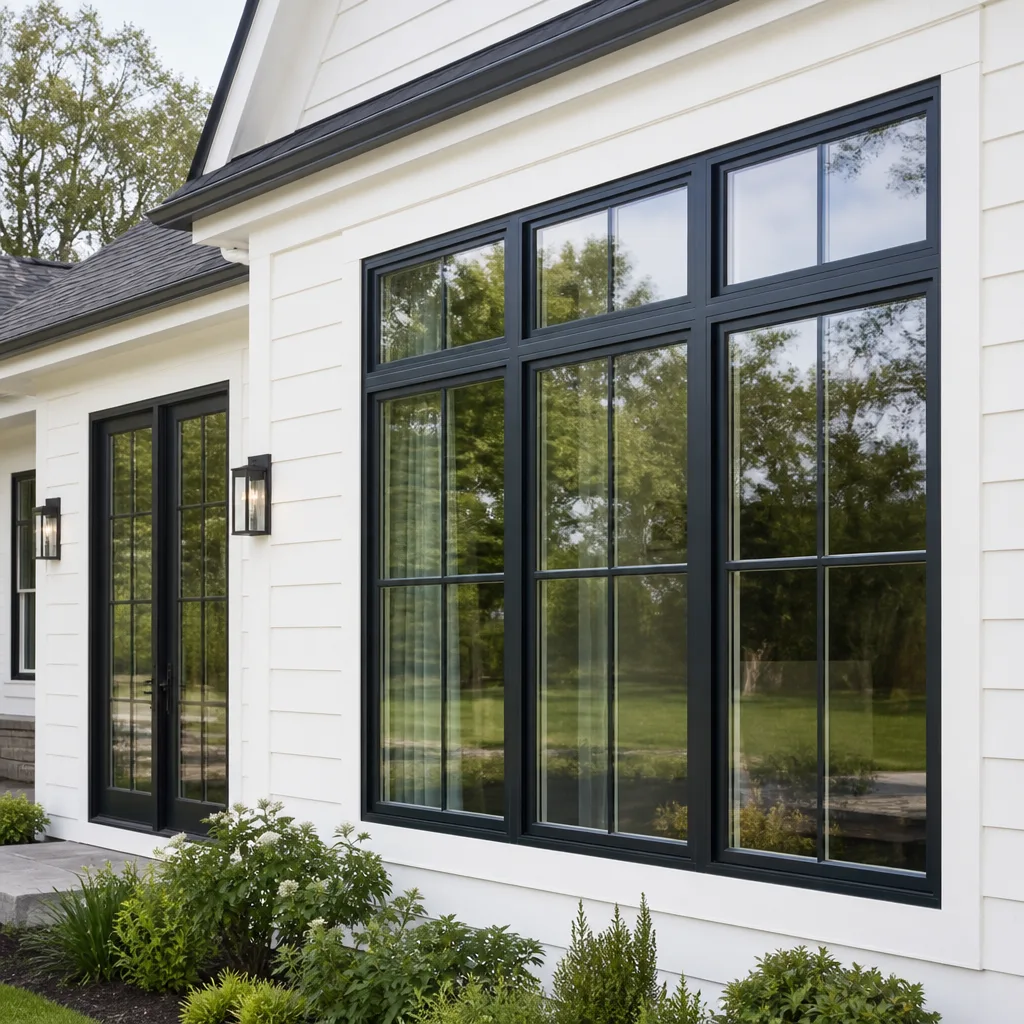
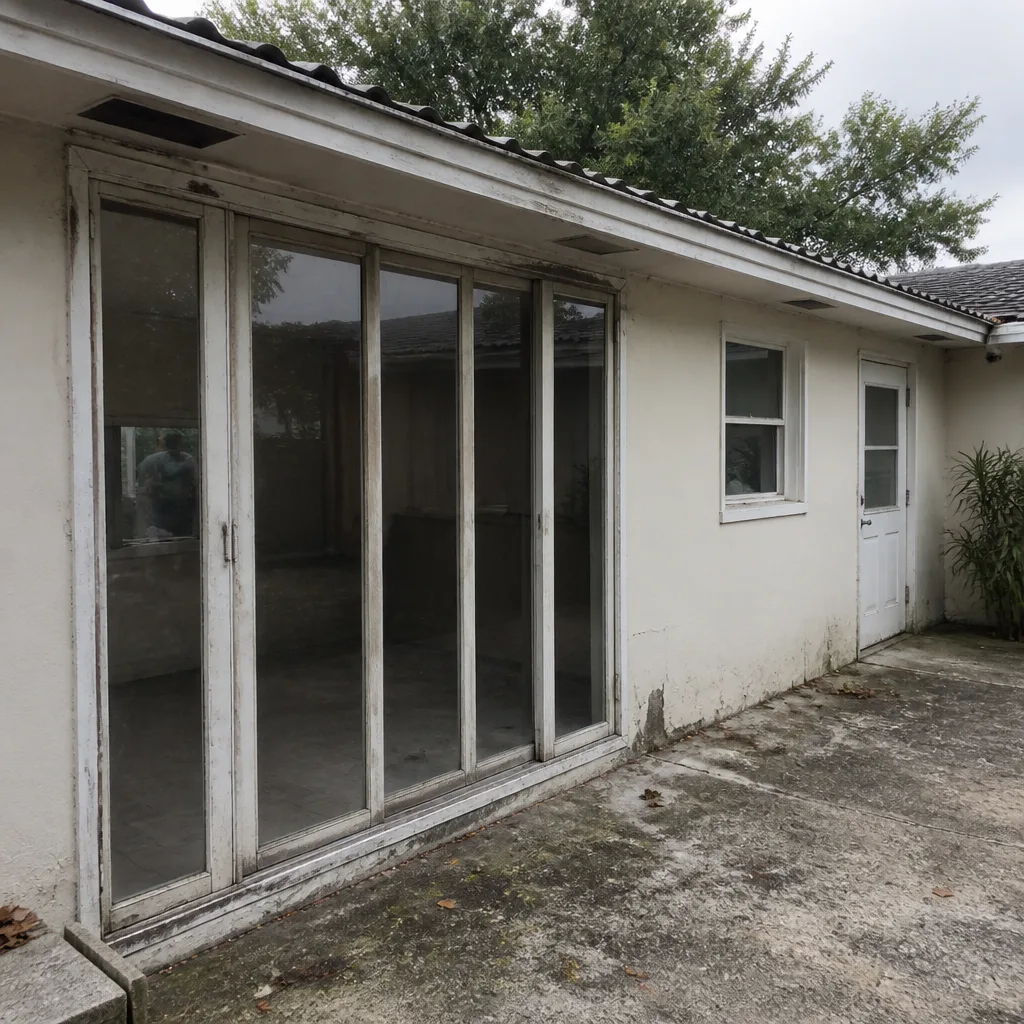 Before
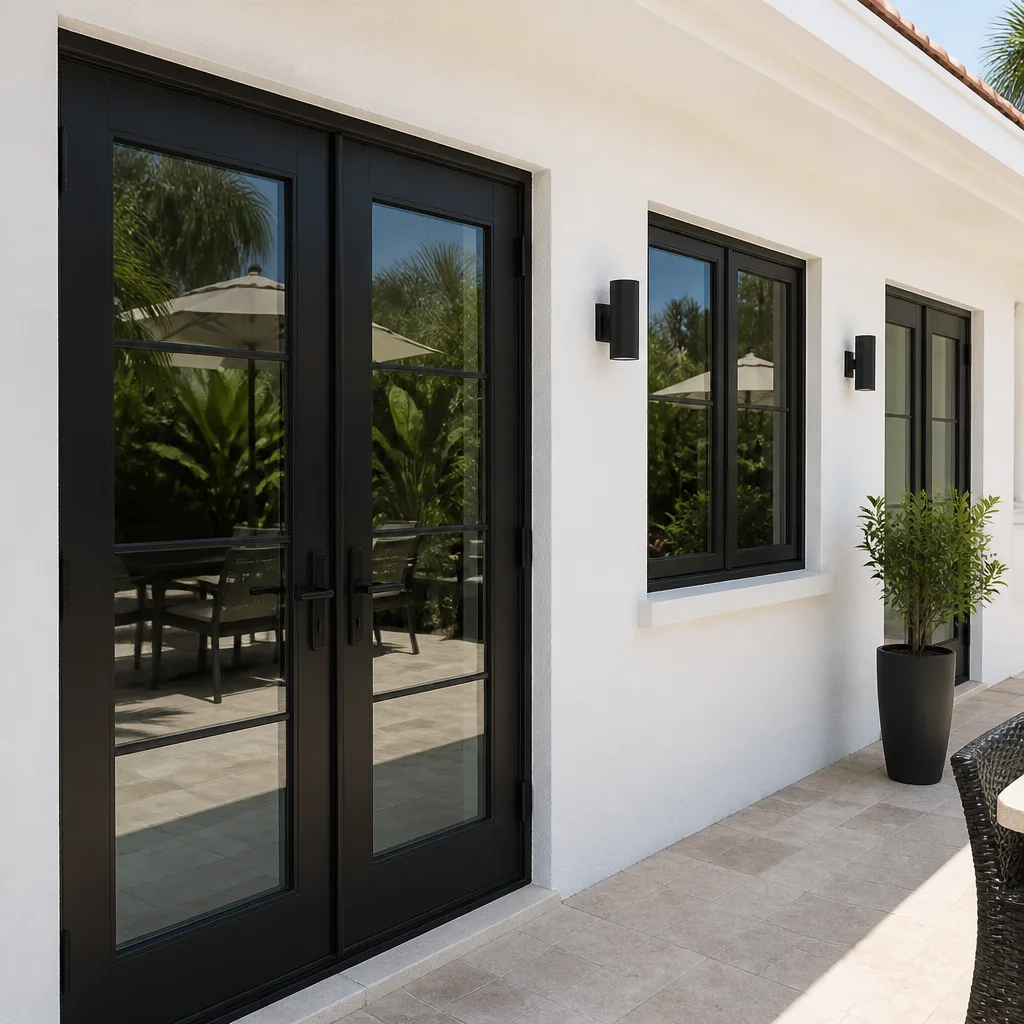 After
After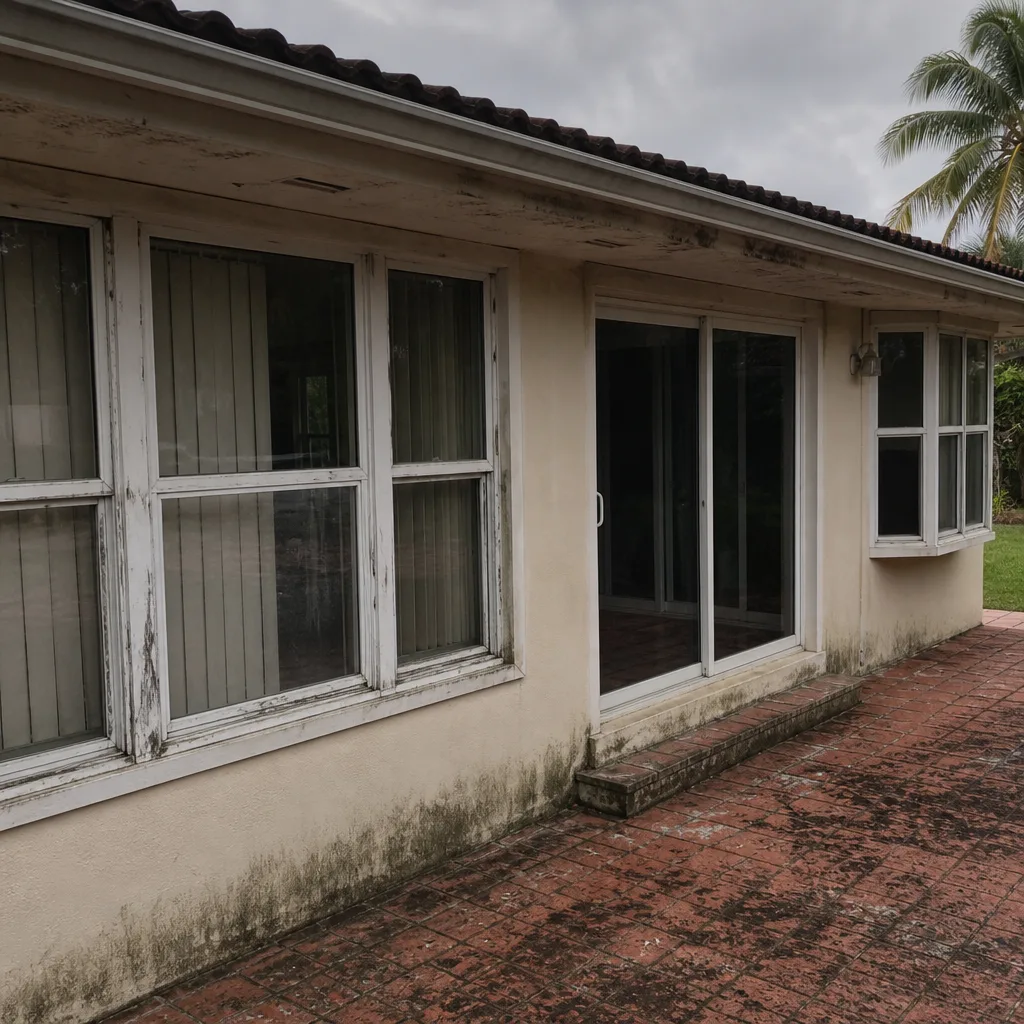 Before
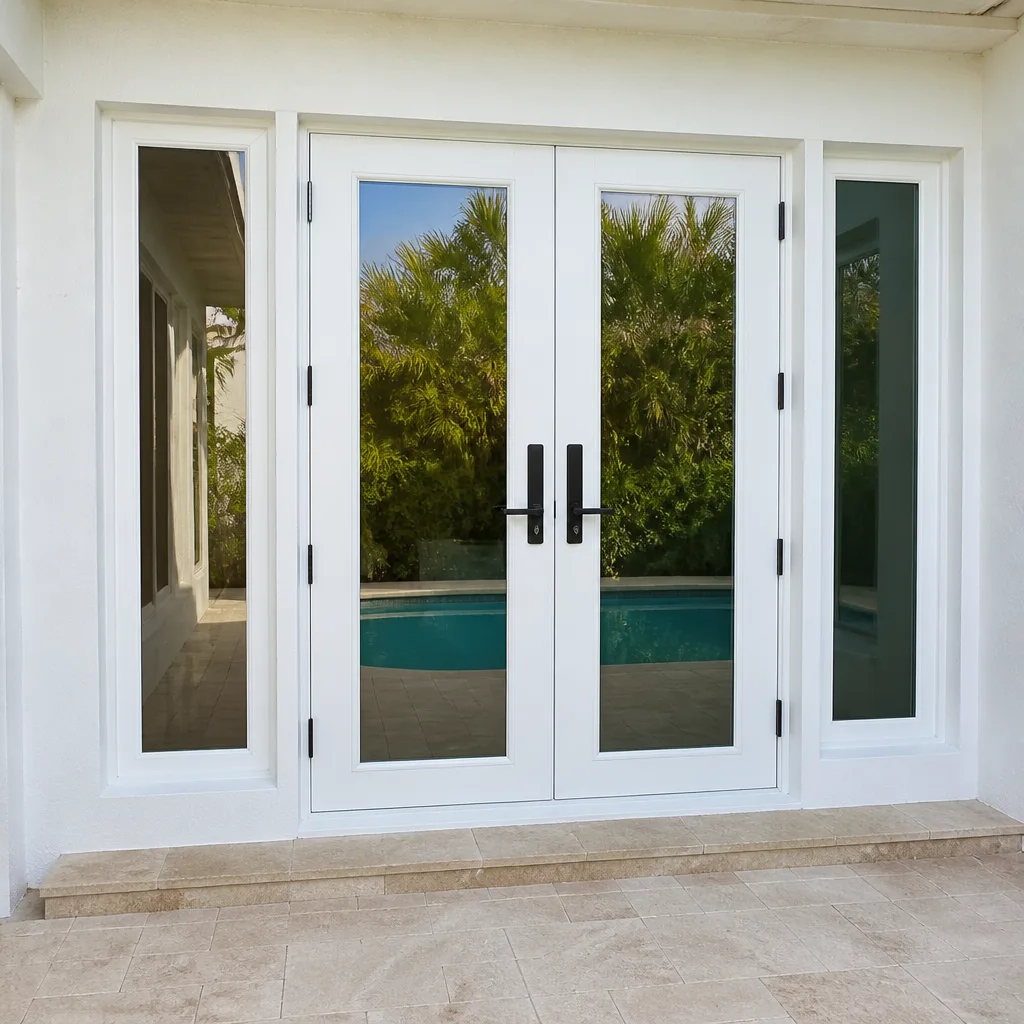 After
After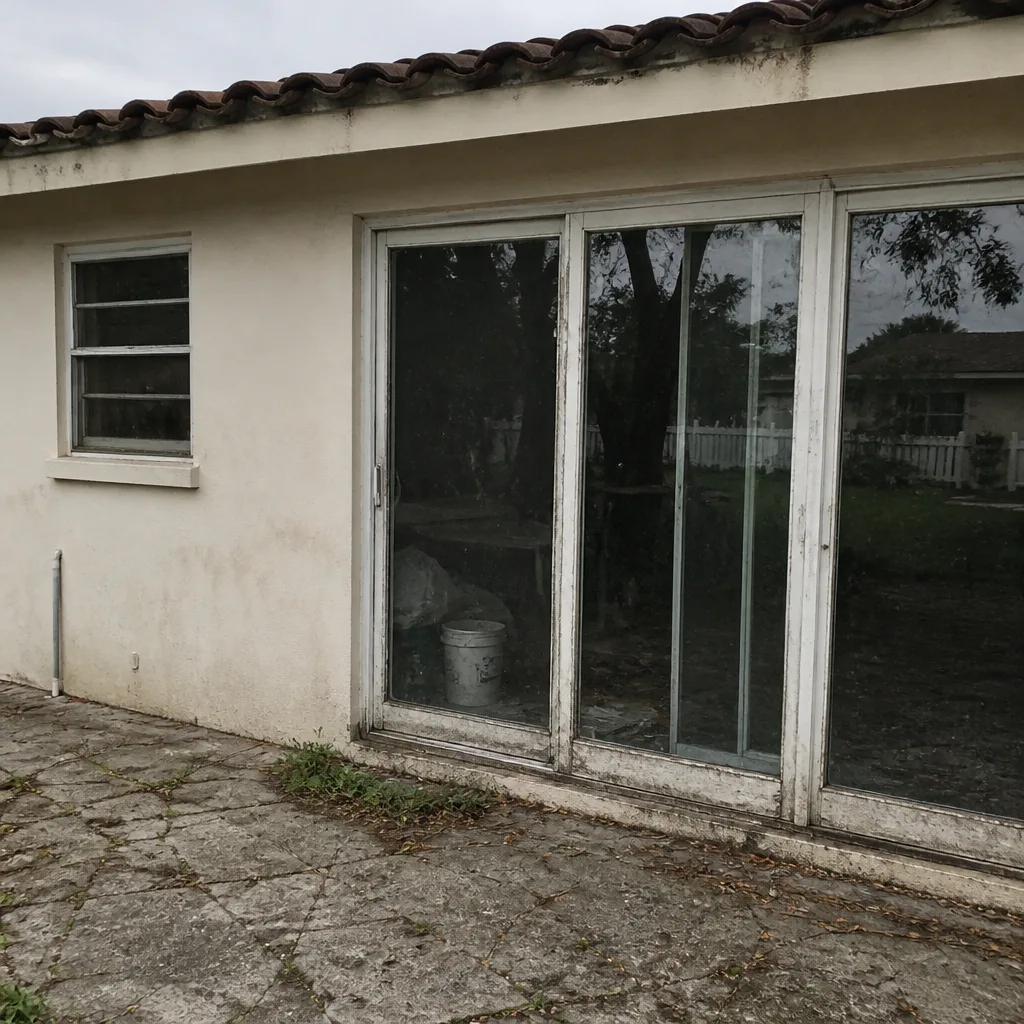 Before
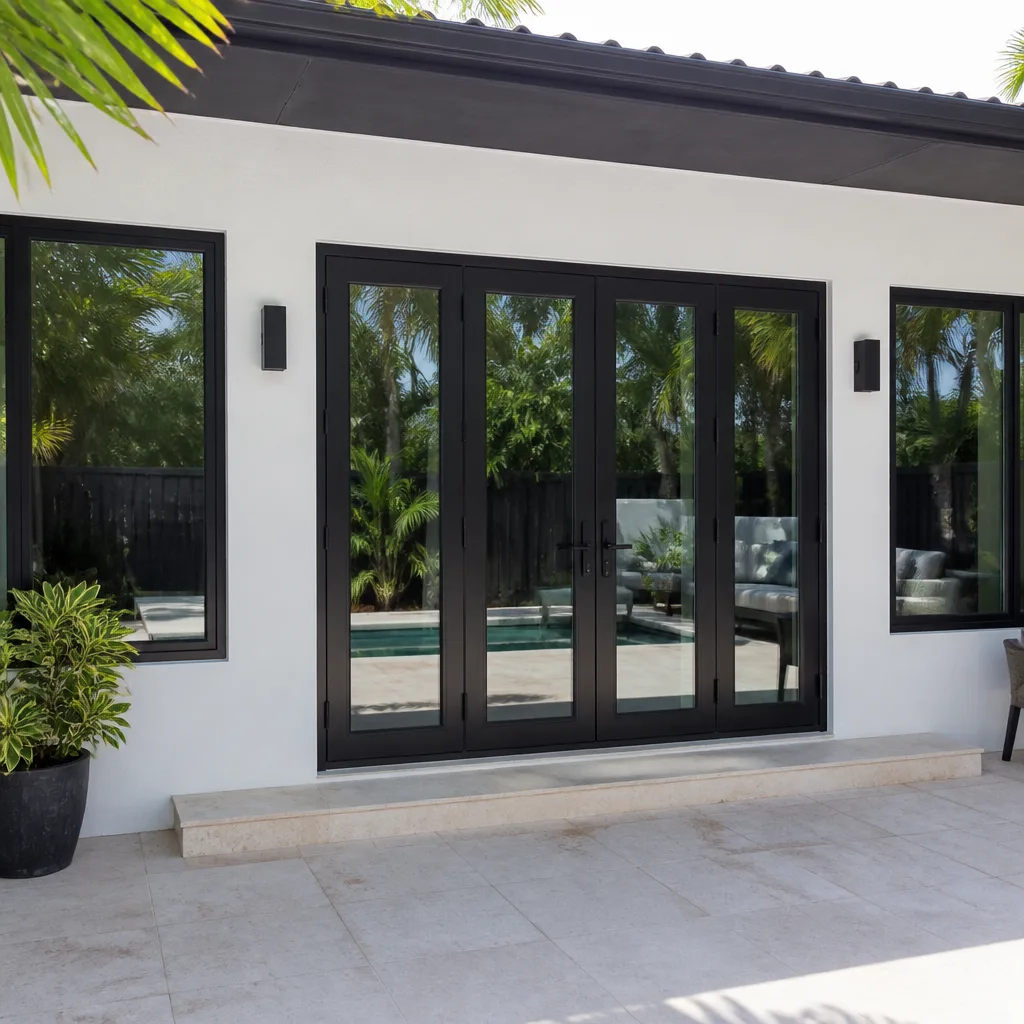 After
AfterDIY vs Professional Windows & Doors: The Miami Homeowner’s Decision Guide
Here’s the thing most national DIY guides won’t tell you: in 49 states, replacing your own windows is legal, standard, and often unremarkable. In Miami-Dade County, that same project requires a licensed contractor’s signature on the permit application before the first screw comes out of the frame. The DIY question in Miami isn’t about whether you’re handy enough. It’s about what the code permits, what your insurance company will accept, and what happens when you sell. This guide walks through the actual Miami-Dade building code as it applies to window and door replacement, what truly counts as DIY-friendly work, the real cost comparison, and why the “savings” math most blogs present falls apart the moment a home inspector walks into your house. We’ll give you the straight answer, not the national-chain gloss.
Quick Answer
In Miami, a homeowner cannot legally pull a permit for their own window or door replacement in Miami-Dade County; the permit application requires a licensed contractor’s certification. DIY window and door installation in Miami typically produces an unpermitted installation that must be disclosed at resale and may be excluded from insurance coverage. The genuinely DIY tasks that remain are measurement, interior trim prep, debris cleanup, and project coordination, none of which touch the permitted work itself.
Table of Contents
- What the Miami-Dade Code Actually Says About DIY Window Replacement
- What DIY Work Is Still Legitimate in a Miami Window Replacement
- The Insurance and Resale Consequences of Unpermitted Windows
- The NOA Problem: Why Product Sourcing Matters More in Miami Than Anywhere Else
- The Cost Comparison Done Honestly
- What a Permitted Professional Installation Actually Includes
- How to Verify Any Miami Window Contractor’s Credentials Before You Sign
- Common Mistakes to Avoid
- When to Call a Professional
- Frequently Asked Questions
- The Bottom Line
What the Miami-Dade Code Actually Says About DIY Window Replacement
Florida law, under Section 489.103(7), allows a homeowner to act as their own general contractor on their own residence. That’s the state-level rule that spawns a thousand blog posts about how “you can legally replace your own windows in Florida.” But Miami-Dade County operates its own building code with its own permit requirements, and the county’s window and door replacement permit specifically requires the signature and certification of a licensed contractor. The homeowner exemption in the state statute does not override the county’s permitting structure for this specific scope of work.
What that means in practical terms: when you apply to Miami-Dade County’s Building Department for a window or door replacement permit, the application includes a contractor certification section. That section cannot be left blank, and it cannot be filled in by the homeowner acting as their own contractor. The county requires a state-certified or county-licensed contractor to attest to the work, carry the liability insurance, and be responsible for the installation meeting the High Velocity Hurricane Zone (HVHZ) requirements of the Florida Building Code.
Anyone who tells you otherwise is either not in Miami-Dade or hasn’t read the current permit forms. We field calls from homeowners every month who started a window replacement, got flagged by a neighbor or an inspector, and now need a licensed contractor to file a corrective permit on work that’s already half-done. That’s almost always more expensive than hiring a professional from day one.
There’s a second layer here that national guides miss entirely: the building department in Miami-Dade does not issue “retroactive” permits for unpermitted window and door work. If the work is already in place, the remedy is typically removal and replacement under a new permit, not a simple inspection and stamp. The county treats an unpermitted window installation as a violation to be corrected, not a minor paperwork gap to be closed.
What DIY Work Is Still Legitimate in a Miami Window Replacement
None of the above means a homeowner in Miami has to be a passive bystander on their own project. There is a meaningful list of legitimate DIY work that surrounds a permitted window or door replacement, and it’s work that can genuinely save you money if you’re willing to do it. What you cannot do is touch the permitted scope: the removal of the old window, the installation and anchoring of the new one, the flashing and weatherproofing, and the final inspection-signoff. Everything else around that scope is fair game.
Here’s a realistic breakdown of what a Miami homeowner can self-perform on a legitimate replacement job:
- Pre-installation interior prep: moving furniture, removing and storing window treatments, taking down interior trim or casing (with care to preserve it for reinstallation), and protecting floors with drop cloths.
- Debris removal: hauling away the old window frame, glass, and packing material to the county transfer station. This is a real labor cost line item, and in Miami-Dade the county’s solid waste rules don’t pick up construction debris curbside.
- Measurement assistance: confirming rough opening dimensions with a tape measure before the contractor orders. Good contractors will measure their own openings, but a second set of numbers from the homeowner costs nothing and catches mistakes early.
- Painting and trim finishing: painting interior casing, caulking interior joints, and touch-up work after the installation is complete and inspected.
- Site coordination: being the point person for HOA approvals (many Miami condos and gated communities require board approval before new windows go in), scheduling, and access coordination.
These tasks are real work. They add up to a few hundred dollars in labor savings on a typical job. What they don’t do is reduce the cost of the permitted installation itself, because that cost is set by the contractor’s labor, the product, the permit fees, and the liability insurance that backs the work. Anyone who tells you that you can “save 50% by doing it yourself” in Miami is comparing a permitted professional installation to an illegal unpermitted one and pretending the difference doesn’t exist.
The Insurance and Resale Consequences of Unpermitted Windows
The unpermitted window problem in Miami doesn’t usually show up on the day you install it. It shows up three ways, and all three are expensive. The first is the insurance inspection. Miami homeowners on Citizens or a private carrier will have had a four-point inspection at some point, and the inspector is specifically looking at the windows and doors as part of the wind mitigation evaluation. If the inspector can’t verify a permit for the installation, the windows are either excluded from the wind mitigation credits or flagged as needing replacement. In practice, we’ve seen inspectors mark unpermitted windows as “non-conforming” and recommend full replacement before the policy renews. Following an Impact Windows Maintenance Checklist for Miami Homeowners won’t help if the installation itself was never permitted.
The second is the sales disclosure. Florida’s seller disclosure form asks directly about improvements made without permits. Lying on that form exposes the seller to post-closing litigation. Telling the truth exposes the seller to a lower offer. In the Miami market, unpermitted window work typically results in a price reduction that equals or exceeds the original labor savings, because the buyer’s insurer will often refuse to write a policy until the windows are permitted and inspected. Buyers know this, and their agents know this.
The third is the correction itself. Once Miami-Dade’s Building Department flags unpermitted work, typically through a complaint, a resale inspection, or a routine audit, the homeowner has two choices: remove the windows and replace them under permit, or file for an after-the-fact permit. After-the-fact permits for windows in HVHZ zones are rarely granted without significant structural documentation, and the county’s default position is removal and replacement. We have been called in to remediate enough of these jobs in neighborhoods from Cutler Bay to Aventura to know the pattern: the window was $650 online, the labor was free, and the correction cost $4,000 to $6,000 because the original work had to be torn out and redone to code.
There’s no statute of limitations on this. Unpermitted work discovered 15 years after installation is still unpermitted work, and the seller at that point is the one holding the liability. That’s not a risk most Miami homeowners are being told about when they read the generic DIY advice on a national site.
The NOA Problem: Why Product Sourcing Matters More in Miami Than Anywhere Else
Miami-Dade is the only county in the U.S. that maintains its own building-code product approval system for windows and doors. The Notice of Acceptance, or NOA, is a Miami-Dade-specific certification. A window can hold a Florida statewide product approval and still not be legal to install in Miami-Dade because it lacks the county’s NOA. This is the single most common DIY sourcing mistake we see: a homeowner buys a window online or from a supplier in Broward, believes they’ve bought an “impact window” because it was advertised as impact-rated, and only discovers during the permitting process that the product has no Miami-Dade NOA and cannot be installed in the county at all.
This is not a technicality. The wind speeds Miami-Dade builds to are the highest in the state. A statewide product approval tests to the Florida Building Code’s standard, but Miami-Dade’s HVHZ code is stricter. The county will not accept a statewide approval as a substitute. The product either has an NOA number, which you can verify on the county’s online NOA database, or it is not legally installable in the county. Period.
Here’s how to check, step by step:
- Get the exact manufacturer and product name or model number from the supplier.
- Go to Miami-Dade County’s Building Department online NOA search and enter the manufacturer name.
- Confirm the NOA is active (not expired or superseded).
- Verify that the NOA’s product description matches the exact window or door you’re buying, including frame material, glass type, and size constraints.
- If the product doesn’t appear, it doesn’t matter what the supplier’s website says; it cannot be legally installed in Miami-Dade.
Professional installers in Miami work with NOA-approved product lines as a matter of course. That’s where brands like PGT, CGI, CWS, and ES Windows come into play; these manufacturers maintain extensive NOA catalogs because Miami-Dade is one of their core markets. When a homeowner buys direct from an online supplier, the odds of buying a non-NOA product are high enough that we’d call it the default outcome for first-time buyers. The savings on the product cost evaporate the moment the permit desk rejects the application.
The Cost Comparison Done Honestly
Most DIY cost comparisons for window replacement work like this: professional installation costs X, the window itself costs Y, therefore you save X minus Y. That math works in places where the homeowner can pull the permit, install the window, and have the building department inspect it. Miami-Dade is not one of those places, and pretending otherwise produces numbers that don’t survive contact with reality. Here’s the honest comparison for a typical single opening in a single-family Miami home:
| Cost Element | DIY (Unpermitted) | Professional (Permitted) |
|---|---|---|
| Window product (NOA-approved, impact-rated) | $650-$1,100 (if you source correctly) | $650-$1,100 (contractor cost, similar product) |
| Labor | $0 | $300-$600 per opening |
| Permit fees (Miami-Dade) | $0 (no permit pulled) | $200-$500 (varies by project size) |
| Insurance during installation | None (homeowner liability) | Contractor’s general liability covers the job |
| Risk of correction order | Removal and replacement: $3,000-$6,000 if flagged | $0 |
| Resale impact if never corrected | Price reduction typically $5,000-$15,000, or buyer walks | $0 |
| Effective total cost | $650-$1,100 plus an unquantified liability | $1,150-$2,200 with warranty and permit closed |
The line that makes the difference is the resale impact. In Miami’s current market, a buyer’s inspector will check the permit history. Unpermitted windows are flagged in the inspection report. The buyer’s lender or insurer then makes them a condition of closing. Sellers end up either paying for a permitted retrofit before close or accepting a price cut that is always larger than the original labor savings. The “savings” from skipping the contractor is a short-term illusion that converts into a long-term liability.
What about door replacements? The math is similar, with one added layer: exterior doors in Miami-Dade must meet the same HVHZ wind and impact requirements as windows, and the same NOA rules apply. An unpermitted DIY door installation carries the same correction and disclosure consequences. A professional install of a Therma-Tru or similarly NOA-listed door line, mounted and flashed to county standard, closes the same loop as a professional window install.
What a Permitted Professional Installation Actually Includes
When a Miami homeowner hires a licensed contractor for a window or door replacement, they’re not just buying labor. They’re buying a chain of documentation and accountability that persists for the life of the building. Here’s what that chain looks like, step by step:
- Product verification: the contractor specifies an NOA-approved product and verifies the NOA is active before ordering.
- Permit application: the contractor files the permit with Miami-Dade’s Building Department, certifying the work on the application and attaching their license and insurance.
- Product approval documentation: the NOA and product specifications are submitted with the permit package.
- Installation to HVHZ code: the contractor installs the window using the anchoring, flashing, and fastening methods specified in the NOA and the Florida Building Code, HVHZ section.
- Inspection: a county inspector verifies the installation against the approved plans and the NOA requirements.
- Permit closure: the permit is signed off, and the window is now part of the home’s permitted record.
That permit closure is the piece a DIY installation can’t replicate in Miami. It’s what the insurance inspector looks for, what the resale disclosure references, and what protects the homeowner if a storm event causes damage and a claim is filed. Without it, the window is a liability. With it, the window is an asset. That distinction is the entire ballgame on impact windows in Miami.
The inspection step is worth dwelling on because most homeowners have never watched it happen. A Miami-Dade inspector is not looking at whether the window opens and closes smoothly. They’re checking the anchoring pattern against the NOA engineering drawings, verifying the product label matches the permit documents, and confirming the flashing and sealant details comply with the HVHZ requirements. Those details are not visible to a homeowner after installation, and they’re exactly the details an unpermitted installer skips.
How to Verify Any Miami Window Contractor’s Credentials Before You Sign
Not every contractor in Miami is licensed, and not every licensed contractor does window and door work to the HVHZ standard. The state of Florida licenses contractors through the Department of Business and Professional Regulation (DBPR), and Miami-Dade County requires county-level licensing for certain trade work as well. Before you sign anything, here’s what to check:
- State license: look up the contractor on the DBPR website. Confirm the license is active, not expired or suspended, and that the license type covers window and door installation.
- County license: Miami-Dade’s Building Department maintains a license verification system. Confirm the contractor is cleared to pull permits in the county.
- Insurance: request a certificate of insurance naming you as an additional insured for the project period. Confirm general liability and workers’ compensation coverage.
- NOA familiarity: ask the contractor to name the NOA-approved product lines they install and to show you the active NOA document for the product they’re proposing. A contractor who can’t produce this on request doesn’t do this work daily.
- Published address and ownership: a real local company has a published physical address and an owner whose name is attached to the business. If you can’t find either, you’re dealing with a shell or a lead-gen operation.
That last point is where window installation in Miami gets personal. Ed Winslow put his name on Winslow Windows & Doors in 2011, and the company has operated from a published local address with a published license number ever since. No shell companies, no national call center, no ticket numbers. The company is also an authorized installer for PGT, CGI, CWS, and ES Windows, which means the product lines come with factory-backed installation credentials, not just a contractor’s assurance that they “know how to install these.”
Common Mistakes to Avoid
- Buying a window before checking the NOA. The product you saw online is almost certainly not on the Miami-Dade NOA list, and once you’ve bought it, you’ve spent money on a product that can’t be legally installed in the county. Check the NOA before you pay for anything.
- Assuming the Florida state approval is enough. Florida’s statewide product approval and Miami-Dade’s NOA are different systems with different testing protocols. Statewide approval alone doesn’t get you a permit in Miami-Dade.
- Pulling a permit as your own general contractor. The Florida homeowner exemption under 489.103(7) does not extend to the Miami-Dade window and door replacement permit, which requires a licensed contractor’s certification. Applying as your own GC will get the application rejected.
- Installing first, permitting later. Miami-Dade’s Building Department doesn’t issue retroactive permits for completed window work. You’ll be told to remove and replace under a new permit, and the correction will cost more than the original professional install would have.
- Hiring a handyman for the install. Handymen cannot pull window replacement permits in Miami-Dade. The work will be unpermitted by definition, and the “savings” will convert into the resale and insurance liabilities covered above.
- Disclosing nothing at resale and hoping it’s missed. Four-point inspections and permit history checks are standard in Miami real estate transactions. Unpermitted windows get flagged, and the seller either pays for the correction or absorbs a price reduction.
- Comparing only product cost, not total installed cost. The window is one line item. The permit, the labor, the liability insurance, and the warranty are the others. A comparison that only counts the product cost produces a number that has no relationship to what a Miami homeowner actually pays or saves.
When to Call a Professional
If you live anywhere in Miami-Dade and you’re replacing a window or exterior door, you should be calling a licensed contractor. That’s not a sales pitch; it’s the plain reading of the county’s permit requirements. The contractor is the only person who can legally pull the permit, and the permit is the only thing that protects your insurance and resale position. If you want to do the interior prep, the debris hauling, or the finish painting yourself, a good contractor will welcome that and scope the job accordingly. But the permitted work belongs to the licensed contractor, and nowhere in Miami does that distinction matter more than in the HVHZ zones where your windows are your only line of defense against a Category 5. Winslow Windows & Doors offers free estimates in Miami, call (863) 946-5039.
Frequently Asked Questions
No. Miami-Dade’s window and door replacement permit application requires a licensed contractor’s certification, and the Florida homeowner exemption as own general contractor does not override the county’s permit requirements for this scope of work. The work must be permitted through a licensed contractor, or the installation is unpermitted by definition.
A single opening typically runs $1,150 to $2,200 all-in for a NOA-approved, impact-rated window, including the product, labor, permit fees, and inspection. The range depends on the product line, the opening size, and whether the home is in a HVHZ zone with additional anchoring requirements. Call (863) 946-5039 for an exact quote; estimates are free.
In most cases, no. Miami insurers require permit verification as part of their wind mitigation evaluation, and unpermitted windows are typically either excluded from coverage or flagged as non-conforming, which can trigger a policy non-renewal. The insurance gap during the unpermitted period is one of the three ways DIY window work in Miami becomes more expensive than a professional install.
An NOA, or Notice of Acceptance, is Miami-Dade County’s own product approval for windows and doors, separate from Florida’s statewide approval system and stricter in its wind and impact testing. A window without an active Miami-Dade NOA cannot be legally installed in the county, and the permit desk will reject any application for a non-NOA product.
No. Even with a NOA-approved product, the Miami-Dade permit for window replacement requires a licensed contractor’s certification on the application. Buying the right product doesn’t change the permitting structure. The installation must be performed by a licensed contractor, and the work must pass a county inspection against the NOA’s engineering requirements.
The inspection report flags the unpermitted work, the buyer’s lender or insurer makes correction a condition of closing, and the seller either pays for a permitted retrofit or absorbs a price reduction that typically ranges from $5,000 to $15,000. In our experience across Miami’s neighborhoods, the correction cost consistently exceeds what a professional installation would have cost in the first place. Call (863) 946-5039 for a free estimate before the unpermitted work becomes a closing problem.
The Bottom Line
In Miami, the DIY window replacement decision isn’t really a decision; the county’s permit structure makes it for you. Licensed contractors pull the permits, install to HVHZ code, and close the loop with a county inspection that protects your insurance standing and your resale value. The legitimate DIY work is around the edges, and a good local contractor will scope it that way without padding the bill. Where window replacement in Miami is concerned, you want a local owner whose name is on the permit and the product, not a national chain that hands you a ticket number. Ed Winslow started Winslow Windows & Doors in 2011, and the company has been pulling permits and passing inspections in Miami-Dade ever since. That’s the one down the road.
Written by Ed Winslow, Owner at Winslow Windows & Doors, serving Miami since 2011.
Six Reasons Homeowners Choose Winslow Windows & Doors
Impact systems engineered to design pressures up to +/-100, matched to your wind zone - your openings hold when the storm arrives.
Low-E insulated impact glass from our manufacturer lines commonly cuts monthly cooling bills 20-30%.
Laminated impact glass shuts out up to 40% of outside noise - traffic, neighbors, weather.
Monitoring services run $30-90 a month. Laminated impact glass resists forced entry around the clock, with no subscription.
Florida homeowners average around 25% savings on the windstorm portion of their policy after protecting every opening - some homes qualify for more.
A full impact package upgrades curb appeal, buyer confidence and appraised value in one project.