
Last updated August 27, 2026
Free in-home measure and quote - PGT, CGI and CWS impact lines compared on your actual openings, style by style
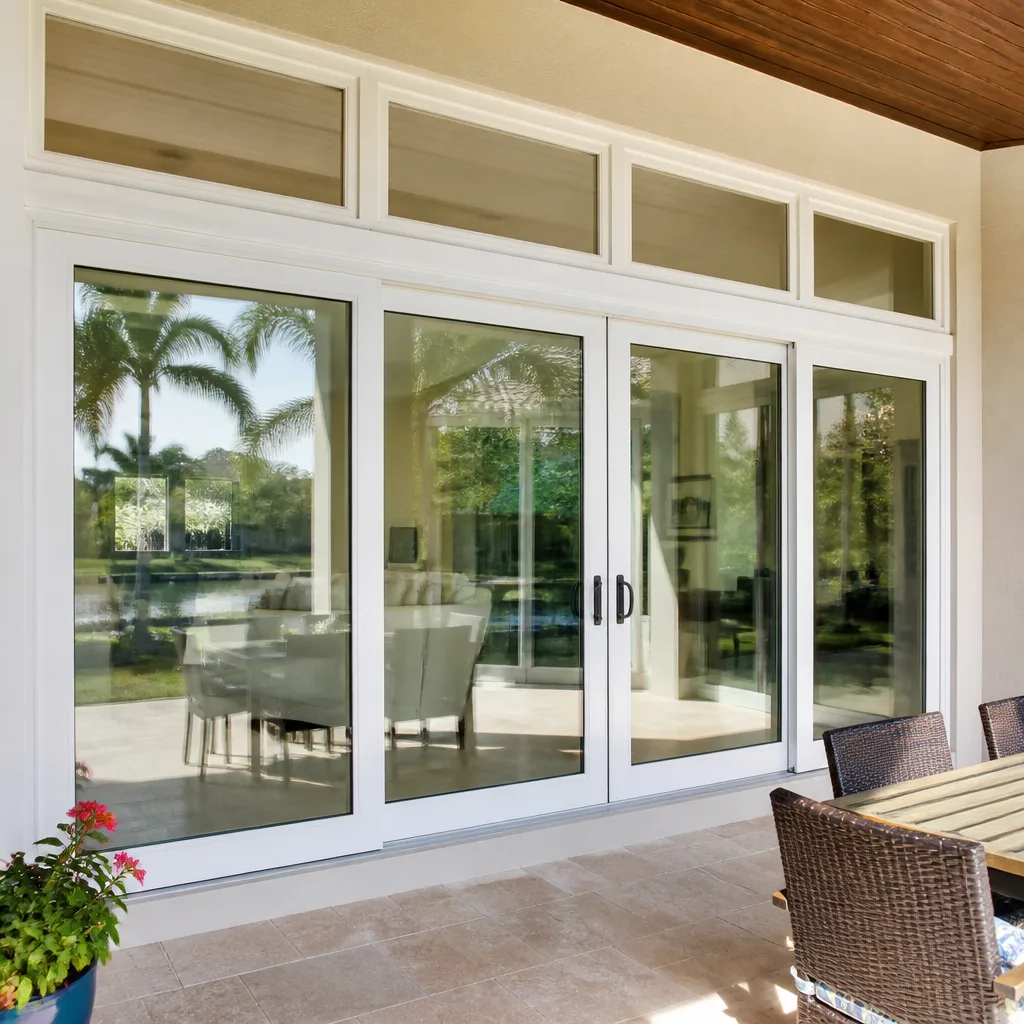
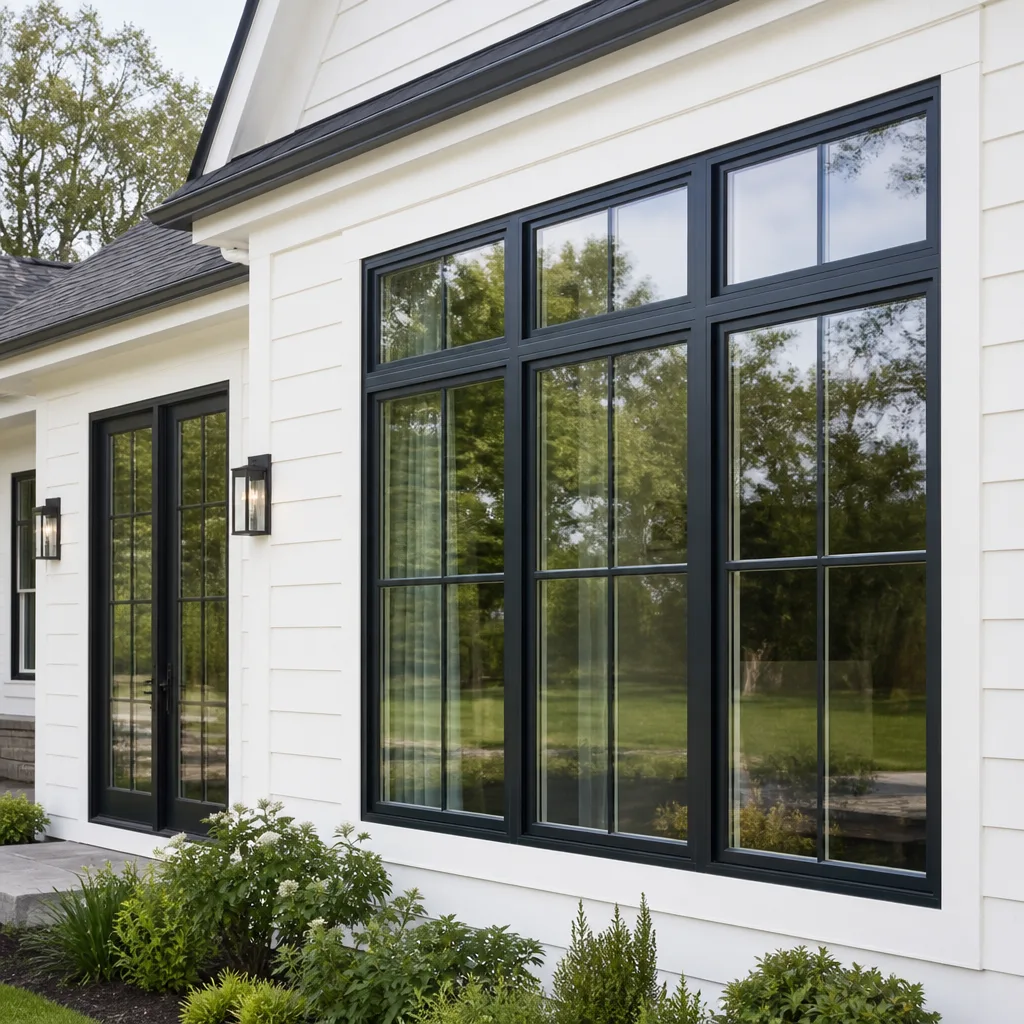
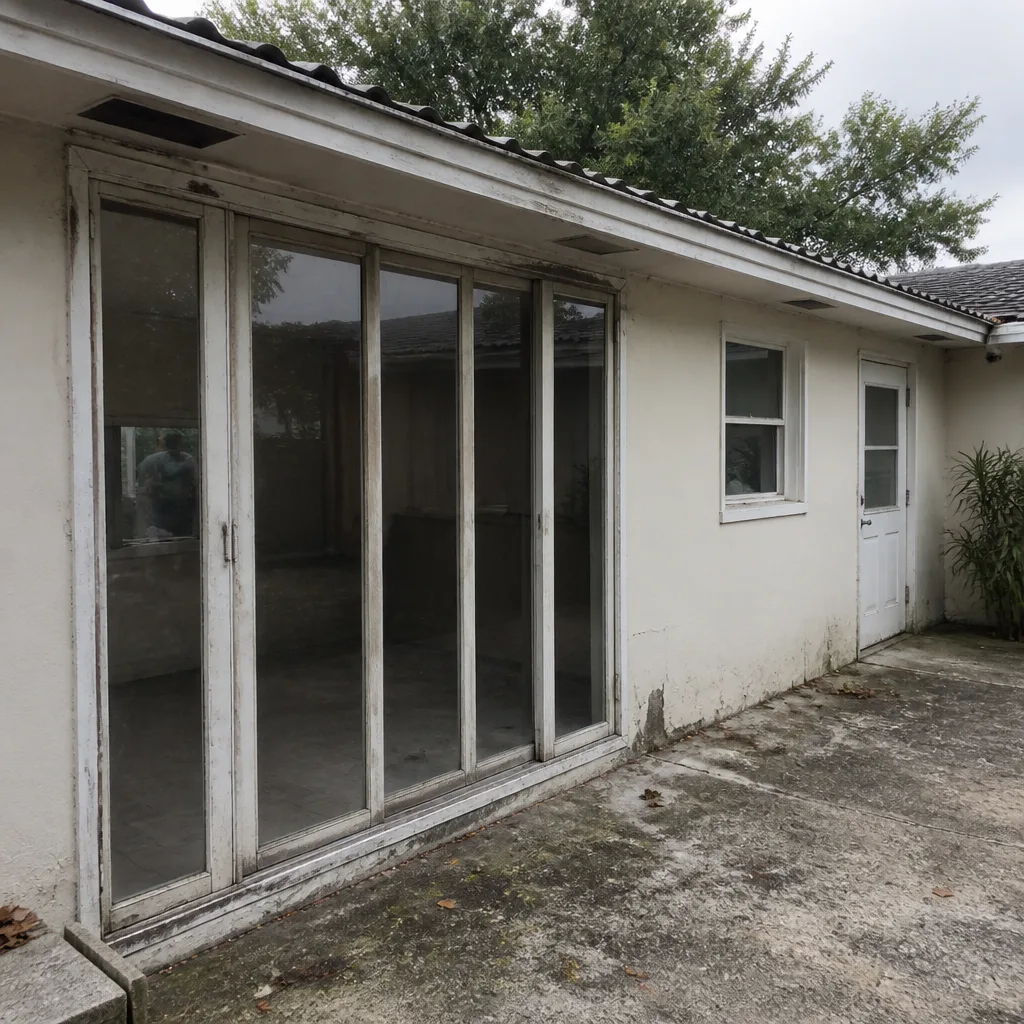 Before
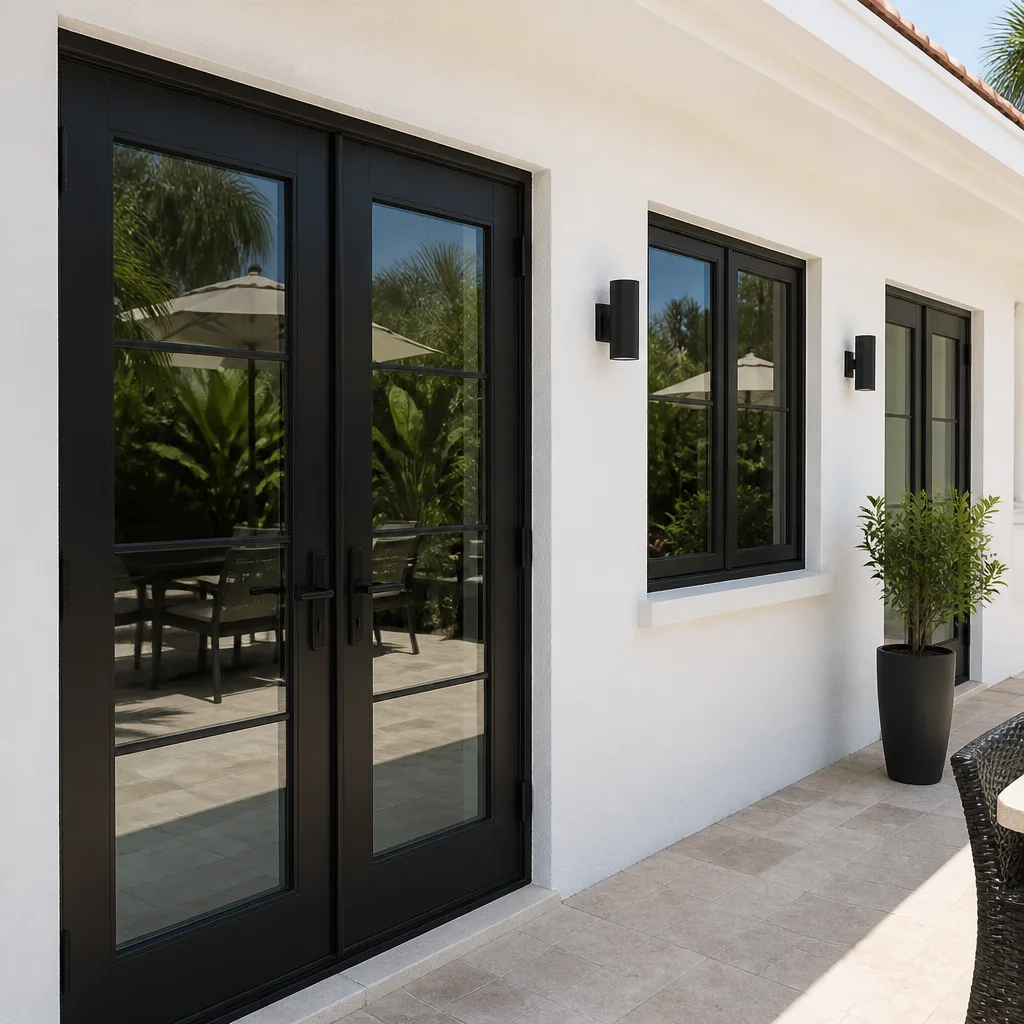 After
After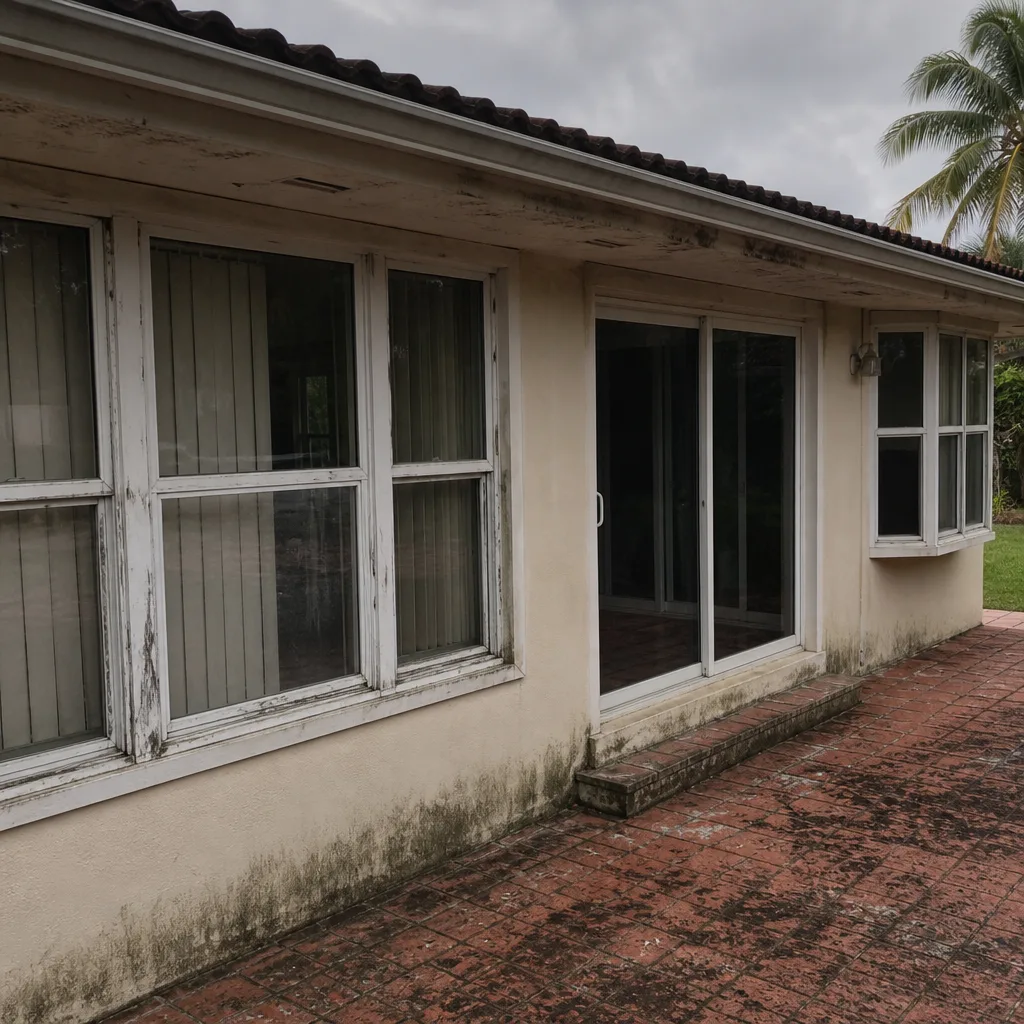 Before
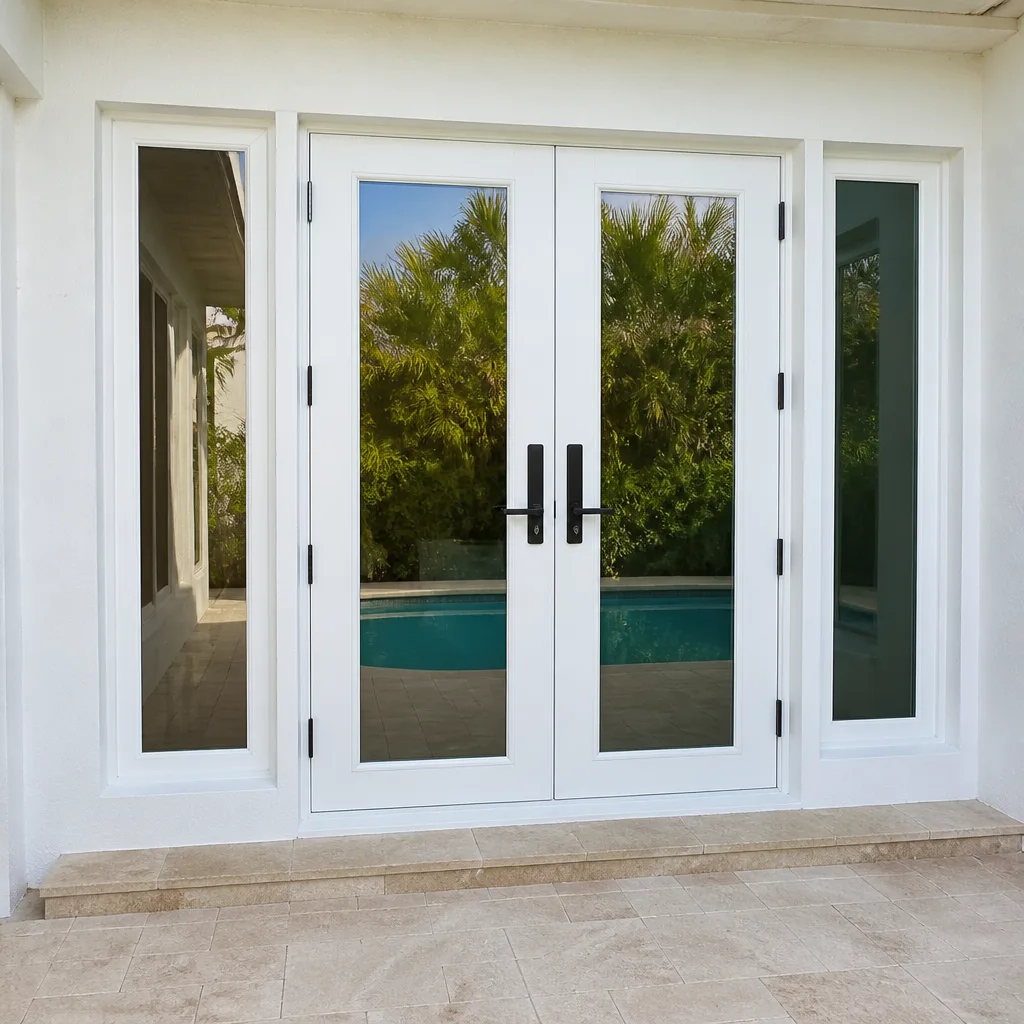 After
After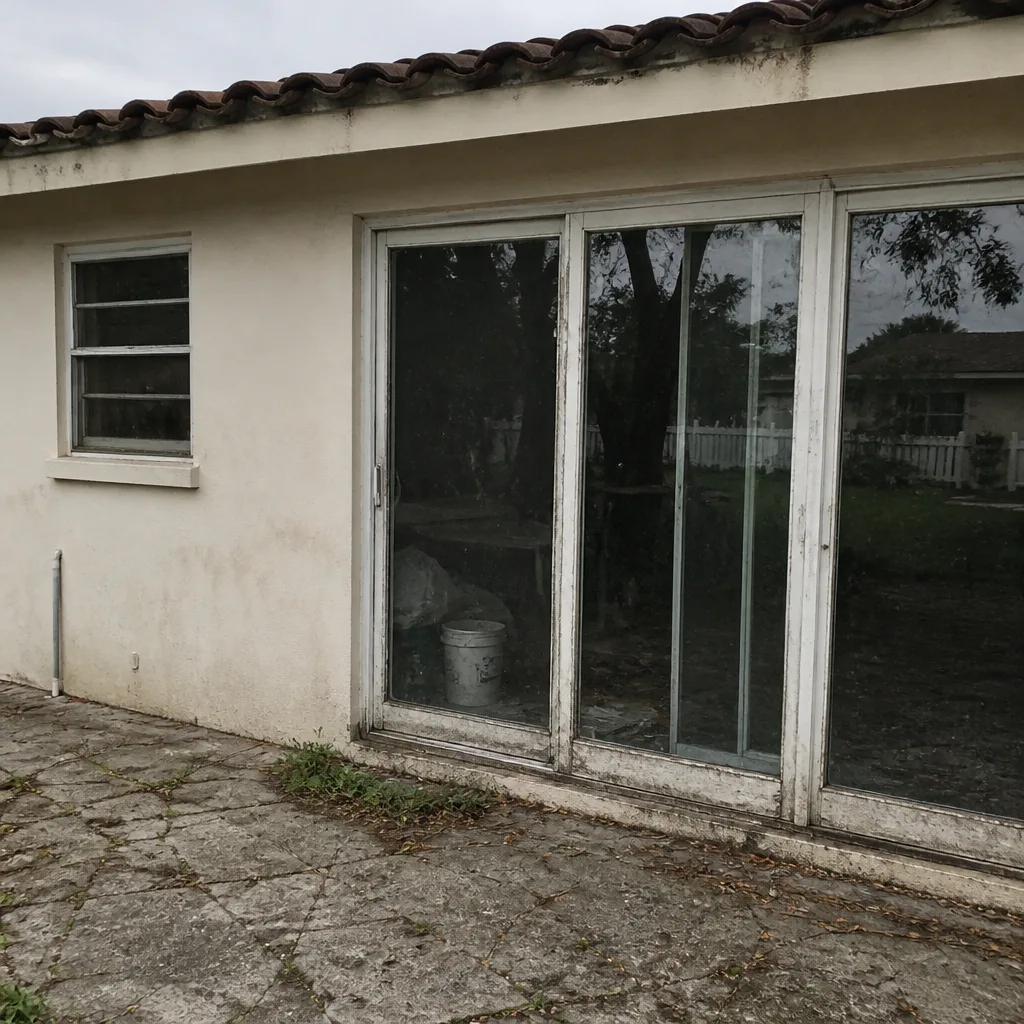 Before
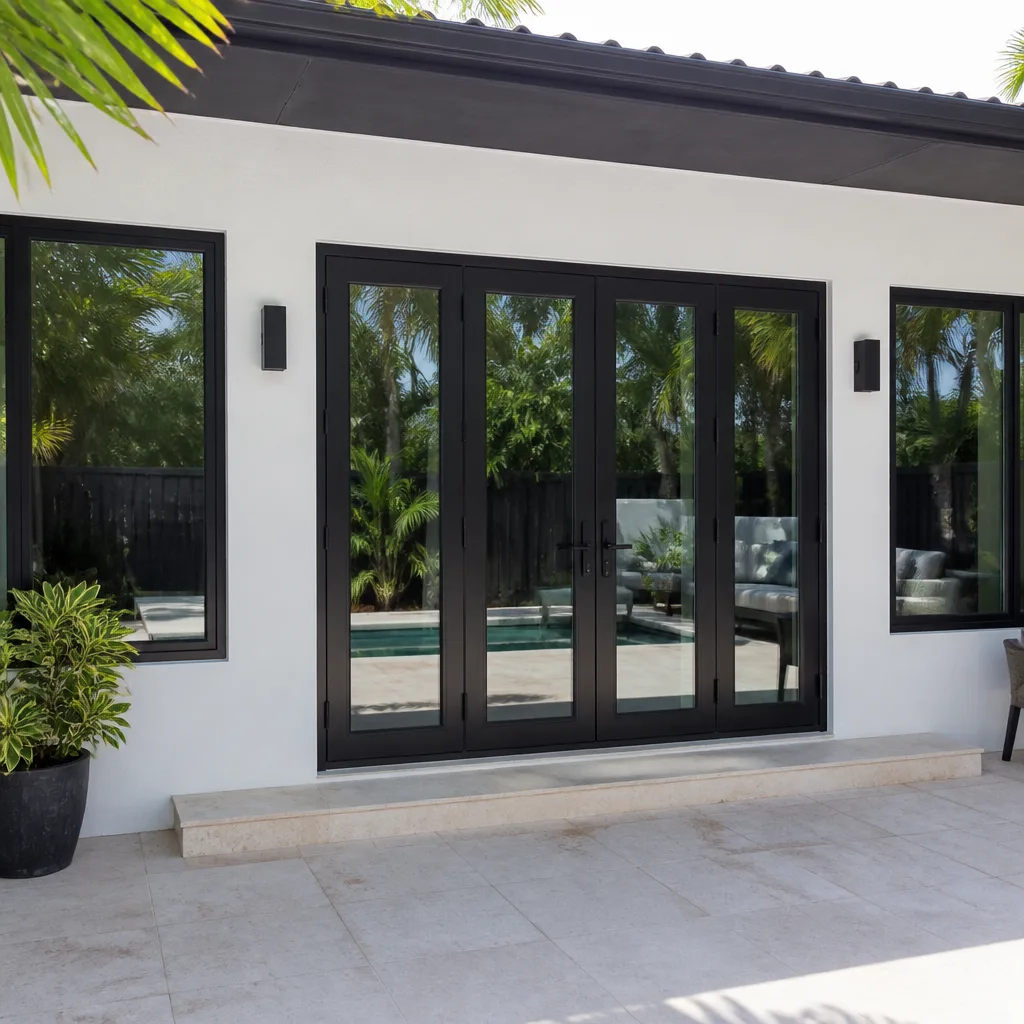 After
AfterSeasonal Windows & Doors Care for Miami: Year-Round Homeowner’s Guide
The window and door failures Miami homeowners report most often in November aren’t caused by the hurricanes that just passed. They’re caused by the deferred spring maintenance that made the frames vulnerable before the season started. South Florida doesn’t operate on the four-season calendar you’ll find in a national home-care magazine. Miami runs on its own clock: humidity cycles that swell and shrink wood, salt air that never takes a day off, and a storm season that punishes every shortcut. This guide maps door and window care to Miami’s actual calendar so you can stop guessing and start staying ahead. You’ll learn the four maintenance windows that matter here, what to do in each, what most homeowners skip, and what it costs when you ignore the rhythm.
Quick Answer
Miami door and window care follows four seasonal windows: dry-season corrosion checks (November through April), pre-hurricane hardening (April and May), rainy-season moisture management (June through October), and post-storm documentation (after any named event). The two most expensive mistakes Miami homeowners make are skipping May frame maintenance and waiting until August to discover that their weatherstripping failed in March. We recommend a full inspection in early May, a hardware lubrication pass in late November, and a documented post-storm walkthrough after every named system that comes within 50 miles of Miami.
Table of Contents
- Why Miami’s Maintenance Calendar Is Different
- The Dry Season Trap: November Through April
- The Pre-Hurricane Window: April and May
- The Rainy Season: June Through October
- Post-Storm Inspection Protocol: What to Document After Every Named Storm
- The Annual Tasks Most Miami Homeowners Skip
- What Your Window and Door Brands Actually Tell You About Maintenance
- Common Mistakes to Avoid
- When to Call a Professional
- Frequently Asked Questions
- The Bottom Line
Why Miami’s Maintenance Calendar Is Different
A homeowner in Minneapolis checks window seals before winter. A homeowner in Phoenix checks for dry-rot in June. Miami homeowners don’t have either of those problems, and they don’t have either of those schedules. What we have instead is a subtropical cycle that stresses doors and windows in ways the national guides never mention. Salt air from the Atlantic and Biscayne Bay, humidity that stays above 70 percent for months, and an annual hurricane season that officially starts June 1 and effectively starts whenever the National Hurricane Center says it does.
Here’s the part most people get wrong: Miami’s dry season, November through April, is not a maintenance vacation. It’s the period when salt deposits concentrate most aggressively on door hinges, lock cylinders, and window tracks. The salt is always in the air near the coast. In summer, daily rains wash it off. In winter, there’s nothing to rinse it away. It accumulates. Then it corrodes. We’ll get deeper into that below.
What this means in practice: Miami has four real maintenance windows, and none of them line up with the four seasons on a calendar. They line up with humidity shifts, rain patterns, and the June 1 hurricane start line. If you plan care around those, you’re doing what the house actually needs. If you plan around spring, summer, fall, and winter, you’re following a schedule written for a different climate entirely.
The Dry Season Trap: November Through April
Between November and April, Miami’s average rainfall drops dramatically. The trade winds shift, afternoon thunderstorms become rare, and the humidity that defines June through October finally eases. It feels like the relief season. It’s also the highest-risk period of the year for door and window hardware corrosion in coastal Miami neighborhoods like Brickell, Coconut Grove, Key Biscayne, and anywhere east of US-1.
Here’s the counterintuitive reason: salt deposits concentrate more aggressively in low-humidity months because nothing washes them away. During the summer rainy season, daily downpours rinse salt residue off frames, tracks, and hinges. Not perfectly, but regularly. In the dry season, the salt accumulates day after day. It sits on aluminum tracks. It works into lock cylinders. It coats hinge pins. And because the air is drier, the salt has time to bond with metal surfaces and start the corrosion process before the next rain arrives.
What to Do Every Dry Season
Run this checklist in late November or early December, then again in late February:
- Lubricate every hinge, lock cylinder, and sliding track. Use a dry silicone spray on window tracks and a light machine oil on hinge pins. Wipe away excess so it doesn’t attract dust. For coastal homes, do this twice per dry season, not once.
- Wash all frames with fresh water. A garden hose rinse removes accumulated salt film before it bonds. Use a soft cloth and mild dish soap on glass and powder-coated aluminum frames. Avoid pressure washers, which force water past seals.
- Test every lock and latch. Salt corrosion shows up first as stiffness in lock cylinders. If a key turns hard in December, that corrosion had months to build. Address it now, before it seizes entirely.
- Inspect weatherstripping for brittleness. Dry-season air pulls moisture out of rubber and vinyl seals. Look for cracking at corners and compression points. Weatherstripping that’s dry by March will leak by June.
- Check for rust on steel hinges and exterior door thresholds. Especially on doors facing east toward the ocean or north toward the bay. Surface rust can be cleaned and re-coated. Deep pitting means replacement is near.
In our experience serving Miami since 2011, the hardware failure most homeowners discover in August traces back to a dry-season inspection that never happened. A hinge that won’t move freely in December is a hinge that fails under storm pressure in September.
The Pre-Hurricane Window: April and May
The National Hurricane Center marks June 1 as the official start of the Atlantic hurricane season. For Miami homeowners, that means the maintenance deadline is not June 1. It’s mid-May. Every inspection, adjustment, and replacement should be complete before the first storm watches appear. Once a system is tracking toward South Florida, local contractors are flooded with calls, lead times stretch weeks, and the window for preventative work has effectively closed.
This is the maintenance window that determines how your doors and windows perform if Miami takes a hit. It’s also the window most homeowners skip, because the weather in April and May is pleasant and nothing feels urgent. That’s the trap. The frames your windows rely on during a hurricane need to be ready before the storm exists.
April-May Checklist: What to Inspect, Test, and Address Before June 1
- Inspect every impact window’s sealant and glazing bead. Look for gaps, cracks, or shrinkage at the frame-to-glass and frame-to-wall joints. In Miami’s sun, sealant degrades faster than in most of the country. A gap the size of a pen tip can channel wind-driven rain during a storm.
- Test every window for smooth operation. Open and close each window completely. Listen for grinding. Feel for binding. An impact window that doesn’t close fully in May won’t close fully in August, and that’s the exact moment you’ll need it sealed.
- Verify multi-point locking systems engage fully. On French doors, patio doors, and entry doors, check that every locking point throws cleanly. Humidity changes over the winter may have shifted the alignment. A multi-point lock that only catches one point is doing one-third of its job.
- Check door sweeps and thresholds. A storm with 70 mph wind can push water under a door with a worn sweep. Replace compressed or torn sweeps now. Check that thresholds are sealed at the ends where they meet the door frame. These are common leak points on every home style in Miami, from 1950s Coral Gables houses to new construction in Doral.
- Clean and clear weep holes. Every sliding window, sliding glass door, and impact window system has weep holes at the bottom of the track or frame. They drain rainwater. When they clog with dirt, insects, or salt residue, water backs up and leaks into the wall. Clear them with a wire or pipe cleaner and flush with water to confirm drainage.
- Photograph everything. Before hurricane season, take photos of each window and door assembly from outside. These photos become your documentation baseline for insurance claims and warranty work. If storm damage occurs, you’ll have dated proof of pre-storm condition.
If any item on that list fails, don’t wait. Every week you wait in Miami is another week of salt, sun, and humidity working against you. For homeowners considering full replacement, Impact Windows in Miami explains the difference between impact-rated and non-impact glass, and why the distinction matters when a Category 3 is offshore.
The Rainy Season: June Through October
From June through October, Miami’s daily thunderstorm pattern returns. Humidity sits at 75 to 85 percent for weeks. Wood doors swell. Metal frames hold condensation. Multi-point locks that aligned perfectly in May start binding by July. Weatherstripping that felt fine in April is now compressed and leaking. This is when the deferred maintenance from earlier in the year announces itself.
What Humidity Does to Your Doors and Windows
Wood entry doors absorb moisture from the air and expand. In Miami’s rainy season, a wood door can swell enough to scrape the frame, making it hard to open and close. The fix is not to sand it aggressively. The fix is to identify where it’s binding, remove a minimal amount of material, and then seal the newly exposed wood to prevent additional moisture absorption. Wood doors in Miami need that cycle repeated every few years, and they’ll still move more than a fiberglass or steel door ever will.
Multi-point locks on patio doors and French doors shift out of alignment when the wood around them swells. The locking points that worked in May no longer line up with the strike plates. You’ll feel resistance when you turn the handle, or you’ll see that only one of three locking points actually engages. That’s a structural alignment issue, not a broken lock. The correction is to adjust the hinges or the strike plates, not to force the handle harder. Forcing it breaks the lock mechanism and turns a $150 adjustment into a $600 replacement.
Weatherstripping compression is the quiet failure of South Florida’s rainy season. Foam and rubber seals designed to return to their original shape after compression slowly lose that memory. In Miami’s humidity, the seals also absorb moisture, which makes them swell and then degrade faster. By late August, a compressed seal on a south-facing door in Kendall or Westchester is letting conditioned air escape and moist outside air in. Your AC works harder. The door frame stays damp. Not urgent. But not free.
Rainy-Season Adjustment Guidance
- If a wood door is binding at the top or latch side during July, do not wait for it to dry out. Address it while it’s swollen. You want to remove material based on the worst-case state, which is exactly what you’re seeing now.
- Check all exterior door sweeps after every heavy rain event for the first month of the season. The first few downpours find the leaks that dry season masked.
- Open and close sliding doors weekly. In humid months, tracks collect condensation and salt residue faster. Weekly movement keeps rollers from seizing.
- Wipe down window tracks monthly. Standing water in tracks combined with fallen leaves and salt creates a sludge that corrodes aluminum and breeds insects.
If you’re noticing condensation between the glass panes of a double-pane window, that’s a failed seal. It’s common in Miami homes that face direct sun, and it means the insulating gas has leaked out. The window still opens. It still holds against wind. But it’s no longer energy-efficient. For information on detecting seal failure and deciding between repair and replacement, see Window Replacement in Miami.
Post-Storm Inspection Protocol: What to Document After Every Named Storm
After any named storm passes within 50 miles of Miami, even if you see no visible damage, document your doors and windows. Here’s why: insurance claims and warranty coverage both rely on documented pre-existing conditions. If a window frame develops a leak in November and you can show a clean post-storm inspection from October, your claim is stronger. If you have no documentation, the carrier or manufacturer may argue the damage predates the storm or falls outside coverage. Documentation is cheap. Claims without it are expensive.
Post-Storm Walkthrough: The Specific Checks
- Photograph every window and exterior door from inside and outside. Use the same framing as your pre-season photos. The side-by-side comparison is what makes the documentation credible.
- Run your hand along the inside of every window sill and door threshold. Feel for moisture. After a storm, water intrusion sometimes shows up hours before it’s visible as a stain.
- Open and close every operable window and door. Storm pressure can shift frames slightly. A door that sticks now may have moved. That movement may have compromised a seal that looked fine before the storm.
- Check for visible water stains on interior walls near window and door openings. Especially at the top corners. Wind-driven rain during a storm can enter through the wall assembly and show up as a stain days later.
- Inspect the exterior sealant at every window and door perimeter. Look for hairline cracks, pulled-away sections, or gaps. A sealant bead that was fine before the storm but cracked during it tells you the frame flexed under load.
- Test every lock and latch. Salt spray from the storm coats everything. Locks that operated smoothly before may be stiff now. Lubricate them immediately to prevent the salt from starting a corrosion cycle that worsens all dry season.
- Note any fogging or moisture between glass panes. Impact-rated glass can develop seal failure after extreme pressure events without showing any external crack. Document it and have it evaluated.
If you find anything you’re unsure about, call before you assume. Some post-storm issues are cosmetic. Some are structural. A homeowner cannot always tell the difference by looking at a window from the inside of a living room. For a professional evaluation of post-storm window condition, Window Installation in Miami covers what a full assessment involves.
The Annual Tasks Most Miami Homeowners Skip
Every Miami homeowner knows someone who checks their gutters. Almost nobody knows anyone who checks their window frame paint. That’s the pattern: obvious tasks get done, invisible tasks don’t, and the invisible tasks are often the ones that cost the most when they fail.
Frame Paint Touch-Up Schedules
Aluminum and wood window frames in Miami fade and chalk under UV exposure faster than almost anywhere else in the continental United States. Paint is not cosmetic. It’s the barrier that keeps moisture and salt off the frame material. When paint cracks or chalks away, the underlying material is exposed to the same salt air that corrodes hinges. The fix: inspect all painted frame surfaces every 12 months. Touch up any bare metal or exposed wood. Full repaints are typically needed every 5 to 7 years on sun-facing elevations and every 8 to 10 years on shaded ones. Homes on open waterfront in neighborhoods like Miami Beach or North Bay Village age faster than inland homes. Homes under tree canopy in places like Pinecrest or parts of Coral Gables age slower.
Threshold Seal Replacement Intervals
The threshold seal, the rubber or vinyl strip under an exterior door, has a working life in Miami. It’s typically 2 to 4 years, depending on sun exposure and use. When it fails, water enters under the door. That water soaks into the subfloor. In a slab home, it delaminates flooring. In a wood-frame home, it rots the rim joist. Neither is a cheap repair. The telltale sign of a failing threshold seal is daylight visible under a closed door or a draft along the floor near the entry. Replace it before it fails completely. The seal itself costs under $30 at most hardware stores and takes 20 minutes to install. The floor repair it prevents can run thousands.
Glass Clarity Testing for Laminate Degradation
Laminated impact glass, the kind installed by brands like PGT and CGI, has a plastic interlayer that gives it its impact resistance. Over years in Miami’s sun, that interlayer can begin to degrade. The early signs are subtle: slight haze, a faint iridescent shimmer, or a mild distortion that you notice only when the light hits at a certain angle. Most homeowners never check for this. The test is simple: stand at a window on a bright day and look through the glass at a straight line, like a power line or a fence. Shift your head slightly. If the line distorts, wavers, or shows color separation, the interlayer may be degrading. Document it. Have it evaluated. In our experience, early-stage interlayer degradation is one of the most overlooked issues in Miami because it develops so slowly that homeowners adapt to it without noticing.
What Your Window and Door Brands Actually Tell You About Maintenance
Not all window and door brands age the same way in Miami’s climate, and knowing what you have installed tells you what to watch for. We’re authorized installers for eight premium brands, and we’ve watched how each one behaves over years in South Florida conditions.
Aluminum-framed impact windows, common with brands like ES Windows and Mr-Glass, hold up structurally for decades, but their powder-coated finishes eventually chalk and need recoating. White frames and dark frames both fade, but dark colors show it first. The hardware on these windows, the rollers and locks, typically needs replacement long before the frame does. That’s normal. That’s wear. That’s not a defect.
Wood doors, especially the premium entry doors from Therma-Tru, need the most active seasonal attention. A fiberglass Therma-Tru door holds paint well and resists moisture better than natural wood, but the weatherstripping, sweeps, and threshold seals still wear on Miami’s schedule. The difference is that the door itself survives longer than a natural wood door would. If your home has a natural wood door from ECO Window Systems or another fine-wood specialist, plan on more aggressive dry-season maintenance every single year without exception.
Here’s a practical way to use brand knowledge: when you know what’s installed, you know what to inspect first. A home in Coconut Grove with aluminum ES Windows should prioritize track and roller maintenance. A home in Pinecrest with Therma-Tru entry doors should prioritize weatherstrip and seal inspection. The brand doesn’t change whether you need maintenance. It tells you which maintenance you need first.
Common Mistakes to Avoid
- Waiting until a storm is forecast to prepare your windows and doors. By the time the National Hurricane Center names a system headed toward South Florida, every qualified contractor in Miami is booked. Storm prep happens in May, not when the cone appears.
- Assuming impact windows don’t need maintenance. Impact-rated doesn’t mean maintenance-free. The glass resists impact, but the frame, seals, and hardware are still exposed to Miami’s salt and sun. A no-maintenance impact window still fails, just from a different cause.
- Lubricating everything with WD-40. WD-40 is a cleaner and a water displacer, not a lubricant. It works for a week, then attracts dust and creates a gummy residue that makes tracks worse. Use dry silicone spray on tracks and a light machine oil on hinge pins.
- Ignoring a door that sticks. In Miami, a sticking door is usually a moisture or alignment problem, not a reason to push harder. Forcing a swollen door damages the hinges, the frame, and eventually the locking mechanism. Adjust it while it’s swollen, not after it dries.
- Skipping the post-storm photos because there’s no visible damage. The point of the post-storm walkthrough is documentation, not damage assessment. You’re creating a record that proves the condition of your windows and doors at a specific date. That record has value even when nothing is wrong.
- Sandpapering a swollen wood door without sealing the fresh wood. Sanding removes material, but it also exposes raw wood. If you don’t seal it immediately, the door absorbs moisture through the sanded area and swells worse than before. Sand sparingly, seal promptly.
- Replacing weatherstripping once and assuming the job is done. Weatherstripping in Miami has a working life measured in years, not decades, and it wears unevenly. The seal at the bottom of a south-facing door fails faster than the seal at the top. Check all sides annually; replace the compressed sections as they fail.
When to Call a Professional
Some maintenance you can handle with a screwdriver, a spray can, and a free Saturday afternoon. Some you should not. Call a professional when a window or door will not close and lock at all, when you see visible frame separation at corners, when there is water intrusion that recurs after you’ve replaced the seals and sweeps, or when impact glass is cracked, hazed, or fogged. These are structural and safety issues, not maintenance items. A window that won’t lock is a security risk. A door that won’t seal is a moisture risk that compounds silently. In Miami, where a failed seal means month after month of humid air entering the wall cavity, small problems become expensive ones faster than homeowners expect. Winslow Windows & Doors offers free estimates in Miami, and our team has been working these neighborhoods since 2011. Call (863) 946-5039 for an honest assessment.
Frequently Asked Questions
Most routine door and window maintenance, including lubrication, weatherstripping replacement, and sealant touch-up, costs under $150 per opening when you do it yourself and between $75 and $250 per opening for professional service, depending on the scope. The expensive number is the repair you’re avoiding: a corroded multi-point lock replacement can run $400 to $900, and a failed window frame that requires full replacement often starts around $800 per opening. Call (863) 946-5039 for an exact quote on your home, and ask about our $40 off any repair over $200.
No. We give upfront pricing before the job begins, and the price we quote is the price you pay unless the scope genuinely changes and you approve it first. No change orders slipped into the final invoice. If something surprises us during the work, we show you what we found and what it costs before we do anything. That’s how Ed Winslow has run this business since 2011.
For installation and replacement work that requires permitting, we handle it. Miami-Dade County has specific requirements for impact-rated products, and any window or door replacement that changes the structure requires the right permits and inspections. When the work is done, we make sure it passes. For more on what installation in Miami involves, see Window Installation in Miami.
Most hardware repairs, weatherstripping replacements, and sealant touch-ups are completed the same day we arrive, usually within 2 to 4 hours depending on how many openings need work. Full window or door replacements typically take one to two days per opening, and multi-opening projects are scheduled in phases so your home is never exposed overnight. We’ll give you a written timeline before work begins.
The maintenance tasks are the same, but the stakes are higher with impact windows. Impact-rated glass from brands like PGT and CGI requires proper frame and seal maintenance to perform as designed during a storm. An impact window with a degraded seal may still resist a windborne object, but it won’t keep water out of your wall. Regular windows fail differently, often at the frame first. For a deeper look at the product differences, see our guide to Impact Windows in Miami.
Yes. Estimates are free, and we offer a free second opinion on any written estimate you’ve received from another company. Bring us the number, we’ll walk the job, and we’ll tell you honestly whether the price and scope make sense. No obligation. Call (863) 946-5039 and a real person answers, 24 hours a day, 7 days a week.
The Bottom Line
Miami’s window and door failures follow a calendar, and so should your maintenance. Dry-season salt accumulation corrodes hardware from November through April. The April-May window is your last reliable chance to prepare for hurricane season. Rainy-season humidity swells wood, misaligns locks, and compresses seals from June through October. Post-storm documentation protects your insurance and warranty position after every named system. Skip any of these windows and you’re not saving effort, you’re deferring cost. A homeowner who runs this schedule keeps their windows and doors working longer, avoids the surprise failures that always seem to happen in August, and spends less over the life of the home. That’s the whole game. Start with a free estimate, know where you stand, and fix what’s actually wrong. The one down the road is at Winslow Windows & Doors home, and we’re always here.
Written by Ed Winslow, Owner at Winslow Windows & Doors, serving Miami since 2011.
Six Reasons Homeowners Choose Winslow Windows & Doors
Impact systems engineered to design pressures up to +/-100, matched to your wind zone - your openings hold when the storm arrives.
Low-E insulated impact glass from our manufacturer lines commonly cuts monthly cooling bills 20-30%.
Laminated impact glass shuts out up to 40% of outside noise - traffic, neighbors, weather.
Monitoring services run $30-90 a month. Laminated impact glass resists forced entry around the clock, with no subscription.
Florida homeowners average around 25% savings on the windstorm portion of their policy after protecting every opening - some homes qualify for more.
A full impact package upgrades curb appeal, buyer confidence and appraised value in one project.