
Last updated August 27, 2026
Free in-home measure and quote - PGT, CGI and CWS impact lines compared on your actual openings, style by style
 Before
 After
After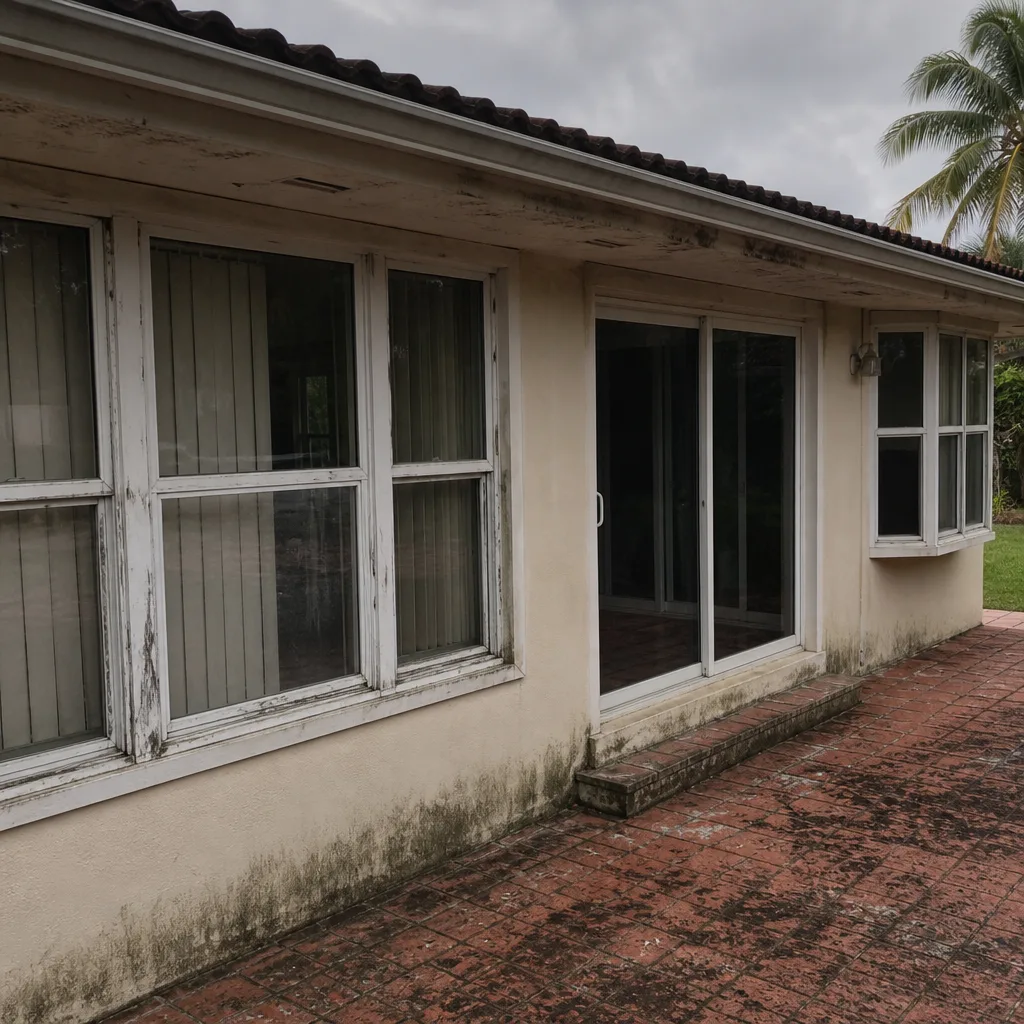 Before
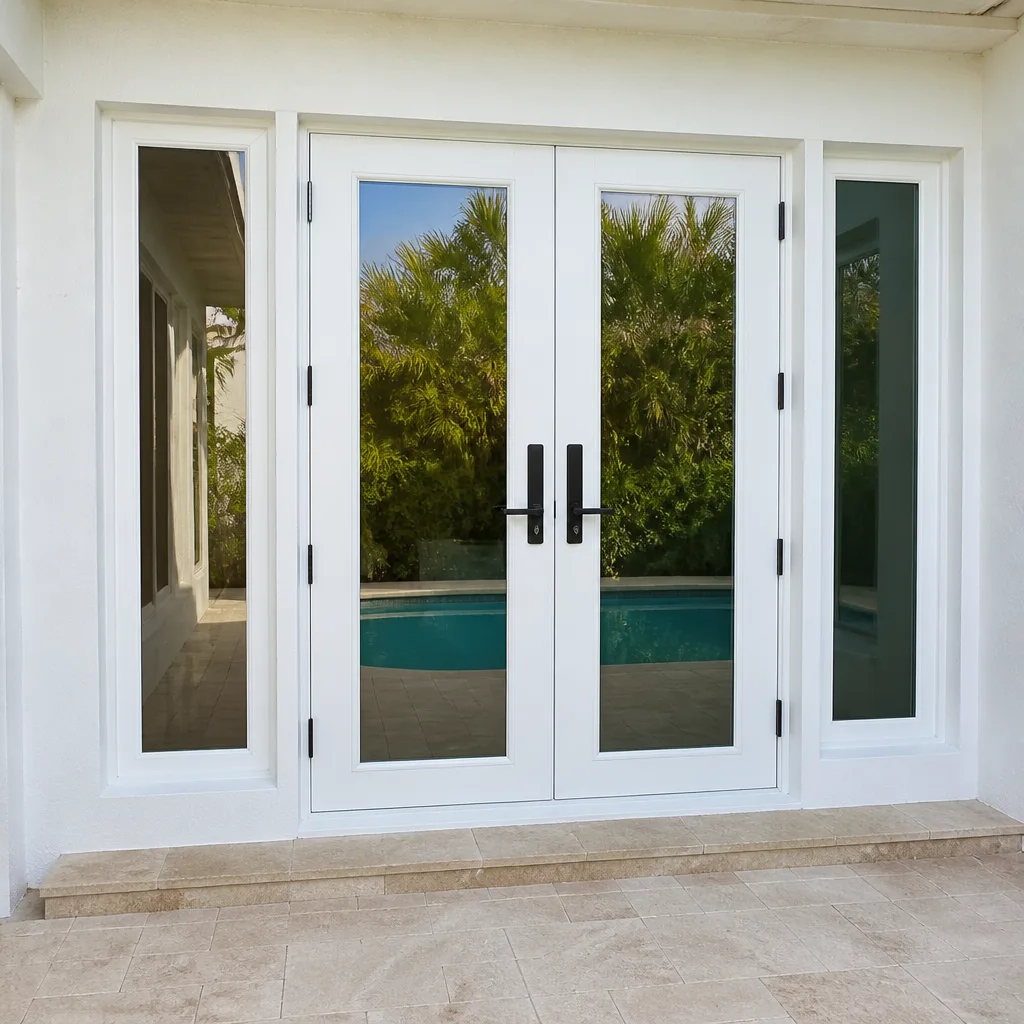 After
After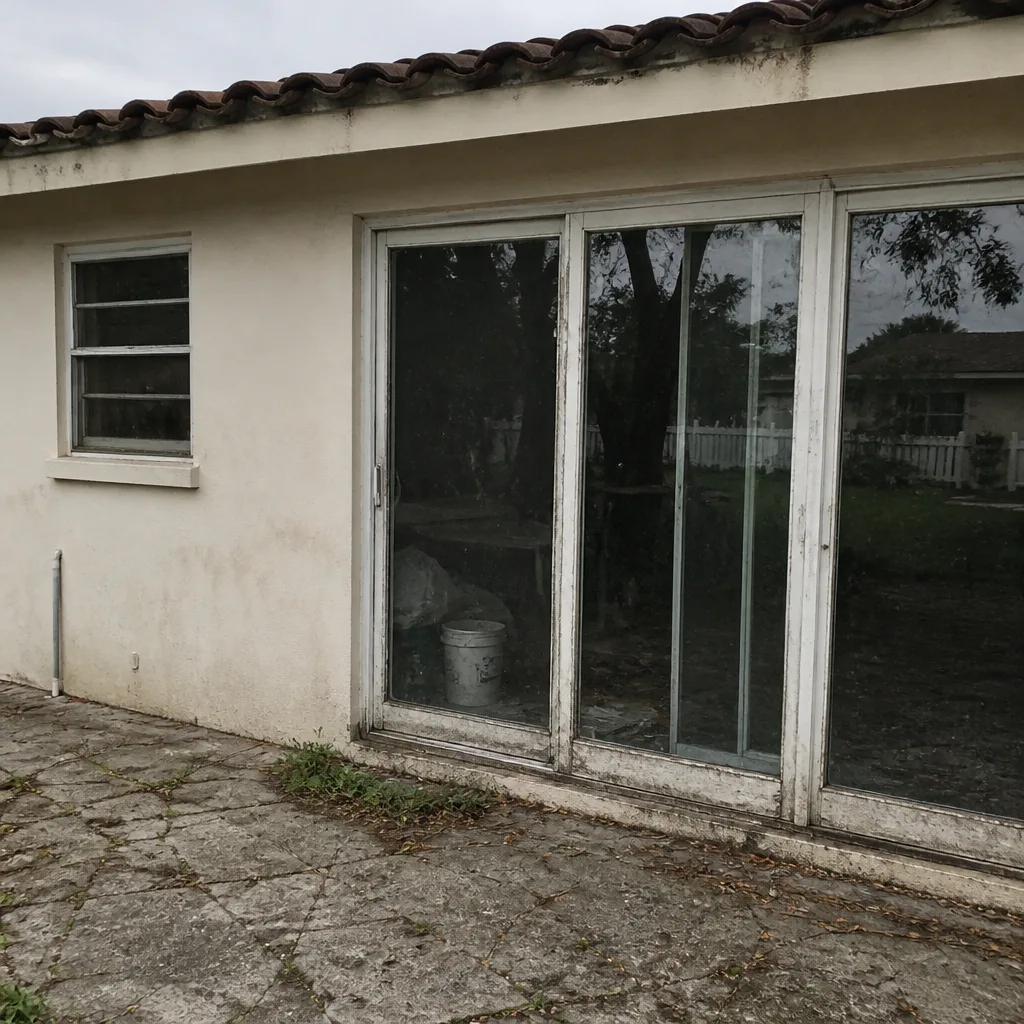 Before
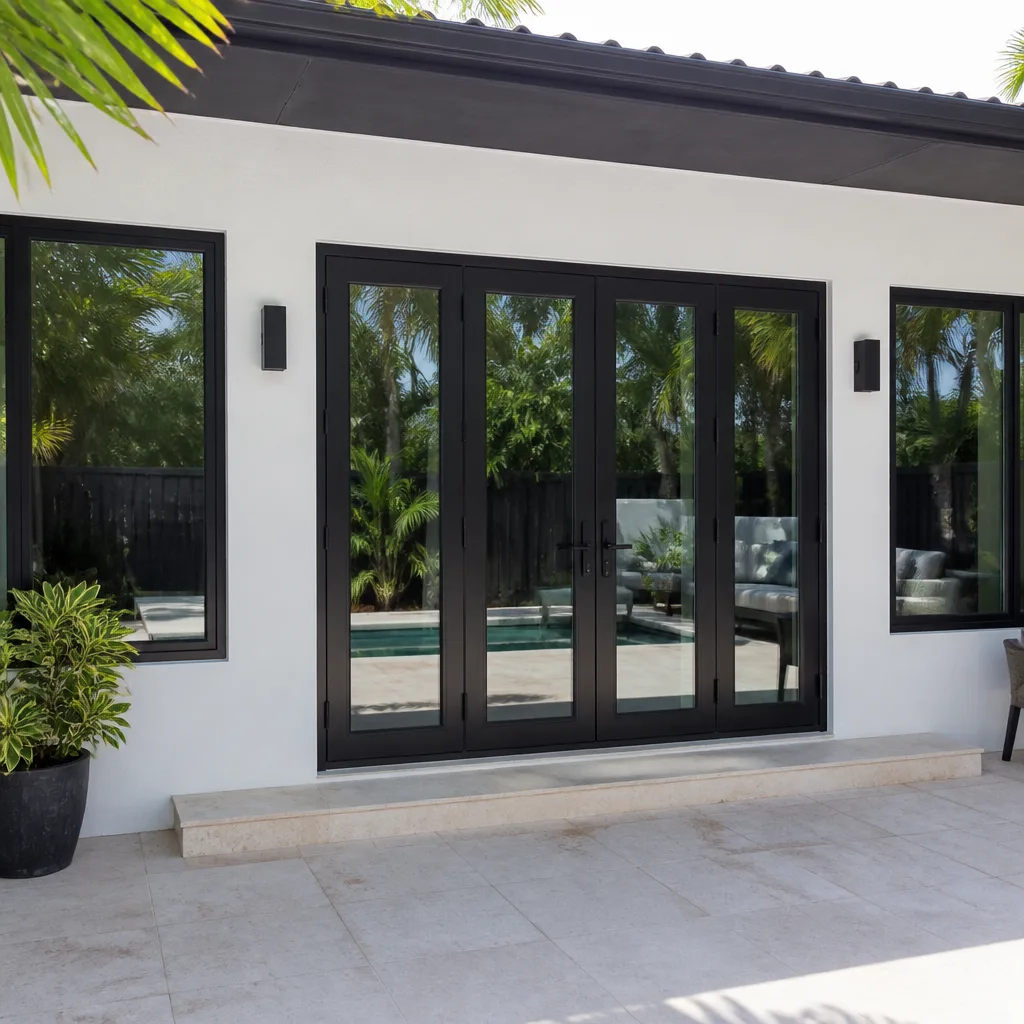 After
AfterWindows & Doors Permits, Codes & Inspections in FL: What You Need to Know
An unpermitted window replacement in Miami-Dade County can legally require a full tear-out and reinstallation at the homeowner’s expense, even if the window itself meets every Florida building code requirement. That’s not a scare tactic; it’s how Florida’s enforcement system actually works. This guide explains how Florida’s permitting, product approval, inspection, and insurance systems interact, so you can hold any contractor accountable before you sign, not after the inspector leaves. If you live in Miami, the rules are stricter than anywhere else in the state, and we’ll show you exactly where those differences bite.
Quick Answer
Florida requires a building permit for most window and door replacements, and the products installed must carry either a Florida Product Approval or a Miami-Dade County Notice of Acceptance (NOA) depending on your location. Inspections happen at two stages: rough-in and final. Unpermitted work voids manufacturer warranties, complicates insurance claims, and can force a costly tear-out if discovered. Working with a licensed contractor who handles permits and schedules both inspections protects your investment, your insurance coverage, and your resale value. For a deeper dive, see our Complete Guide to Windows & Doors in Miami.
Table of Contents
- Why Florida Requires Permits for Windows and Doors
- Florida Product Approval vs. Miami-Dade NOA: The Critical Difference
- What a Miami-Dade Inspector Looks For: Rough-In vs. Final
- How to Check Open and Closed Permits Before Buying a Home
- Florida Statute 553.84 and Your Rights as a Homeowner
- Insurance Implications: Citizens, Private Carriers, and Unpermitted Windows
- Step-by-Step: The Permitting and Inspection Process for Window and Door Replacement
- How Much Do Window and Door Permits Cost in Florida?
- Common Mistakes to Avoid
- When to Call a Professional
- Frequently Asked Questions
- The Bottom Line
Why Florida Requires Permits for Windows and Doors
Florida sits in the path of more hurricane landfalls than any other state in the country. Since Hurricane Andrew flattened parts of Miami-Dade in 1992, the state has built one of the strictest building code regimes in the United States. Every window and door in an exterior wall is part of what engineers call the building envelope, and in a Category 4 storm, that envelope is the only thing between your family and 140 mph wind-driven rain. A window that blows out during a storm doesn’t just break; it pressurizes your house, and that pressure differential is what peels roofs off homes. The permit process exists so a third party, the building department, verifies that the products you’re installing and the way they’re being installed match what Florida’s wind load calculations require.
In Miami specifically, the stakes are even higher. Miami-Dade County sits in what the code calls the High Velocity Hurricane Zone (HVHZ). That’s not marketing language; it’s a legal designation that imposes stricter impact standards than anywhere else in Florida. A window legal in Jacksonville may not be legal in Miami. The permit is the mechanism that forces that distinction to be checked before the work happens, not after.
Florida Product Approval vs. Miami-Dade NOA: The Critical Difference
Florida runs two parallel product approval systems, and confusing them is one of the most expensive mistakes a homeowner can make. A Florida Product Approval (sometimes called an FL number) means a window or door has been tested and certified for use anywhere in the state except the HVHZ. A Miami-Dade County Notice of Acceptance (NOA) is a separate, more rigorous certification that approves a product for installation specifically in Miami-Dade and Broward counties. A window that carries a Florida Product Approval but no NOA is perfectly legal in Orlando, Tampa, or Jacksonville, but it is not legal in Miami.
We see this play out when homeowners buy windows online or from an out-of-town supplier and then call us to install them. The product arrives with paperwork showing an FL approval number, and the homeowner assumes that settles it. It doesn’t. If your home sits in Miami-Dade, the inspector will reject a product without a valid NOA at the rough-in inspection, and you’ll be stuck with windows you can’t legally install and often can’t return. This is one reason we install NOA-certified product lines like PGT, CGI, and Therma-Tru; they carry the documentation Miami demands before the first hole is cut. Learn to spot these issues early in our Windows & Doors Warning Signs: A Miami Homeowner’s Reference Guide.
How to Verify a Product Approval Before You Buy
- Ask the contractor or supplier for the product’s FL approval number and its Miami-Dade NOA number if you live in the HVHZ.
- Look the number up on the Florida Department of Business and Professional Regulation’s product approval database. Every valid approval is searchable by manufacturer name.
- For Miami-Dade, search the county’s NOA database on the Miami-Dade Building Department website. If the product isn’t there, it can’t be installed legally in the county.
- Verify that the approval matches your specific product’s size, frame material, and glass type. Approvals are product-specific, not brand-wide.
- If the contractor can’t provide approval numbers on request, walk away. A licensed installer should treat this question as routine.
What a Miami-Dade Inspector Looks For: Rough-In vs. Final
Florida requires two separate inspections for most window and door replacement work. They happen at different stages, and they check different things. If your contractor only schedules one, the job isn’t done, and the permit stays open. An open permit is a legal cloud on your property that follows the house until it’s closed.
Rough-In Inspection
The rough-in inspection happens after the old window or door is out and the new unit is set in the opening, but before any trim, caulking, or finish work covers the installation details. This is the inspector’s only chance to see what’s hidden. In Miami-Dade, the inspector checks:
- That the product’s NOA or FL approval number matches the product physically installed, not just the one listed on the permit application.
- That the anchoring system, the screws or straps holding the frame to the structure, matches the spacing and type specified in the product’s approval drawings.
- That any shimming is done correctly and the frame sits square and plumb in the opening.
- That the fasteners penetrate into the structural member, usually concrete block or wood studs, to the depth the approval requires.
- That the opening is flashed correctly to prevent water intrusion, a critical issue in Miami’s tropical rainfall patterns.
If the rough-in fails, the contractor fixes the issue and calls for a re-inspection. That’s not optional; the job cannot legally proceed to finish work until the rough-in passes.
Final Inspection
The final inspection happens after everything is complete: trim installed, caulking done, hardware on, and the job site cleaned up. The inspector is confirming that the finished installation matches what was approved at rough-in and that the work meets the code’s performance requirements. They’ll check:
- That the window or door operates correctly and seals tightly.
- That impact glass, if required, is actual impact glass, often verified by a permanent label etched into the glass corner.
- That exterior caulking and flashing are complete and weather-tight.
- That the permit card is signed and the inspection record is closed out properly.
We always tell our Miami customers: if you didn’t see an inspector at your house twice, ask your contractor for the inspection records. Both inspections are a matter of public record. You have the right to see them.
How to Check Open and Closed Permits Before Buying a Home
Before you buy a home in Florida, pull the permit history on the property. Every permit, open or closed, is public record. An open or expired permit tells you something specific about the house you’re about to purchase. For window and door work specifically, here’s what to look for and what it means.
Step-by-Step: Researching a Property’s Permit History
- Go to your county’s building department website. In Miami-Dade, the Building Department’s online portal lets you search by property address.
- Pull the full permit history for the property, not just the most recent year. Look for any window, door, or glazing-related permits.
- For each permit, check the status: closed, open, expired, or finaled. “Closed” and “finaled” mean the work was inspected and approved. “Open” means work started but inspections were never completed. “Expired” means the permit was pulled, then the work stalled or the contractor never called for inspections within the required timeframe.
- If you find an open or expired permit, note the contractor’s name and the scope of work. Then ask the seller for documentation showing the work was actually completed and inspected by a different permit, or ask them to close the open permit before closing.
- If the permit was for window replacement and it expired, treat the windows as unverified. They may be perfectly good, but they may also be non-impact glass installed in an HVHZ zone where impact glass is required. You’ll need a licensed contractor or a private inspector to verify.
An expired permit on a window replacement tells you the previous installation was never inspected. That means no one verified the anchoring, the flashing, or the product approval. We’ve seen homes in Miami’s older neighborhoods, places like Shenandoah and Little Havana, where windows were replaced in the early 2000s under an expired permit and the current homeowner had no idea until they tried to file an insurance claim.
Florida Statute 553.84 and Your Rights as a Homeowner
Florida Statute 553.84 is the part of the Florida Building Codes Act that makes a contractor liable for work that violates the building code. The statute says that a contractor who performs work that doesn’t comply with the code is liable to the homeowner for damages, including the cost of bringing the work into compliance. That’s a powerful tool, but it only works if you can prove the violation and if the contractor is still solvent enough to pay.
Here’s what this means in practice. If a contractor installs windows in Miami without pulling a permit, and the installation fails an inspection later, that contractor is on the hook for the tear-out and reinstallation. But if the contractor is unlicensed, or has gone out of business, or never existed as more than a phone number, collecting on that liability is nearly impossible. That’s why we tell homeowners in Miami the same thing every time: check the license, check the permit, and check the inspection record before you pay the final invoice. A contractor who resists permits is telling you something about how they’ll handle the rest of the job.
The statute also matters when an inspector flags work that a contractor certified as compliant. If a final inspection fails because the product didn’t have the right approval or the anchoring was wrong, the law is on your side. A written contract that specifies the permit number, the product approval numbers, and the contractor’s license number is the document that makes 553.84 enforceable. Verbal promises don’t hold up.
Insurance Implications: Citizens, Private Carriers, and Unpermitted Windows
Florida’s insurance market is already tight. When a storm claim is filed, insurers look for reasons to deny or reduce the payout, and unpermitted window replacement is one of the first things they check. Citizens Property Insurance, the state-run insurer of last resort that covers a massive share of Miami-Dade homes, has specific language in its policies about permitted work. If your windows were replaced without a permit, Citizens can argue that the work was not properly inspected and therefore not verifiable as code-compliant, which opens the door to a claim denial or a reduction in the replacement cost payout.
Private carriers are no more forgiving. After Hurricane Irma in 2017, we saw a wave of Miami homeowners discover that their unpermitted window replacements became grounds for claim denials. The insurer’s logic is straightforward: if there’s no inspection record, there’s no proof the windows met impact standards, and if there’s no proof, the carrier won’t pay for storm damage to those windows or the interior damage that followed. In some cases, carriers have non-renewed policies after discovering unpermitted work during a claim investigation.
The fix is to bring the work into compliance before a storm exposes the problem. That means pulling a permit retroactively, having the installation inspected, and if the work fails, replacing it with properly approved products. It’s not free, but it’s cheaper than fighting an insurer after a hurricane.
Step-by-Step: The Permitting and Inspection Process for Window and Door Replacement
Here’s the full process from start to finish, as it works in Miami-Dade and most Florida counties. Understanding these steps is the best defense against a contractor who wants to cut corners.
- Contractor obtains the permit. A licensed contractor pulls a permit from the local building department before any work begins. The permit application lists the specific products being installed, their approval numbers, and the scope of work. If a contractor asks you to pull the permit yourself as the homeowner, that’s a red flag in Miami it usually means the contractor isn’t licensed.
- Old products are removed and new ones set. The crew removes the existing windows or doors and sets the new units into the openings. The anchoring is done according to the product’s approval drawings, and the flashing is installed before the rough-in inspection.
- Rough-in inspection is scheduled and passed. The contractor calls for the rough-in inspection. The inspector verifies the product approvals, anchoring, and flashing. If it fails, the contractor fixes the issues and calls for re-inspection. If it passes, the job moves forward.
- Finish work is completed. Trim, caulking, hardware, and any interior finishing are done after the rough-in passes. Covering an installation detail before the inspector sees it is a guaranteed way to fail.
- Final inspection is scheduled and passed. The contractor calls for the final inspection. The inspector confirms the finished work matches the approved rough-in and that everything operates and seals correctly. The inspection is recorded and the permit is closed.
- Homeowner receives the closed permit record. The permit status changes from “open” to “finaled” or “closed” in the county database. You should confirm this yourself online. This closed permit is your proof of compliance for insurance and resale.
For a deeper look at what proper installation involves, our Window Installation in Miami page walks through the process step by step. And if you’re weighing replacement versus repair, our Window Replacement in Miami guide breaks down the cost and timing questions that come up most often.
How Much Do Window and Door Permits Cost in Florida?
Permit fees vary by county and by the value of the work. In Miami-Dade, a typical residential window and door replacement permit runs between $150 and $500 depending on the number of openings and the total project valuation. Most Florida counties use a similar fee structure: a base fee plus a per-opening or per-dollar amount. Here’s what a typical window replacement permit looks like in South Florida.
| Fee Type | Typical Range | Notes |
|---|---|---|
| Base permit fee | $75 – $150 | Flat fee for processing the application |
| Per-opening fee | $10 – $25 per window/door | Scales with the number of units replaced |
| Inspection re-inspection fee | $50 – $100 per re-inspection | Charged if a rough-in or final fails and must be re-checked |
| Plan review (if required) | $0 – $200 | Usually waived for simple like-for-like replacements |
These are Miami-Dade range estimates based on current fee schedules. Your exact cost depends on your specific project scope. Any contractor who quotes a permit line item should be able to show you the county fee schedule it came from. If the permit fee is suspiciously low, or the contractor offers to skip the permit to “save you money,” the savings are an illusion. The cost of retroactive permitting, plus the potential insurance exposure, dwarfs any permit fee in Florida.
If you’re considering impact windows specifically, our Impact Windows in Miami page covers the product standards and installation requirements in detail.
Common Mistakes to Avoid
- Buying windows online without checking the NOA. A Florida Product Approval does not make a window legal in Miami-Dade. If the product lacks a Miami-Dade NOA, the inspector will fail it. We’ve watched this happen to homeowners who thought they’d saved money by shopping a national website.
- Letting the contractor work before the permit is pulled. In Miami-Dade, the permit must be issued before work begins. If a crew starts demo before the permit exists, the contractor is breaking the law, and you’re the one who’ll deal with the stop-work order.
- Paying the full invoice before both inspections pass. A large final payment before the final inspection gives the contractor no incentive to finish the permit process. Tie your final payment to a passed final inspection and a closed permit.
- Assuming “hurricane-rated” means “NOA-approved.” The words hurricane-rated, impact-rated, and storm-ready appear on a lot of marketing material. They mean nothing legally. Only the FL approval number and the Miami-Dade NOA number prove a product’s status.
- Ignoring an open permit when buying a home. An open or expired permit follows the property, not the person who pulled it. If you buy a house with an open window permit, the building department will pursue you, not the previous owner, to close it.
- Replacing one window and treating it as a repair. Florida distinguishes between repair and replacement. A true repair, like replacing a pane of glass or a sash mechanism, often doesn’t need a permit. But swapping out the entire window unit is a replacement and does. Gray-area work in Miami draws scrutiny; when in doubt, pull the permit.
- Using an unlicensed contractor for “simple” work. Florida requires a license for window and door installation. An unlicensed installer can’t pull a permit, which means the work is automatically unpermitted. In Miami-Dade, the county actively pursues unlicensed contracting, and the homeowner is often the one left holding the bag.
When to Call a Professional
If you’re replacing multiple windows or any exterior door in Miami-Dade, you need a licensed contractor who will pull the permit, schedule both inspections, and stand behind the work. This is not DIY territory. The anchoring specifications, the flashing details, and the product approval requirements in the HVHZ are complex enough that even experienced carpenters from other states get them wrong on their first Florida job. If you’ve discovered unpermitted work on your home, or an open permit from a previous owner, or windows that were installed without an NOA, get a licensed professional involved before you list the house, file a claim, or sell. Winslow Windows & Doors offers free estimates in Miami, call (863) 946-5039.
We’ve been installing and replacing windows and doors in Miami since 2011. Ed Winslow’s name is on the door, and on every job we do. We pull permits on every job that requires one, we schedule both inspections, and we don’t take final payment until the permit is closed and the work passes. That’s how it should work.
Frequently Asked Questions
Yes, replacing an entire window unit in Florida requires a building permit, and in Miami-Dade the permit must be pulled before work begins. Simple repairs like replacing a pane of glass or a sash mechanism may not require a permit, but full unit replacement does. Call (863) 946-5039 if you’re not sure whether your project qualifies as a repair or a replacement.
A Miami-Dade County Notice of Acceptance (NOA) is a product certification that approves a window or door for installation in Miami-Dade and Broward counties, which are classified as the High Velocity Hurricane Zone. A product with a Florida Product Approval but no NOA is legal in most of Florida but cannot be installed in Miami-Dade. An inspector will reject the installation at rough-in if the NOA doesn’t match the product.
Search your property address in your county’s building department online portal. In Miami-Dade, the Building Department’s website lets you pull the full permit history by address. If no permit appears for the work that was done, or the permit shows as open or expired, your contractor didn’t complete the required process. Call (863) 946-5039 for a free second opinion on any window or door permit situation in Miami.
Yes. Citizens Property Insurance and most private Florida carriers can deny storm claims on window damage if the windows were replaced without a permit and never inspected. The insurer’s position is that without an inspection record, there’s no proof the windows met impact standards. Unpermitted work can also trigger policy non-renewal in some cases.
The contractor fixes the issue and schedules a re-inspection. In Miami-Dade, re-inspection fees typically run $50 to $100, and the work cannot proceed until the re-inspection passes. Florida Statute 553.84 makes the contractor liable for the cost of bringing non-compliant work into compliance, but that protection only works if you can prove the violation and the contractor is still in business.
For a typical window replacement, the permit is usually issued within a few days to two weeks after application, depending on the county’s workload. The two inspections happen on the days the work is done: rough-in after the units are set, final after finishing. Most single-family window replacement projects in Miami complete the full permit-to-close process in one to three weeks.
The Bottom Line
Florida’s permit and inspection system exists to protect your house, your insurance coverage, and your resale value. In Miami, that system is enforced more strictly than anywhere else in the state, and the price for ignoring it is measured in torn-out walls, denied claims, and dead deals. The permit isn’t paperwork; it’s proof. Protecting that proof means working with a licensed contractor who pulls the right permit, installs NOA-approved products, schedules both inspections, and doesn’t ask for final payment until the permit is closed. For more guides & resources, visit our blog. If you have questions about your specific windows, doors, or permit status, Winslow Windows & Doors offers free estimates in Miami. Call (863) 946-5039 today, and we’ll help you sort it out.
Written by Ed Winslow, Owner at Winslow Windows & Doors, serving Miami since 2011.
Six Reasons Homeowners Choose Winslow Windows & Doors
Impact systems engineered to design pressures up to +/-100, matched to your wind zone - your openings hold when the storm arrives.
Low-E insulated impact glass from our manufacturer lines commonly cuts monthly cooling bills 20-30%.
Laminated impact glass shuts out up to 40% of outside noise - traffic, neighbors, weather.
Monitoring services run $30-90 a month. Laminated impact glass resists forced entry around the clock, with no subscription.
Florida homeowners average around 25% savings on the windstorm portion of their policy after protecting every opening - some homes qualify for more.
A full impact package upgrades curb appeal, buyer confidence and appraised value in one project.