
Last updated August 27, 2026
Free in-home measure and quote - PGT, CGI and CWS impact lines compared on your actual openings, style by style


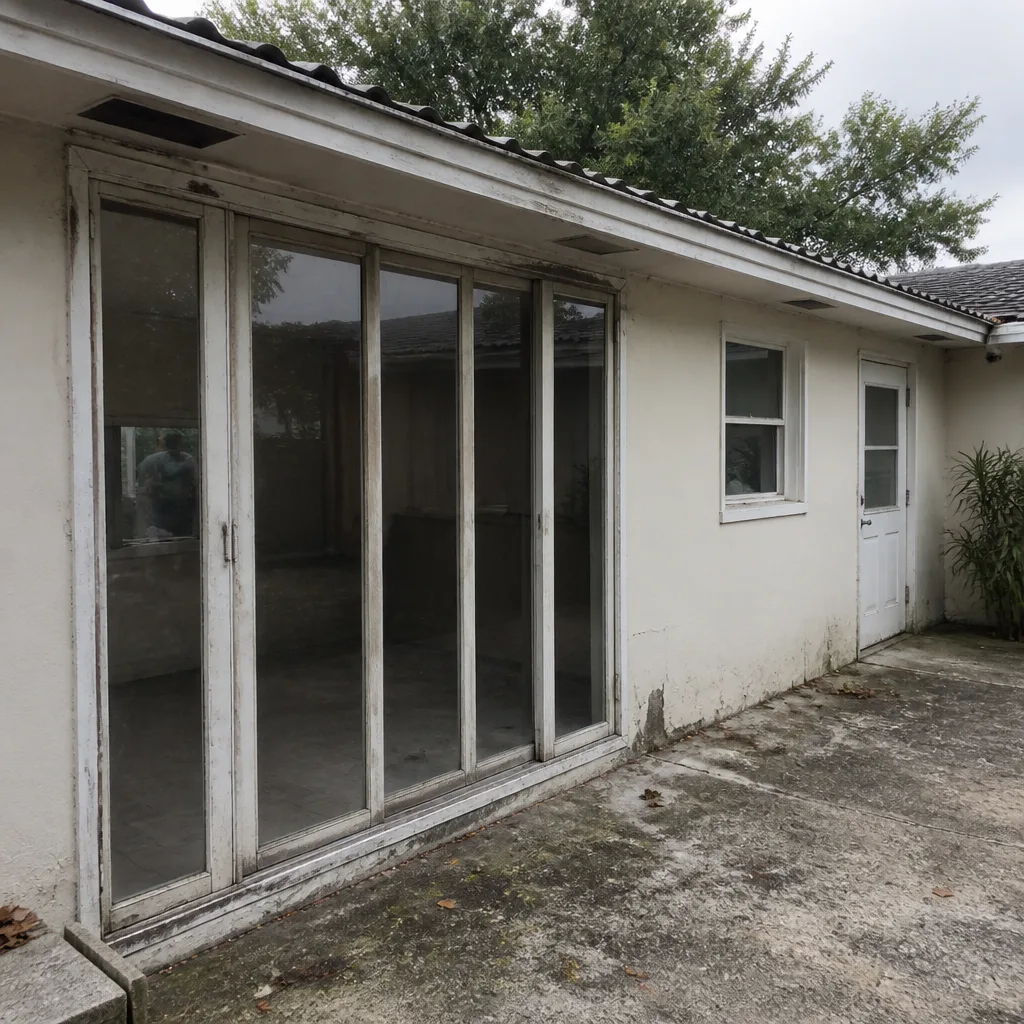 Before
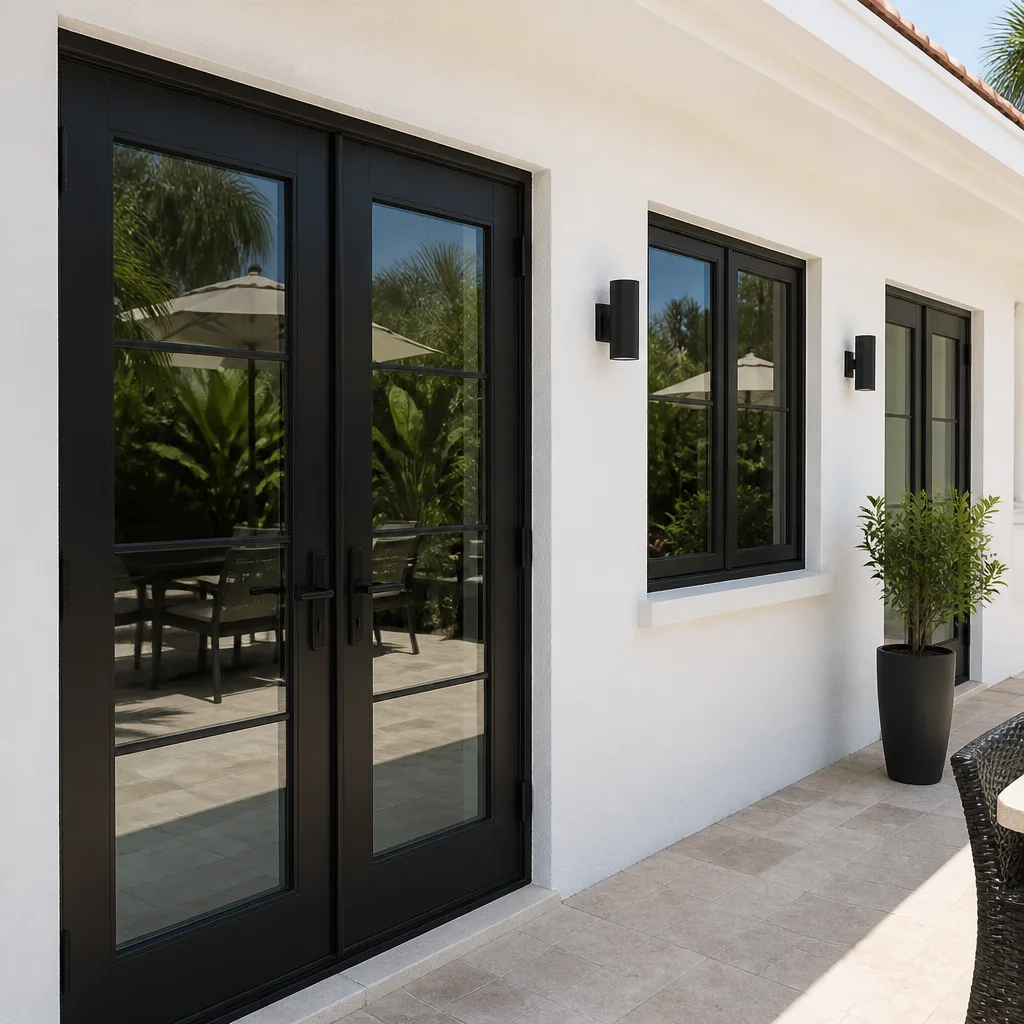 After
After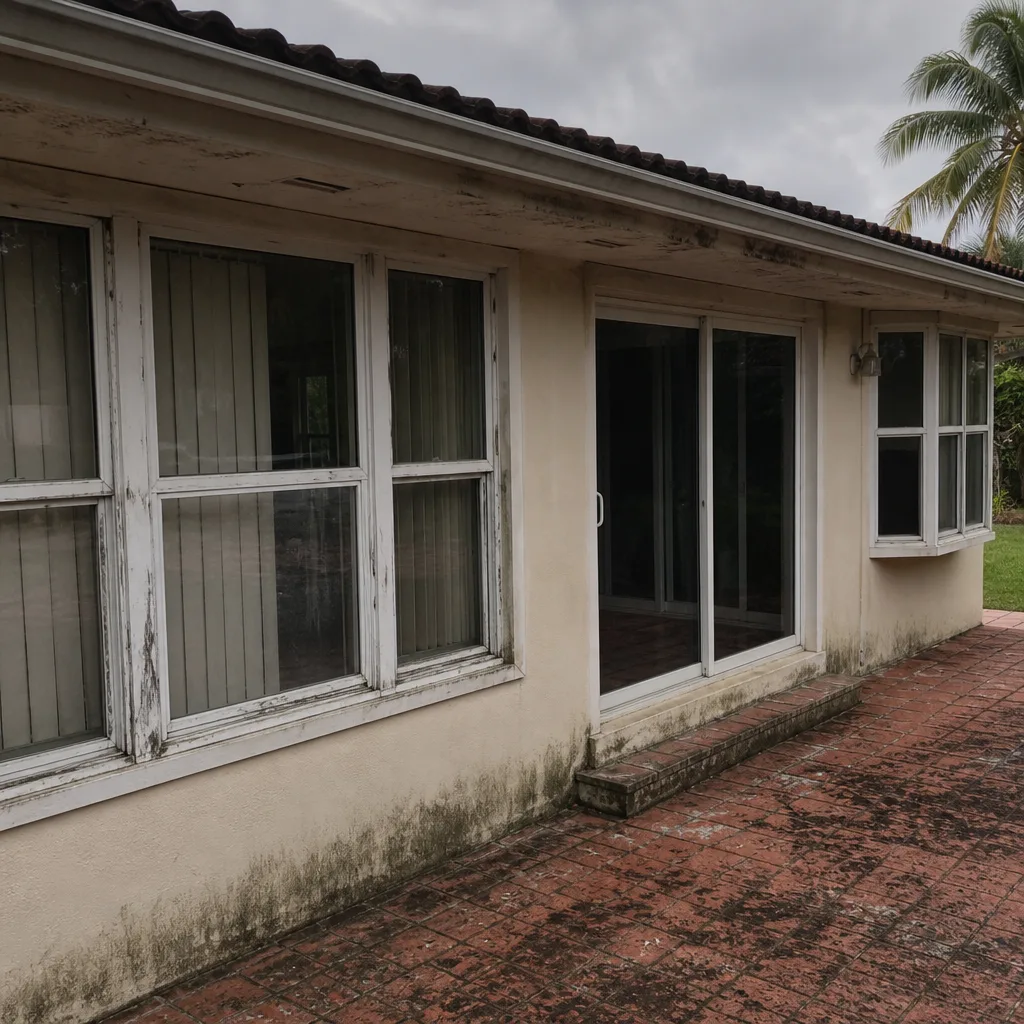 Before
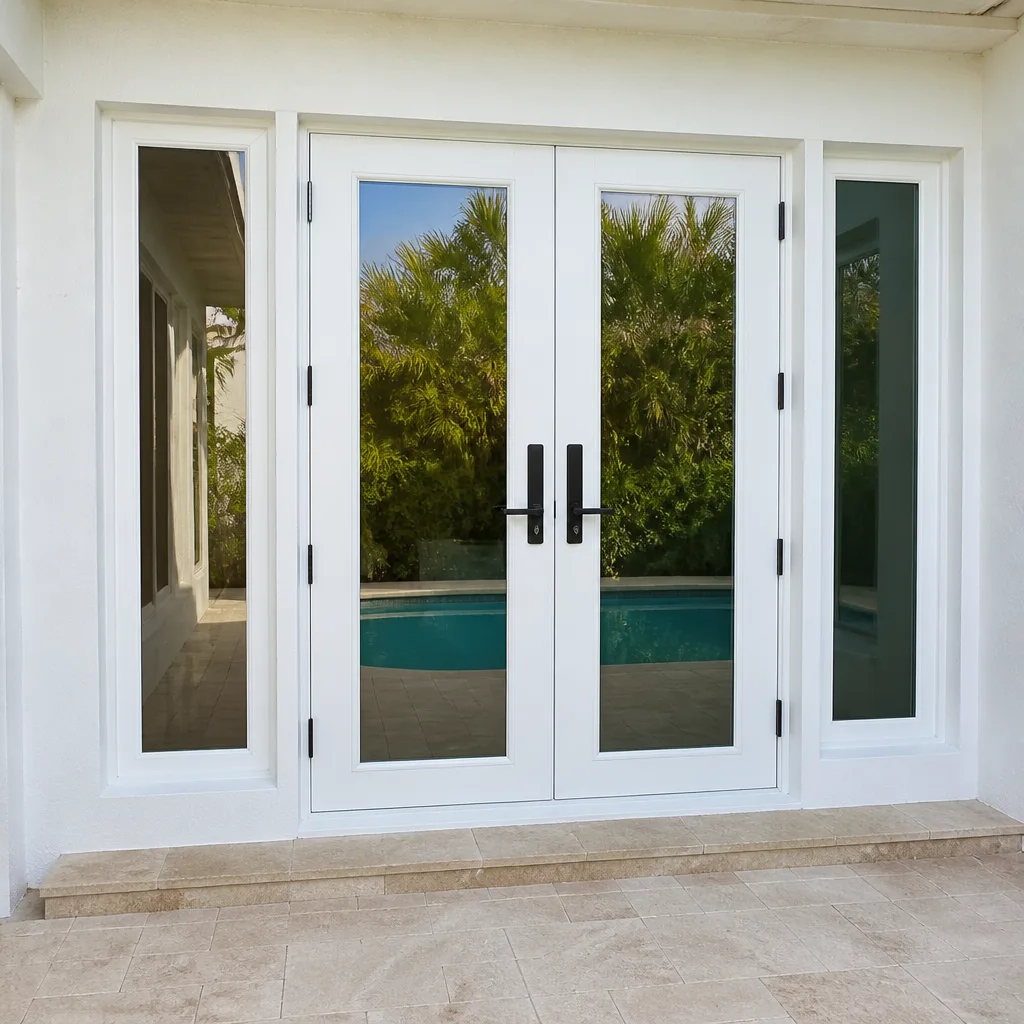 After
After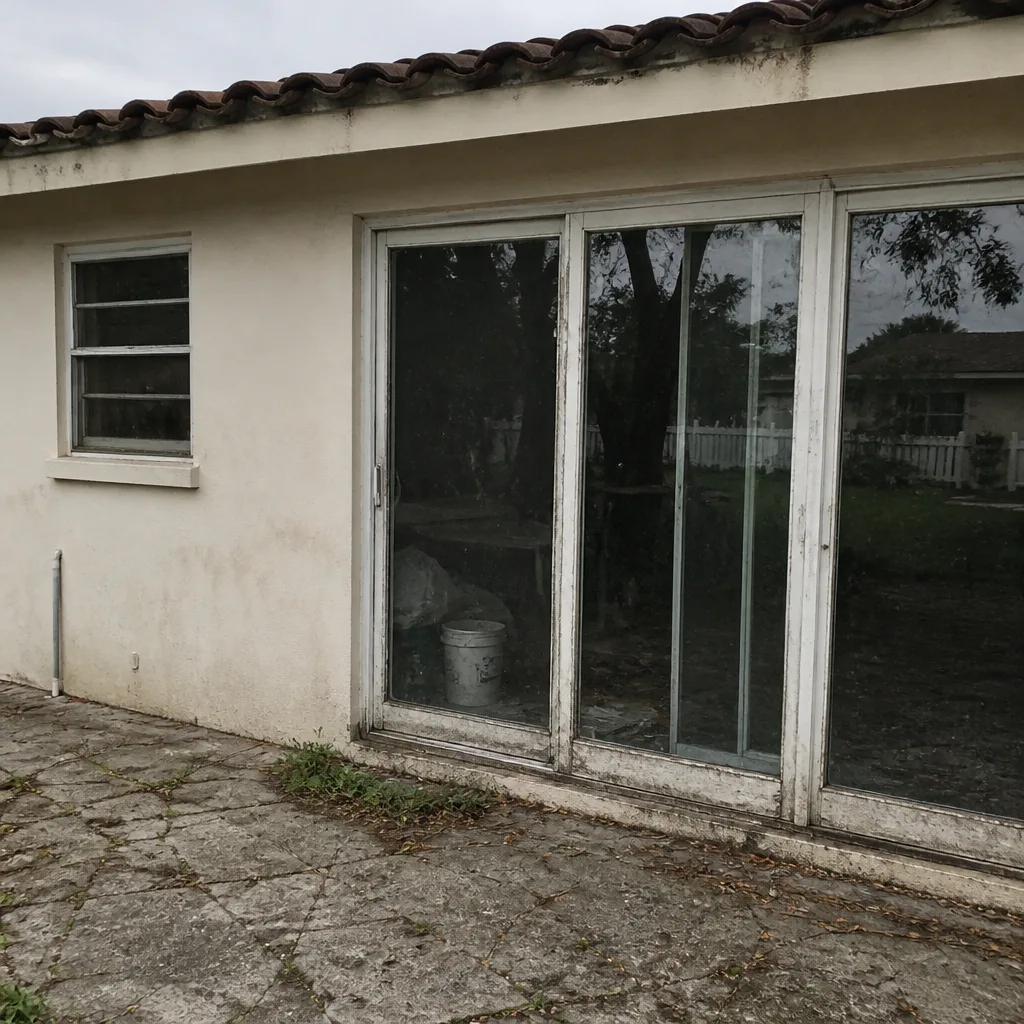 Before
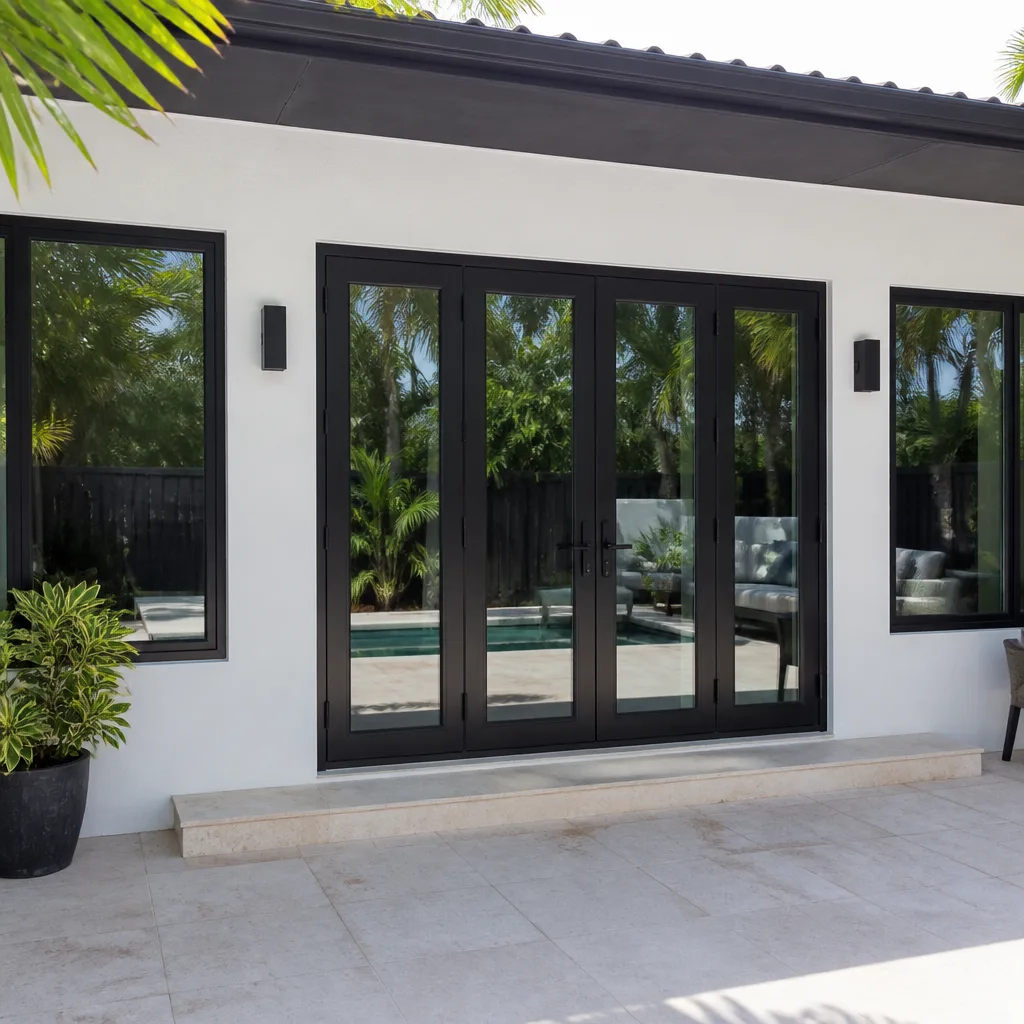 After
AfterImpact Windows Maintenance Checklist for Miami Homeowners
The laminated interlayer in impact glass, the layer that keeps the pane intact when a windborne 2×4 slams into it at 34 mph, can degrade silently from years of UV exposure and frame moisture intrusion. You won’t see it fail until you need it most, which in Miami means the week a named storm is churning through the Atlantic. Our Seasonal Windows & Doors Care for Miami: Year-Round Homeowner’s Guide walks through a season-by-season maintenance routine that catches the quiet failures before they become hurricane-night emergencies, covering the corrosion points, weep hole blockages, cleaning product mistakes, and hardware wear patterns we’ve documented across thousands of Miami homes since 2011.
Quick Answer
A proper Impact Windows services maintenance routine in Miami takes about 2 hours twice a year and covers four areas: cleaning the glass and frames with interlayer-safe products, clearing weep holes and drainage channels, inspecting the glazing seals and perimeter silicone for UV breakdown, and lubricating multi-point locking hardware with marine-grade lubricant. The schedule that works best for Miami’s climate is a full inspection every May (before hurricane season) and a lighter check every November (after the rainy season ends).
Table of Contents
- The Four Corrosion Points on Every Miami Impact Window
- How to Test Your Weep Holes and Why Blocked Drains Cause More Damage Than Storms
- The Right Cleaning Products for Impact Glass vs. Standard Glass
- Hardware Lubrication Schedule for Multi-Point Locking Systems
- What Healthy Glazing Tape and Perimeter Seal Should Look Like
- A Twice-Yearly Maintenance Schedule Built for Miami’s Climate
- Common Mistakes to Avoid
- When to Call a Professional
- Frequently Asked Questions
The Four Corrosion Points on Every Miami Impact Window
Salt air in Miami doesn’t announce itself. It settles into frame corners, rides the humidity into screw holes, and works its way under powder coating within three to five years if left alone. We’ve replaced frames in Coral Gables that looked pristine from the living room side but had aluminum oxide blooms eating through the bottom rail from the inside out. Here are the four specific spots to check on every window, in the order failures typically appear.
- The bottom rail weep slot corners. These are the lowest points of the frame, where salt-laden condensation pools before draining. Look for white, chalky residue or bubbling powder coating. That’s the earliest visible sign of aluminum corrosion starting.
- The interlocking meeting rails on horizontal sliders. These surfaces rub against each other every time the window opens or closes. The friction strips away protective coating, exposing bare aluminum to coastal air. Check for pitting or rough texture along the inside track.
- The hinge and roller hardware screws. Stainless steel screws in contact with aluminum frames create galvanic corrosion in salt environments. Look for rust staining around screw heads or a white crust forming where the screw enters the frame.
- The frame-to-sill junction at the exterior corners. Water and salt slurry collect here after every rain. Run a finger along the bottom exterior corner. If you feel bubbling or flaking, the powder coat has failed and the substrate is oxidizing.
What to do when you find early corrosion: clean the area with fresh water first, dry it thoroughly, then apply a marine-grade corrosion inhibitor to the affected spot. If pitting has already formed, the frame section needs professional attention before the structural channel weakens. In neighborhoods like Brickell and Key Biscayne, where buildings sit within half a mile of open water, we recommend checking these four points every three months instead of twice a year. The salt load is measurably higher, and the failure curve is correspondingly faster.
How to Test Your Weep Holes and Why Blocked Drains Cause More Damage Than Storms
Weep holes are the small drainage slots or rounded openings at the base of your impact window frame. Their job is to let water that collects inside the frame track escape to the outside. When they clog, water has nowhere to go but inward, over the interior sill and into drywall, flooring, or the wall cavity below. In our experience across Miami, blocked weep holes cause more interior water damage than direct storm-driven rain penetrating closed windows. The water from a blocked drain is slow, persistent, and accumulates over weeks of daily thunderstorms.
Here’s the 10-minute test we recommend for every window in the house:
- Pour about 8 ounces of clean water directly into the bottom track of the window frame from the inside.
- Watch the exterior weep holes. Water should flow out within 10 to 15 seconds.
- If water pools instead of draining, the weep holes are blocked or the internal drainage channel is compacted with debris.
- Clear the exterior weep hole openings with a small plastic tool or a pipe cleaner. Never use metal, which can scratch the frame and create a corrosion starting point.
- Flush the track again with clean water. If drainage is still slow, the internal channel needs compressed air blown through it.
Miami’s combination of daily afternoon thunderstorms from May through October, wind-borne sand from the beaches, and construction dust from ongoing development means weep holes clog faster here than almost anywhere else in Florida. Homes in Coconut Grove, with dense tree canopy dropping organic matter onto window sills, see particularly fast accumulation. Make weep hole testing part of your May pre-season checklist and repeat it in August, when storm activity peaks.
The Right Cleaning Products for Impact Glass vs. Standard Glass
This is where a lot of well-meaning maintenance goes wrong. Impact-rated glass uses a laminated interlayer, typically polyvinyl butyral (PVB) or ionoplast, sandwiched between two panes. That interlayer sits at the very edge of the glass where it’s sealed into the frame. Harsh solvents, ammonia-based cleaners, and even some popular commercial glass sprays can wick into the edge seal over repeated use and degrade the bond between the interlayer and the glass. You won’t see the damage immediately. What you’ll see, three or five years later, is clouding or delamination around the perimeter of the pane, which is irreversible.
What’s safe to use on impact glass:
- Mild soap and water. A few drops of dish soap in a bucket of warm water remains the safest cleaner for laminated impact glass. Use a soft microfiber cloth or sponge.
- White vinegar diluted 50/50 with water. Safe for the glass surface and effective on hard water spots from Miami’s sprinkler overspray. Apply with a spray bottle, wipe with microfiber.
- Invisible Glass by Stoner or Sprayway Glass Cleaner. Both are ammonia-free and widely used by glazing professionals on laminated glass. If you prefer a commercial product, these are the ones we’ve seen perform without edge-seal damage over years of use.
What to avoid:
- Any cleaner containing ammonia. Ammonia attacks the PVB interlayer over time and accelerates edge delamination.
- Razor blades or scraping tools on the glass surface. Scraping the edge zone of a laminated pane can nick the interlayer and create a delamination starting point.
- Pressure washers aimed at window frames or glass edges. High-pressure water forces moisture past the glazing seal and into the frame channel, where it starts corrosion you can’t see.
- Abrasive pads or powdered cleaners. These scratch the glass surface and compromise the factory coating on low-E impact glass, which is standard on most Miami installations.
If you’ve been using an ammonia-based cleaner on impact windows for years and want an assessment of the glass condition, that’s exactly the kind of inspection that made us build our Impact Windows in Miami evaluation process. A trained eye can spot early edge clouding before it spreads across the pane.
Hardware Lubrication Schedule for Multi-Point Locking Systems
Multi-point locking hardware on impact doors, and on casement and awning windows, is a precision mechanism. Three or five locking points move in sequence when you turn the handle, and each point rides in a track or engages a keeper that has to stay clean and lubricated. In Miami’s salt air, unlubricated hardware starts binding within 18 months and can seize entirely within five years. A seized multi-point lock on a hurricane-rated door is a security problem today and a storm-protection failure when the winds arrive.
Here’s the lubrication schedule we follow on every impact door we service:
- Every 6 months: Apply a marine-grade dry lubricant to all moving parts of the multi-point lock mechanism. Apply with the door open so you can access the full length of the edge.
- Same 6-month interval: Lubricate the hinge pivot points on the door, plus the roller wheels on sliding glass doors. A dry lubricant is the right choice, it goes on wet and dries into a protective film that doesn’t collect sand.
- Clean before lubricating: Wipe the lock track and keepers with a dry cloth first. Lubricating over debris creates a gritty paste that accelerates wear.
- Check the strike plate alignment while you’re there. If the door requires lifting or pulling to lock, the hardware is binding and the next six months will turn binding into breakage.
For marine environments like Miami, we recommend a dry film lubricant rather than WD-40. WD-40 is a penetrating oil and rust dissolver, not a long-term lubricant, and it leaves an oily residue that attracts dirt and sand. Products like Boeshield T-9 or DuPont Teflon Dry Film are designed for saltwater marine hardware and hold up far longer in coastal humidity. They’re also safe on powder-coated aluminum and stainless steel hardware.
For premium hardware systems like those on Therma-Tru impact doors, the same lubrication principles apply but the tolerance is tighter. Those multi-point mechanisms have less play in their design, so binding becomes noticeable sooner. If you feel any resistance in the handle throw beyond normal even after lubricating, the hardware is telling you it needs professional attention.
What Healthy Glazing Tape and Perimeter Seal Should Look Like
The glazing tape and perimeter silicone seal are the two barriers between your impact glass unit and Miami’s weather. Glazing tape sits inside the frame channel, bedding the glass unit. The silicone perimeter seal runs around the exterior edge where the frame meets the surrounding wall or stucco. When both are healthy, water and air stay out. When either fails, you get slow leaks that show up as interior staining, drafty corners, or rising cooling bills that no thermostat adjustment fixes.
Here’s what healthy looks like, and the three visual signs that resealing is overdue:
- Healthy glazing tape: Not visible from the exterior. The glass sits flush in the frame with a uniform gap, and there’s no wobble when you press gently on the pane from the outside. The tape is doing its job invisibly.
- Healthy perimeter silicone: A continuous, smooth bead along every exterior seam with no gaps, no peeling edges, and no discoloration. The bead should feel rubbery to the touch, not hard or chalky. Hard, chalky silicone has lost its flexibility and is no longer sealing.
Three signs resealing is overdue:
- Visible gaps or tears in the silicone bead. Any break in the continuous seal is a water entry point. Even a quarter-inch gap lets wind-driven rain into the wall cavity around the window.
- Interior condensation between the panes. This means the insulated glass unit seal has failed and moisture is inside the unit itself. The glass will need replacement, not just resealing.
- Silicone pulling away from the stucco or frame edge. When the seal loses adhesion on one side, it’s no longer sealing anything. This happens faster on south-facing and west-facing walls in Miami, where afternoon sun beats on the silicone daily.
Resealing is a precision job. The old silicone has to be fully removed and the surface prepared so the new bead bonds properly. Silicone applied over old silicone fails within months. That’s a core part of the work we do on our Window Replacement in Miami projects and standalone reseal service calls. The materials and surface prep matter as much as the application technique.
A Twice-Yearly Maintenance Schedule Built for Miami’s Climate
Miami has two seasons: hurricane season from June through November, and the dry season from December through May. Your impact window maintenance should follow that rhythm. Here’s the full checklist, organized into the two passes we recommend every year, with Windows & Doors Cost Breakdown: The Miami Homeowner’s Reference for 2026 details if you’re budgeting upgrades.
May: Pre-Season Full Inspection
- Test every weep hole with the water pour method described above. Clear any that drain slowly.
- Inspect all four corrosion points on every window frame. Treat early corrosion with marine-grade inhibitor.
- Clean all impact glass with mild soap and water or vinegar solution. Inspect edges for clouding or delamination while you clean.
- Lubricate all multi-point locks, hinges, and roller hardware with dry film marine lubricant.
- Inspect the perimeter silicone on every window and door. Mark any areas showing gaps, pulling, or hardening for professional resealing.
- Check operation of every window and door. They should open and close smoothly and lock without resistance. Binding now means failure during a storm when pressure differentials stress the frame.
November: Post-Season Check
- Re-test weep holes in windows that face prevailing winds. Storm debris and wind-blown sand accumulate fastest in those tracks.
- Re-clean glass and inspect for any new edge clouding or impact marks from debris thrown during the season.
- Re-lubricate hardware on the doors and windows you use most frequently. Daily use wears lubricant faster than the label claims.
- Check for frame deformation by closing each window and door and running a finger along the gap between sash and frame. The gap should be uniform. Uneven gaps mean the frame shifted, which can happen after a season of storm pressure cycling.
- Document anything changed. Photos dated in November give you a comparison point in May. You’ll spot slow deterioration trends a year before they become visible damage.
If that feels like a lot, it’s about two hours of work for the average Miami home. The alternative is discovering a failed impact window at 4 a.m. in September, with a storm 12 hours out and every glass company in South Florida already maximized. We built our Window Installation in Miami service around the idea that the moment before a storm is the worst possible time to discover your protection has quietly failed.
Common Mistakes to Avoid
- Using ammonia-based cleaners on impact glass. Windex and similar ammonia formulas wick into the edge seal and degrade the PVB interlayer over time. Switch to soap and water, diluted vinegar, or ammonia-free products like Sprayway.
- Painting over weep holes or blocking them with caulk. We see this constantly in Miami homes where a handyman repainted the exterior and buried the weep hole slots under a fresh coat. The window then drains inward, and the homeowner blames the window when the drywall stains appear.
- Ignoring slow drainage because “the window still closes.” Water pooling in the bottom track is actively corroding the frame and finding its way over the interior sill. Slow drainage is the early warning that a rapid failure is coming.
- Using petroleum-based lubricants on powder-coated hardware. WD-40 and similar penetrating oils soften powder coating and attract abrasive grit. Use dry film marine lubricants instead.
- Scraping glass edges with metal tools while cleaning. A razor blade in the edge zone of laminated impact glass nicks the interlayer and creates a delamination starting point. Keep scrapers away from the perimeter two inches of the pane.
- Waiting until hurricane season to check the windows. By June, the good window contractors in Miami are already booked weeks out for inspections and repairs. The May pre-season pass gives you time to fix issues before the rush and before the weather window closes.
- Assuming “impact-rated” means “maintenance-proof.” Impact windows are extraordinarily durable in a storm, but their long-term performance depends on the seals, hardware, and drainage staying healthy. The rating protects against impact, not against neglect.
When to Call a Professional
Some maintenance tasks are yours. Some need a trained eye and the right equipment. Call a professional if you see clouding or fogging between the panes, which means the insulated glass seal has failed and the unit needs replacement. Call if you find frame corrosion that has progressed beyond surface chalkiness into pitting or flaking. Call if a multi-point lock binds even after lubrication, or if the door requires lifting to engage the handle, both signs that hardware alignment has failed. Call if the perimeter silicone has visible gaps, hardening, or separation along any seam. And call if you’re not sure what you’re looking at, a second opinion costs less than a failed window. Winslow Windows & Doors home base is right here in Miami, and we offer free estimates, so call (863) 946-5039 and Ed or a member of the team will walk the property with you. No pressure, just an honest assessment of what’s healthy and what’s not.
Frequently Asked Questions
Twice a year is the right cadence for Miami’s climate: a full inspection and service pass in May before hurricane season, and a lighter check in November after the rainy season ends. Homes within half a mile of open water, like those in Key Biscayne or Brickell, should add quarterly checks on the four corrosion points due to heavier salt air exposure. Call (863) 946-5039 if you’d rather have us handle the inspection and build a maintenance schedule tailored to your home’s exposure.
No, you should not use Windex or any ammonia-based cleaner on impact-rated laminated glass. Ammonia wicks into the edge seal over repeated use and degrades the PVB interlayer bond, eventually causing permanent clouding around the pane perimeter. Use mild soap and water, a 50/50 vinegar solution, or an ammonia-free product like Sprayway or Invisible Glass instead. If your windows have years of ammonia exposure and you want them assessed, call us for a free evaluation.
You’ll see one of three things: condensation or fogging between the glass panes, which means the insulated unit seal has failed; visible gaps or peeling in the exterior silicone bead; or silicone that has turned hard and chalky instead of rubbery. All three indicate the window is no longer fully sealed against Miami’s weather and needs professional attention. Early detection matters because a failed edge seal on the interlayer eventually spreads across the full pane, and the repair cost grows with it.
Yes, the multi-point locking systems on impact doors and the hardware on casement and awning windows need lubrication every six months in Miami’s salt air environment. Use a dry film marine lubricant like Boeshield T-9 or DuPont Teflon Dry Film, not WD-40, which leaves an oily residue that attracts sand and grit. Binding hardware that doesn’t improve after lubrication needs professional realignment before it seizes entirely.
Weep holes are the small drainage openings at the base of your impact window frame that allow water collecting inside the track to escape to the outside. Blocked weep holes are the most common cause of interior water damage around windows in Miami because daily thunderstorms constantly feed water into the frame tracks. Test them by pouring water into the track and confirming it drains outward within 15 seconds. Slow drainage means the internal channel is clogged and needs clearing before water backs up over the interior sill.
If the frame is structurally sound and the only failure is the glass unit, glass replacement is typically possible and less expensive than a full window replacement. However, if the frame shows corrosion, deformation, or hardware failure, replacing the glass only addresses part of the problem. The right answer for your specific windows comes from an inspection. Our Window Replacement in Miami service includes an honest assessment of whether glass-only replacement makes sense for your home or whether the frame needs to go too.
The Bottom Line
Impact windows in Miami earn their keep every hurricane season, but only if the silent systems, weep holes, edge seals, locking hardware, and interlayer bonds, stay healthy between storms. The maintenance routine that keeps them working is simple: two structured passes a year, marine-grade products, salt-air awareness, and the discipline to fix small problems before they become storm-night failures. Most of the work is within reach for a homeowner with an afternoon and the right checklist. For more guides & resources, explore our blog. When you find something that exceeds your comfort level, or when your windows are 10-plus years old and have never been professionally inspected, a free second opinion from someone local and accountable is the smart move. Ed’s name is on the door, and on every job we do. The one down the road.
Written by Ed Winslow, Owner at Winslow Windows & Doors, serving Miami since 2011.
Six Reasons Homeowners Choose Winslow Windows & Doors
Impact systems engineered to design pressures up to +/-100, matched to your wind zone - your openings hold when the storm arrives.
Low-E insulated impact glass from our manufacturer lines commonly cuts monthly cooling bills 20-30%.
Laminated impact glass shuts out up to 40% of outside noise - traffic, neighbors, weather.
Monitoring services run $30-90 a month. Laminated impact glass resists forced entry around the clock, with no subscription.
Florida homeowners average around 25% savings on the windstorm portion of their policy after protecting every opening - some homes qualify for more.
A full impact package upgrades curb appeal, buyer confidence and appraised value in one project.