
Last updated August 27, 2026
Free in-home measure and quote - PGT, CGI and CWS impact lines compared on your actual openings, style by style
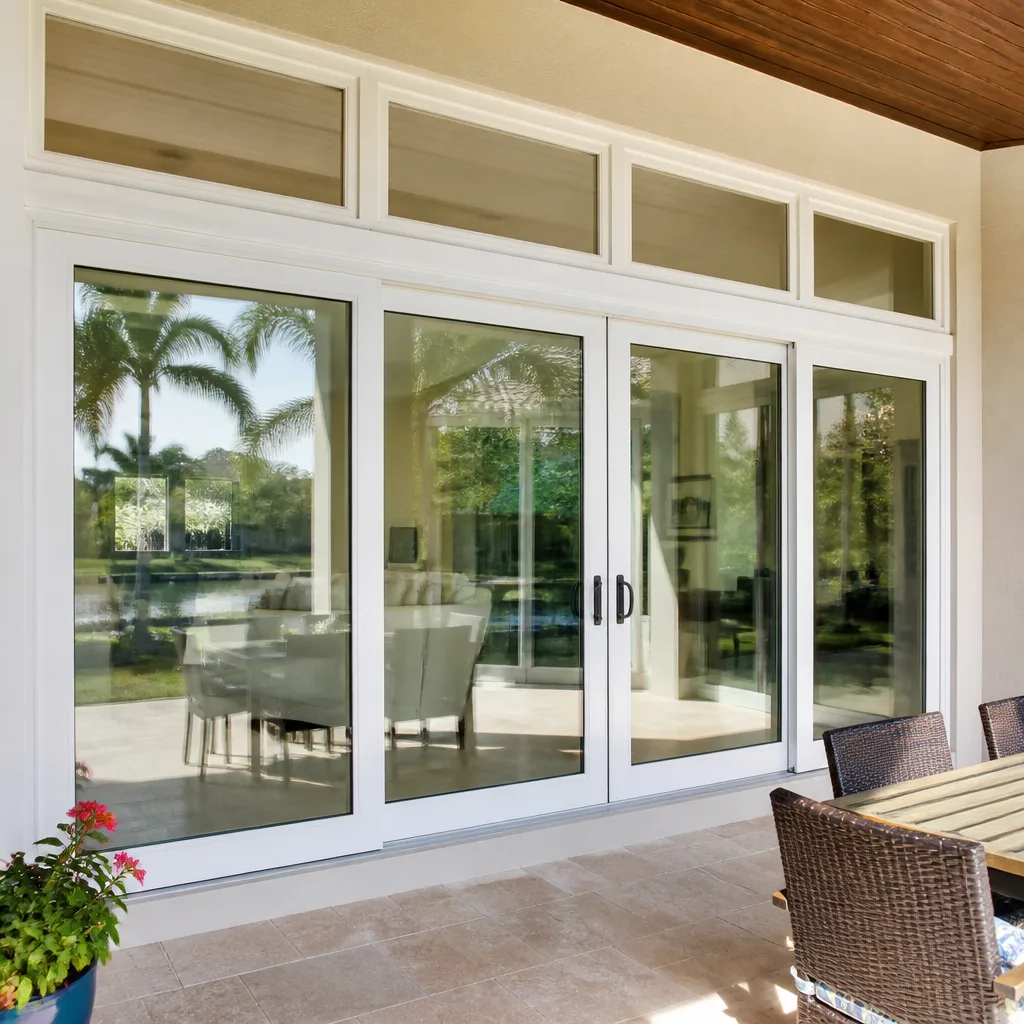
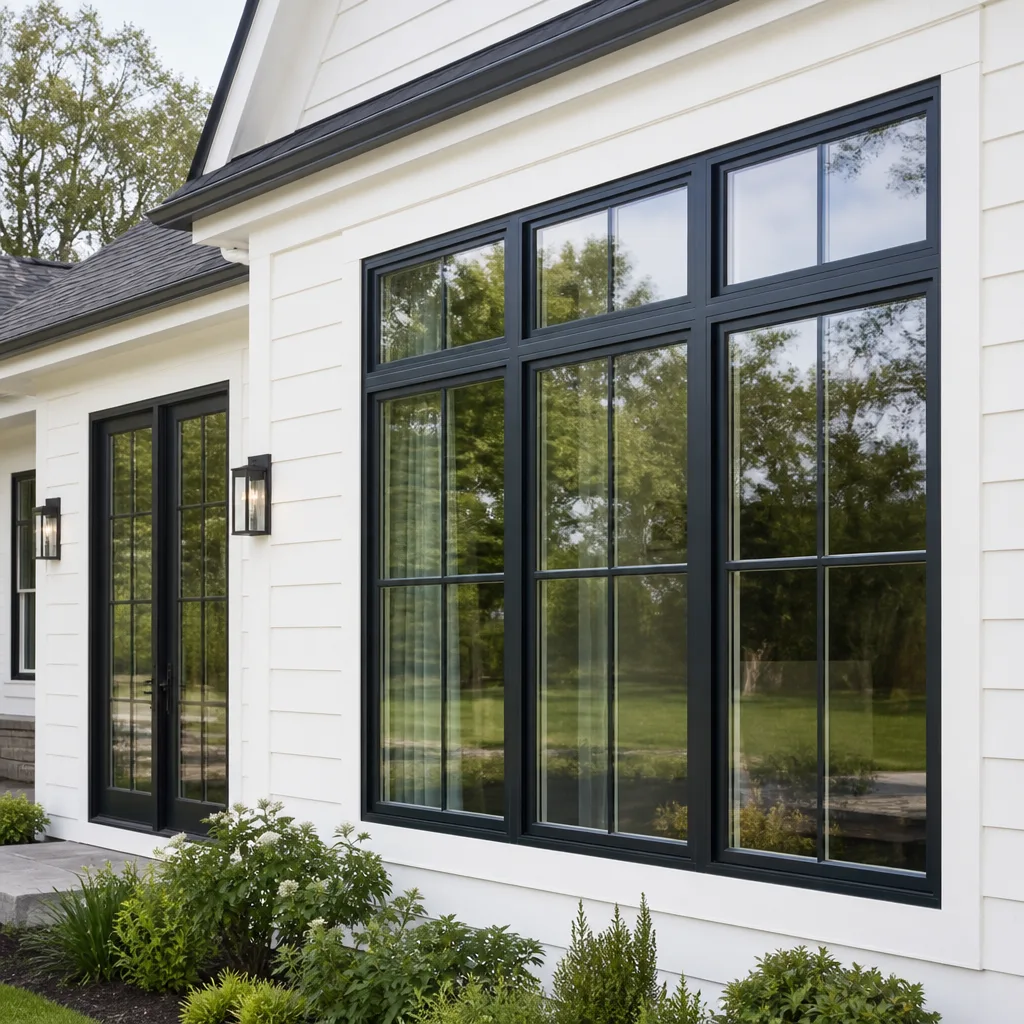
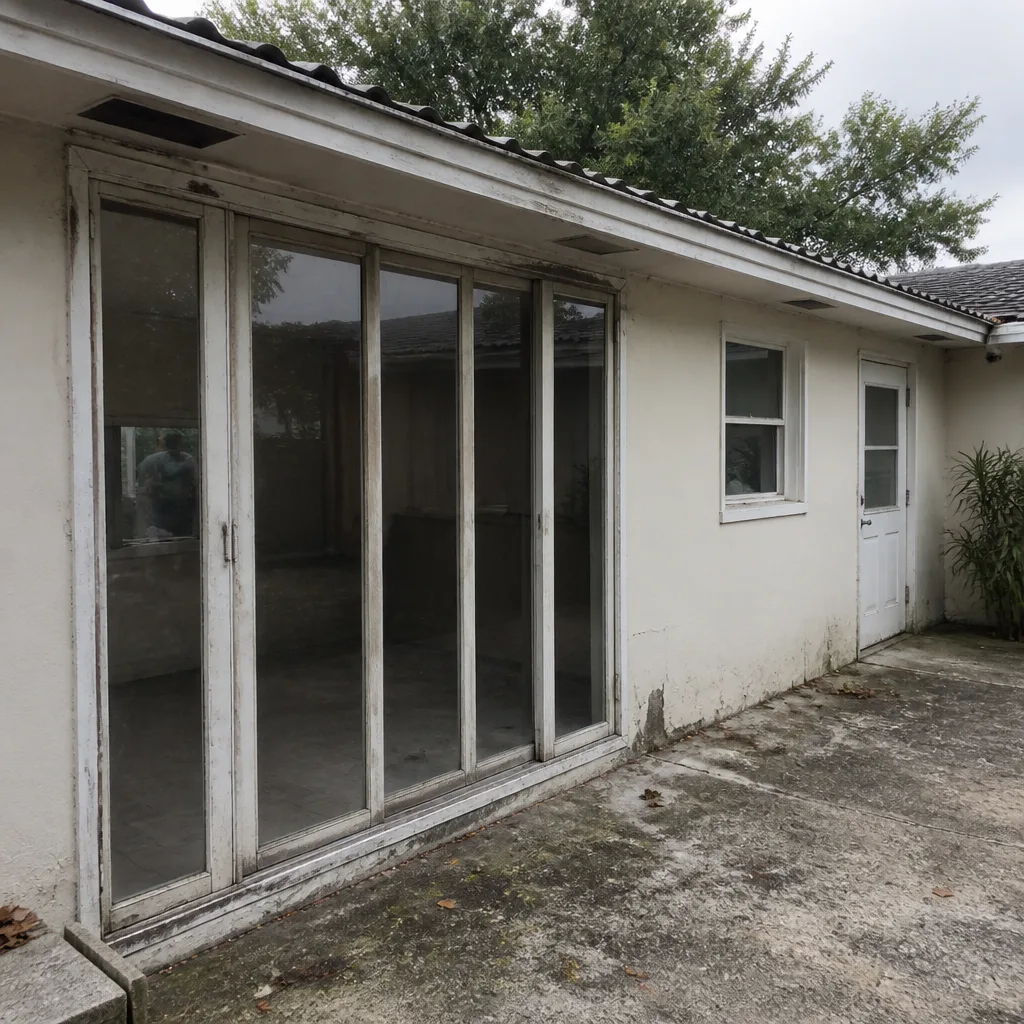 Before
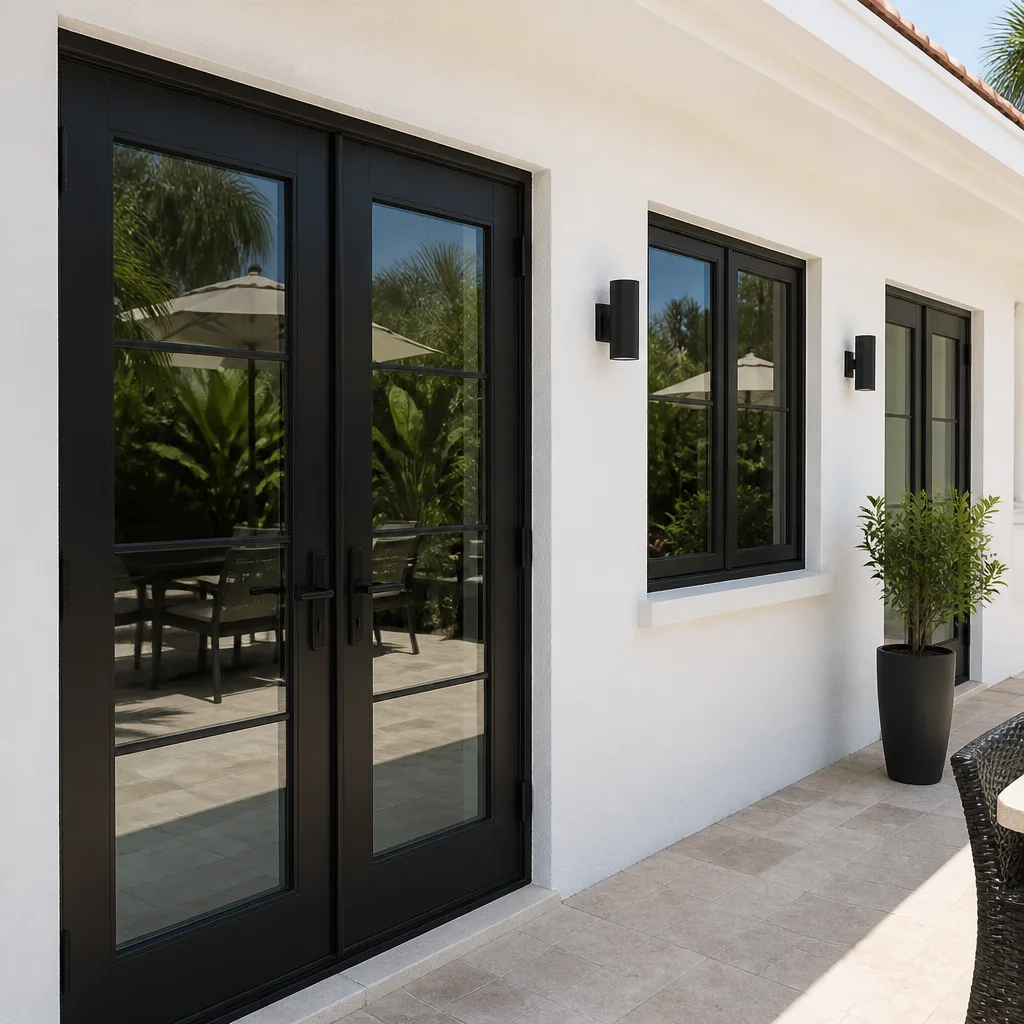 After
After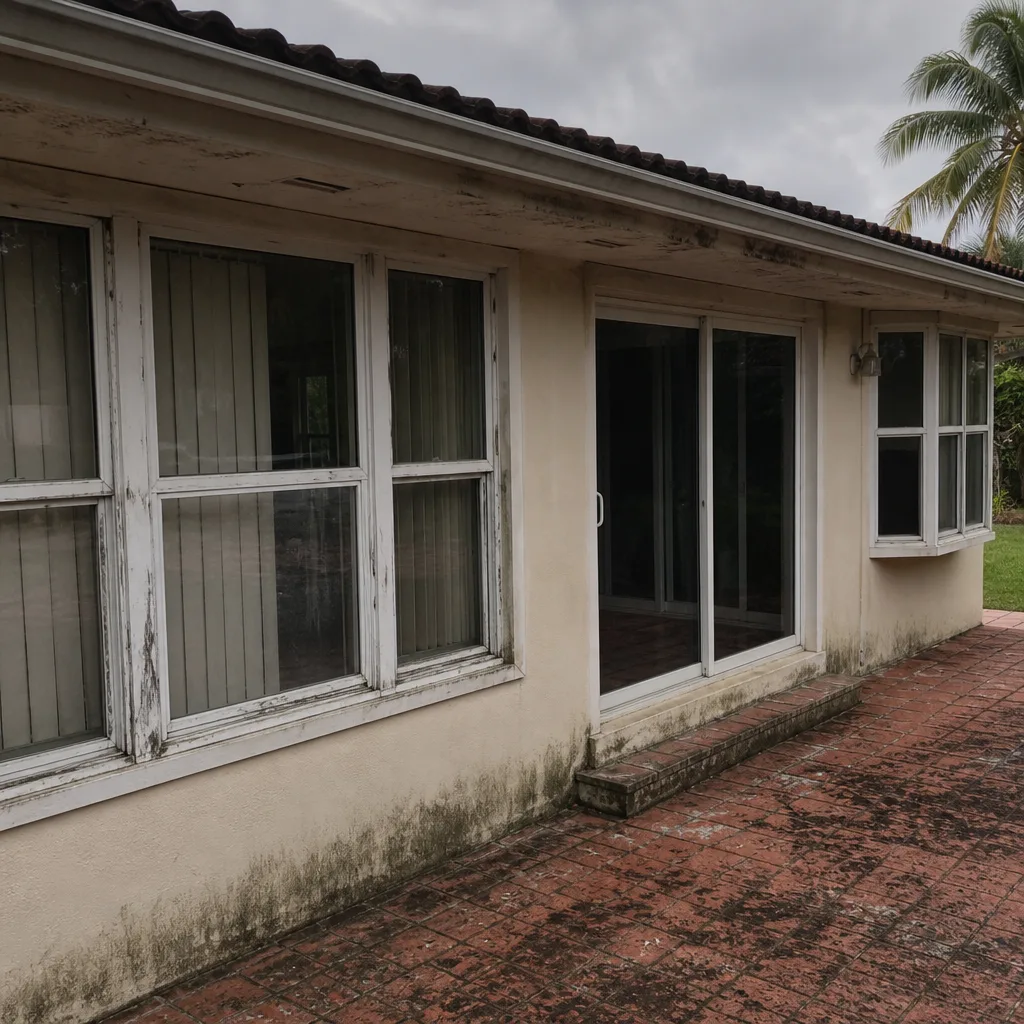 Before
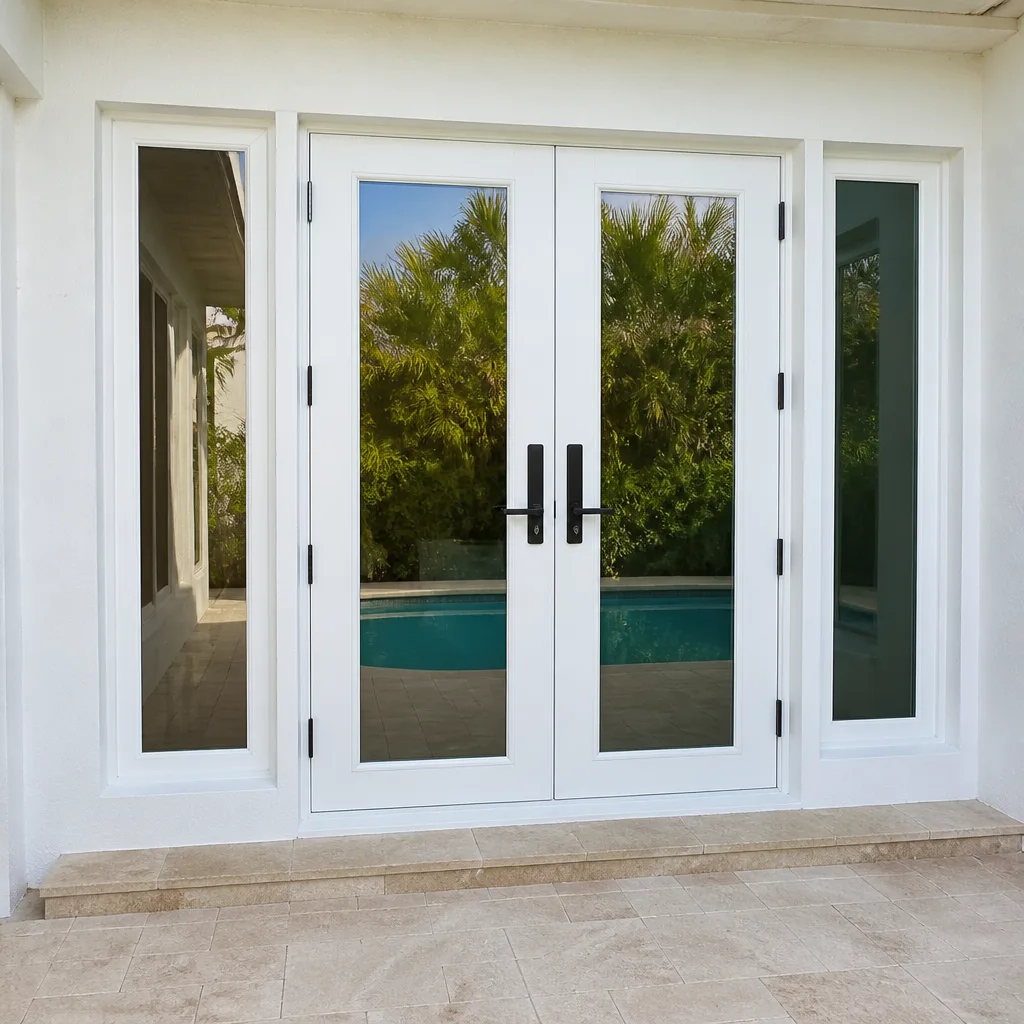 After
After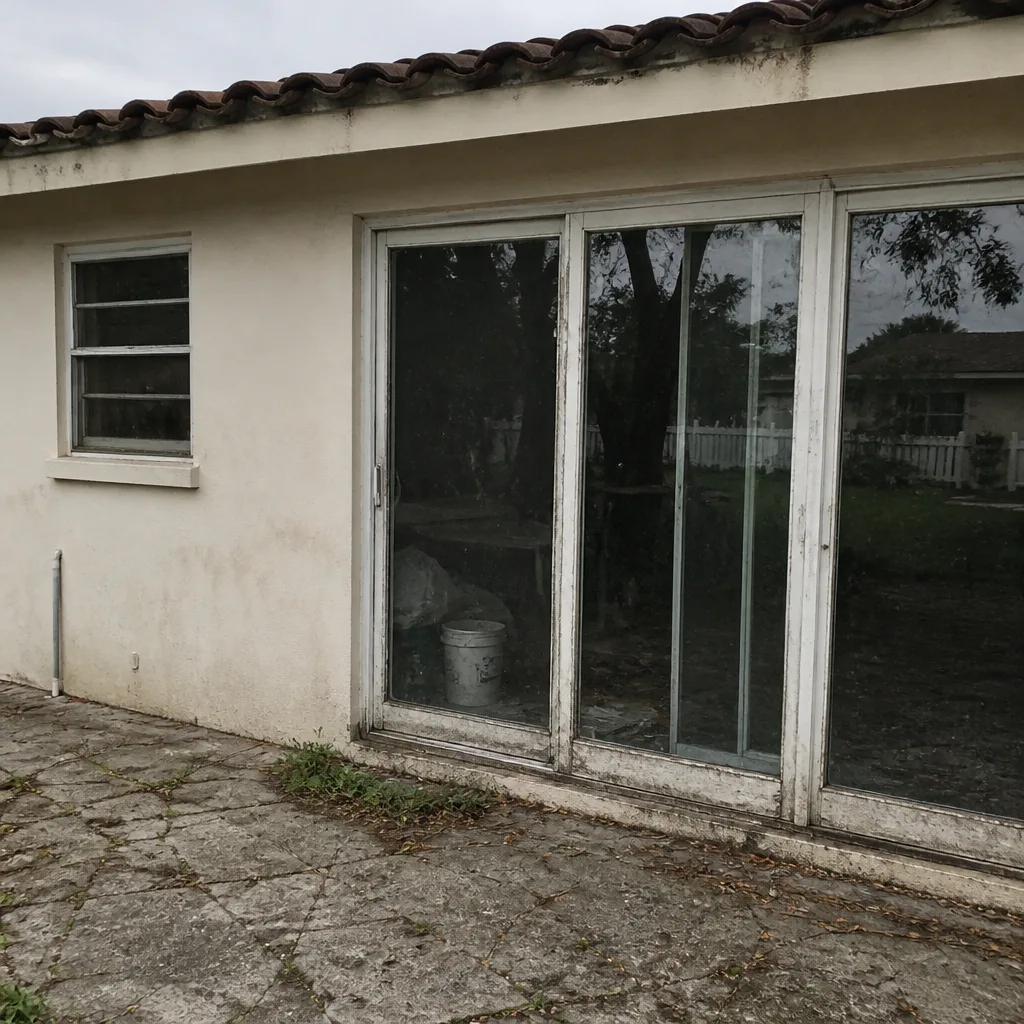 Before
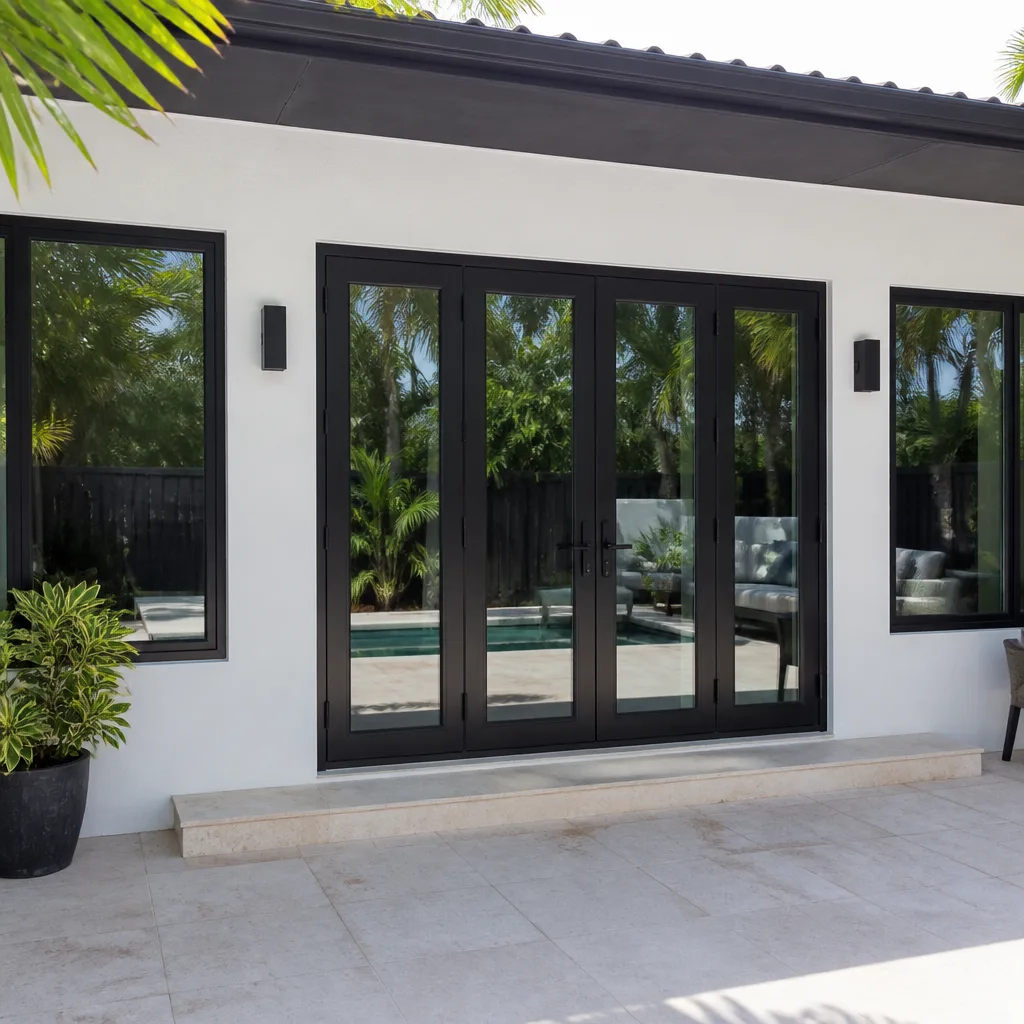 After
AfterWindows & Doors Warning Signs: A Miami Homeowner’s Reference Guide
Most Miami homeowners discover window and door problems during a storm, an insurance renewal, or a home sale inspection. Those are the three worst moments to find out. By then, a $200 weatherstripping fix has become a $4,000 frame replacement, an insurance policy won’t renew without new impact glass, and a buyer wants $12,000 knocked off the price for something you could have caught eighteen months earlier. Here’s the counterintuitive truth about Miami homes: your windows and doors talk to you constantly. They telegraph exactly what’s wrong through condensation patterns, lock resistance, daylight gaps, and chalky residue. This guide teaches you to read those signals before a forcing event reads them for you. We’ve spent over a decade repairing and replacing windows and doors across Miami, and the patterns we see are remarkably consistent. Learn them once and you’ll never be surprised at the worst possible time again.
Quick Answer
The most common window and door warning signs in Miami are condensation between glass panes (failed seal), visible daylight around closed doors or window sashes (frame movement or worn weatherstripping), difficulty locking or operating hardware (corrosion, frame shift, or hinge binding), water staining at frame corners (moisture infiltration), and chalky or pitted material surfaces (UV and salt degradation). In Miami’s tropical climate, any of these signs appearing together usually means water is already entering the wall cavity, not just the visible surface. Address seal failure and visible daylight within 60 days; anything involving water staining or compromised impact glass needs professional assessment within a week.
Table of Contents
- Condensation: Normal Humidity vs. Failed Seal
- Daylight, Drafts, and Water Stains: What They Actually Mean Structurally
- Impact Glass Damage You Can’t See From Either Side
- The Five Miami Hardware Warning Signs
- Contractor Problem vs. Product Problem: Who Pays Under Florida Law
- Why Miami’s Climate Accelerates Every Warning Sign
- The 15-Minute Seasonal Window and Door Inspection
- Common Mistakes to Avoid
- When to Call a Professional
- Frequently Asked Questions
Condensation: Normal Humidity vs. Failed Seal
Condensation on a window or door glass is either completely harmless or the single clearest sign that the insulated glass unit has failed. Telling the difference takes about five seconds, and it determines whether you need a new unit or a dehumidifier. Here’s how to read it correctly.
Condensation on the room-facing surface of the glass
This is normal in Miami. Our indoor humidity runs high most of the year, and when cool air-conditioned interior air meets warm glass, moisture forms exactly the way it does on a cold drink can. You can wipe it away with a finger. The window is doing its job: keeping outside heat out, inside cool in. No repair needed. What it can tell you is that your home’s indoor humidity is higher than ideal, which is a whole-house ventilation or AC question, not a window question.
Condensation between the panes of a double-pane or impact window
This is seal failure, and it means the insulated glass unit has lost its hermetic seal. The inert gas between the panes has leaked out, and Miami’s humid air has leaked in. When you see fog, haze, or water droplets you cannot wipe away because they’re inside the glass assembly, the insulating value of that window is permanently compromised. In a single-pane home this phenomenon doesn’t exist. In a modern Miami home with impact windows in Miami, failed seals reduce energy efficiency and, over time, the moisture inside the unit can etch mineral deposits into the glass that never clean off. The fix is replacing the insulated glass unit, typically $180 to $450 per pane depending on size and whether it’s impact-rated. When we’re called out for this, we look at the age of the windows. If three or more units have failed seals, the cost of replacing individual IGUs approaches the cost of new glass across the home, and that’s when a conversation about window replacement in Miami becomes honest math, not an upsell.
Daylight, Drafts, and Water Stains: What They Actually Mean Structurally
When a homeowner says “I can see daylight around my front door,” most assume the fix is new weatherstripping. Sometimes it is. But in Miami, where we get 60-plus inches of rain a year and intense UV exposure, visible daylight is just as often a signal that the frame itself has moved, or that moisture has been quietly eating the rough opening for years. Understanding severity levels tells you what’s urgent and what can wait.
Severity Level 1: Watchable
- Daylight visible only at the very corner of a door where the sweep meets the threshold, or a pencil-thin line along one edge of a window sash. This usually means worn or compressed weatherstripping. Fix: replace the strip. Cost: under $100 per unit, often a same-day repair.
- A draft you feel with the back of your hand on an older wood window, but no visible gap. This points to worn sash channels or deteriorated glazing putty. Fixable with targeted repairs if the frame is sound.
Severity Level 2: Act Within 30 to 60 Days
- Daylight visible along the top or bottom rail of a window or door slab on one side only, with the unit sash or slab appearing slightly tilted in the frame. This suggests hinge wear, roller wear on sliding doors, or minor frame settling. The unit still operates, so it’s easy to ignore. But the gap is letting conditioned air out and humid Miami air in. Your AC runs harder, and over time, moisture accumulation begins in the wall cavity. Repairs are still cost-effective at this level: realigning hinges, replacing rollers, or shimming the frame.
- Water staining at the interior bottom corner of a window or door frame, dry to the touch, no active leak. This means water has entered the wall at some point. The source could be failed exterior caulking, a missing corner seal, or improper flashing at installation. Since the stain is dry, the active leak may have stopped or may be intermittent. However, the fact that water penetrated means the frame-to-rough-opening seal is compromised. In a Miami home, this is a red flag that warrants an inspection. If you have an old window installation in Miami from a previous owner or installer, improper flashing is the single most common cause we find behind those corner stains.
Severity Level 3: Urgent, Call This Week
- Soft or crumbly drywall or plaster around a window or door frame, especially at the sill. This means rot or mold is active in the wall cavity. Poke it gently with a screwdriver. If it yields or if you smell mustiness, moisture is present and has been for some time. The repair scope expands beyond the window or door to the rough opening itself, and may require reframing.
- Visible water running or beading on the interior side of the frame during or after rain. Active water intrusion is an emergency. Florida building code requires that window and door openings resist wind-driven rain. If water is entering during normal rainfall, the fenestration is failing and the wall is being damaged each time it rains. This is not a caulk-and-pray situation.
- A sliding glass door or French door that will not close squarely in its frame, even after lifting and aligning. This usually indicates the header is sagging or the floor has settled such that the rough opening is now out of square. The opening, not the door, is the problem.
Impact Glass Damage You Can’t See From Either Side
Impact-rated windows and doors use a laminated glass construction: two panes of glass with a plastic interlayer bonded between them, similar to a car windshield. The whole point of the interlayer is that it holds the glass together when struck, preventing windborne debris from breaching the building envelope during a hurricane. But here’s what most Miami homeowners don’t realize: impact glass can take a strike hard enough to compromise the interlayer while leaving both glass surfaces completely unbroken. There is no visible crack from inside or outside. The result is a window that looks fine but no longer provides the impact protection you paid for and that your insurance company is counting on.
This happens when a heavy object (a falling tree limb, a lawnmower-flung rock, a golf ball from a nearby course) strikes the glass with enough force to fracture one or both glass plies, but not enough for visible breakage. The bond between glass and interlayer can separate microscopically. The unit still looks intact. Under the next hurricane-force impact, it may fail catastrophically.
How to check:
- Run your fingernail across the glass surface on both sides. If you feel a raised line, snag, or groove your nail catches on, that’s a fracture, even if you can’t see it. In bright Miami sunlight, fractures can be nearly invisible to the naked eye.
- Shine a flashlight at a shallow angle across the glass at night. A compromised lite will often show a reflection distortion or a faint iridescent shimmer at the impact point, even when no crack is visible straight-on.
- Look for a “bullseye” pattern from the outside under direct sun. Impact strikes often leave a subtle circular compression mark in the glass, especially on CGI and PGT laminated products. It’s not a crack; it’s a stress point. That’s your sign the lite has been struck hard.
- Check the perimeter seal around the edge of the glass. If the window was struck hard enough to flex, the sealant around the insulated glass unit may have separated from the frame. A clean, even bead that’s now gapped or peeling in one spot tells you the unit moved.
If you find any of these signs, the window should be evaluated by a professional who knows impact glazing. The repair is generally a new insulated glass unit with fresh impact-rated lamination, not a whole new window frame. But don’t wait until hurricane season to check. May is too late.
The Five Miami Hardware Warning Signs
Hardware tells you things before anything visibly breaks. In Miami’s coastal environment, metal and synthetic materials degrade in predictable, diagnosable ways. Learn these five patterns and you’ll spot a problem six months before it locks you out or lets water in.
1. Salt-Pitted Lock Bodies
Even homes a mile inland get salt in the air. It settles invisibly on metal, then humidity activates it. The zinc or pot-metal lock bodies found on many builder-grade windows and doors begin to pit, showing tiny white or gray craters on the surface. The lock still works. Then one day the internal cylinder or spring assembly binds, and the key won’t turn or the throw bolt won’t retract. This becomes an emergency exit problem in a storm. Higher-end hardware from Therma-Tru and similar manufacturers uses marine-grade stainless steel internals precisely for this reason. If your lock bodies show pitting, replace them before they seize, not after.
2. Galvanic Corrosion at Fastener Points
Look at the screws and hinges on the exterior face of your doors and windows. In Miami, you’ll often see rust bleeding from the screw heads, or a white crystalline crust around them. This is galvanic corrosion: the contact between two dissimilar metals (an aluminum frame and a steel screw, for instance) in the presence of salt moisture creates a miniature battery that eats the metal. Left alone, the screw eventually snaps or the frame material around it degrades. This is the single most common reason a door handle pulls loose or a hinge plate separates from a jamb. The fix is replacing the fasteners with the correct type and sealing the contact point.
3. Hinge Binding from Aluminum Oxidation
Aluminum oxidizes differently than steel. It doesn’t rust red; it forms a white, powdery surface layer that’s actually protective on flat exposed surfaces. But inside the moving joint of a hinge or the track of a sliding door, aluminum oxide powder acts as an abrasive. Hinges that were smooth begin to grind and bind. Sliding doors that rolled easily now take a shoulder to move. PGT and ECO Window Systems hardware is designed with corrosion-resistant coatings, but even premium products need the tracks cleaned of oxide powder periodically. If you hear grinding or the door binds at one point in its travel, the oxide has built up and the metal is wearing. In coastal Miami homes, we recommend cleaning aluminum tracks every three to four months with a dry brush, never lubricants that trap salt.
4. Swollen Wood Sills
The bottom edge of a wood window or door that gets direct afternoon rain exposure in Miami will, eventually, absorb water. You’ll see it first as a darker patch at the edges, then as raised grain, then as actual warping that makes the sash or door stick. The window or door is no longer sealing properly even if it looks fine from a foot away. Swollen sills are the canary in the coal mine for exterior wood. If caught early, the fix is drying and resealing or replacing the sill. If ignored, rot follows, and rot in a Miami wall spreads.
5. Vinyl Frame Chalking
Vinyl windows get a chalky white residue on their exterior surfaces after years under the Miami sun. That’s the PVC compound slowly breaking down from UV exposure, releasing the titanium dioxide filler to the surface. Chalking alone is cosmetic and not a structural problem. But heavily chalked vinyl is often accompanied by embrittlement at the corners and along the weld lines, where the frame is most stressed. Push gently on the frame corner. If you hear or feel any give, the vinyl has lost structural integrity. At that point, the window’s air and water performance is degrading. Newer products like those from Mr-Glass use UV-stabilized compounds that slow this dramatically, but Miami’s sun eventually wins most arguments.
Contractor Problem vs. Product Problem: Who Pays Under Florida Law
When a window or door leaks, jams, or fails, the first question a homeowner asks is “what’s wrong?” The second question, the one that actually matters for their bank account, is “whose fault is it?” Under Florida law, the distinction between an installation defect and a manufacturing defect determines who is financially responsible, and that distinction is not always intuitive.
A manufacturer’s warranty covers the product: the glass, the frame extrusion, the hardware, the finish. If a PGT window arrives with a factory-failed seal or a defective lock mechanism, the manufacturer replaces the product or components according to their warranty terms. This generally does not cover labor, and it never covers damage caused by improper installation.
An installer’s workmanship warranty covers the installation: how the window was flashed, how it was sealed to the rough opening, whether it was anchored correctly, and whether the final product meets Florida building code. In Miami-Dade and Broward counties, impact products must be installed according to strict product approval documents. A window that’s the right product but installed without the correct anchoring or flashing is an installer problem, not a product problem, and it’s the installer who is legally responsible for the fix.
Here’s where Florida law gets specific. Under Florida’s construction defect statutes (Chapter 558), a homeowner has a defined timeframe to file a written notice of a construction defect against a contractor. There are also statutes of limitations on breach of contract and negligence claims. The key practical point: if your window is leaking because the installer skipped the head flashing, and you wait four years to make a claim, you may have waited too long despite the fact that the leak is ongoing. Document early. Photograph the leak. Save the repair invoices.
This is why the ownership structure of the company doing your installation matters more in Miami than in most markets. Ed Winslow’s name is on the door, and we’ve been doing impact window installation in Miami since 2011. If something we install isn’t right, it’s our responsibility under our 36500-Day Done Right Promise, not a ticket number in a corporate call center. That distinction is worth more than any warranty document.
Why Miami’s Climate Accelerates Every Warning Sign
Miami does not treat windows and doors gently. The combination of heat, humidity, salt air, intense UV radiation, and wind-driven rain creates the most demanding fenestration environment in the continental United States. What might be a ten-year-wear item in a northern climate becomes a three-year-wear item here. Specific to Miami:
- UV index: Miami regularly sees UV index values of 10 or higher for much of the year. That’s extreme. The sun breaks down paint, vinyl, rubber gaskets, and caulking compounds at a rate that surprises homeowners who moved here from other regions.
- Thermal cycling: A window frame in Miami goes from 95-degree afternoon sun to 72-degree air-conditioned interior in a moment. The materials expand and contract daily. Over years, that cycling stresses the seals, the glazing, and the corner welds. A hairline crack that forms in a northern climate window after 15 years can appear in a Miami window in 6.
- Wind-driven rain: Summer storms don’t fall vertically in Miami. They come at an angle, driven by 30 to 50 mph gusts. This horizontal rain finds every micro-gap in a window or door assembly that a gentle vertical rain would never touch. That’s why Florida’s building code for fenestration is more demanding than almost any other state.
- Salt airborne penetration: Homes as far west as Kendall and Doral get measurable salt in the air, not just oceanfront properties. It’s invisible, but it’s there. It eats uncoated fasteners, pits lock bodies, and accelerates galvanic corrosion.
- High baseline humidity: Miami’s average humidity stays above 70 percent for most of the year. This means any water that enters a wall cavity dries slowly, if at all. Mold begins within 48 hours. The cost of ignoring a water-intrusion warning sign is higher here than it would be in Phoenix or Denver, which is why prompt attention to water stains isn’t alarmism; it’s financial math.
The 15-Minute Seasonal Window and Door Inspection
This is the inspection we recommend every Miami homeowner do twice a year: once before hurricane season starts in June, and once in December after the worst of the heat has passed. It takes 15 minutes and costs nothing. Walk your home in this order:
- Close and lock every window and door in the house. Don’t skip the ones you never use. Lock resistance tells you about frame movement. If a lock was easy in March and binds in May, something shifted.
- Run your hand along every window sill and door threshold, inside and out. You’re feeling for moisture, softness, or crumbling material. Your hand will find what your eye skims past.
- Look at the caulking and sealant lines around every exterior frame. Cracks, gaps, or peeling sealant on the exterior is an open invitation for wind-driven rain. Re-caulk any compromised line before the rainy season.
- Test every sliding door and window for smooth operation. Grinding, binding, or sticking that wasn’t there before means oxidation, roller wear, or frame movement.
- Check for daylight around every closed door and window from the interior on a sunny day. Turn off the room lights and look at the perimeter of each unit. Any light is a gap. Any gap is an air and water path.
- Check for condensation between panes on double-pane and impact windows. Look at each window from a side angle. Hazy or foggy units are failed seals, even on newer impact products.
- Inspect hardware for pitting, rust, white crust, or discoloration. Salt and corrosion are working on the metal even when the door is never opened. This is especially true for the guest bathroom window you haven’t touched in six months.
Do this twice a year and you will catch the vast majority of window and door problems while they are still small, inexpensive repairs. The homeowners who call us with rotted sills and failed impact units are almost always the ones who skipped the walkaround for several seasons.
Common Mistakes to Avoid
- Caulking over rotted wood or failed sealant instead of removing it first. Caulk is a surface seal. If rot or a failed gasket is underneath, you’re sealing the outside so the moisture stays trapped inside, accelerating the damage. Remove the bad material, then seal.
- Assuming a window that “still opens” doesn’t need attention. Operation is only one function. A window can open smoothly while the perimeter seal has failed and water is entering the wall cavity. Look at seals and daylight, not just whether the sash moves.
- Using spray lubricants on aluminum sliding door tracks. Lubricants trap the fine salt and oxide powder that Miami air constantly deposits, creating a grinding paste. Dry-brush the tracks instead.
- Ignoring a window that fogs up occasionally. Intermittent between-pane fog is seal failure, not a mystery. It means the unit breathes humid air. Once the seal fails, it does not heal. The occasional nature is just Miami’s humidity cycling through the leak.
- Waiting to replace impact glass because “there’s no crack.” As covered above, impact glass can be compromised without visible breakage. After a major wind event, check every lite yourself or call a professional for a check.
- Replacing a window or door without asking what the rough opening condition is. If the framing is soft or the opening is out of square, installing a new unit into a bad hole just moves the date of the next failure. A reputable installer will tell you the opening needs repair before the new unit goes in.
- Assuming any condensation on the glass means the window is bad. Surface condensation on the room side of the glass is usually an indoor humidity issue, not a window failure. Learn the difference before you spend money.
When to Call a Professional
Most of the inspection steps above are homeowner-level checks. But some signs require a trained set of eyes, and calling early is cheaper than calling late. If you’re weighing whether to tackle repairs yourself, see our DIY vs Professional Windows & Doors: The Miami Homeowner’s Decision Guide. Call a professional if you see: active water intrusion during rain, soft or crumbling material around any frame, impact glass with a felt-but-invisible fracture, daylight that spans more than a pencil-line gap, a door or window that will not lock at all, or any hardware showing significant pitting or galvanic crust. Winslow Windows & Doors offers free estimates in Miami. We’ll walk the home with you, tell you what’s urgent and what can wait, and put it in writing. Call (863) 946-5039 to schedule. The estimate costs you nothing, and you’ll know exactly where you stand.
Frequently Asked Questions
Replacing a failed insulated glass unit in Miami typically costs between $180 and $450 per pane depending on size, glass type, and whether it’s impact-rated. Non-impact double-pane units are on the lower end. Impact-rated laminated units from brands like PGT or CGI run higher. If multiple units have failed seals, ask about the cost of replacement glass versus whole-window replacement. Call (863) 946-5039 for an exact quote on your specific windows.
Yes, if the gap is due to worn weatherstripping, failed rollers, or minor hinge wear, the repair is usually straightforward and costs under $300 in most Miami cases. If the daylight is caused by frame movement or a sagging header, the repair is structural and more involved. A quick inspection tells you which category you’re in. The sooner you address it, the less likely water has entered the wall.
Check for felt-surface fractures, reflection distortion under angled light, “bullseye” compression marks, or seal gapping around the glass perimeter. Impact glass can be compromised without visible cracking. After any severe wind event, do the fingernail and flashlight checks described above. If you’re unsure, a professional evaluation costs nothing before you commit to any repair.
In most cases, yes. If your home is in Miami-Dade or Broward county’s high-velocity hurricane zone and your policy is written with windstorm mitigation credits for impact protection, the insurance company expects that protection to be functional. If a post-storm inspection finds compromised impact glass, it can affect your coverage or renewal. You are responsible for maintaining the protective features you receive credits for.
A single binding point in the track usually means one of three things: a worn or flat-spotted roller, a bent track section, or aluminum oxide buildup concentrated in one spot. Roller wear and track damage are both repairable without replacing the entire door in most cases. In Miami’s salt air, we recommend cleaning the track with a dry brush quarterly before the issue reaches the binding stage.
Builder-grade aluminum windows in Miami often show significant wear within 8 to 12 years. Premium products from manufacturers like PGT, ECO Window Systems, and Therma-Tru, properly installed, typically last 20 to 30 years or more with maintenance. The installation quality matters at least as much as the product. A great window installed with poor flashing will fail at the perimeter within a few years, regardless of the warranty. For help choosing the right professional, read How to Hire a Windows & Doors Contractor in Miami: A Step-by-Step Guide.
The Bottom Line
Your windows and doors are the only part of your home’s exterior that move, seal, and get daily abuse from Miami’s climate. They’re also the most common vector for water intrusion and the first line of defense in a hurricane. Reading their warning signs early is a skill every Miami homeowner can learn in an afternoon. Condensation location, daylight gaps, hardware corrosion, and impact glass integrity are the four big tells. Learn them. Check twice a year. And when something looks wrong, call someone who will actually show up and tell you the truth. That’s what we’ve been doing since 2011. We’re the one down the road.
Written by Ed Winslow, Owner at Winslow Windows & Doors, serving Miami since 2011.
Six Reasons Homeowners Choose Winslow Windows & Doors
Impact systems engineered to design pressures up to +/-100, matched to your wind zone - your openings hold when the storm arrives.
Low-E insulated impact glass from our manufacturer lines commonly cuts monthly cooling bills 20-30%.
Laminated impact glass shuts out up to 40% of outside noise - traffic, neighbors, weather.
Monitoring services run $30-90 a month. Laminated impact glass resists forced entry around the clock, with no subscription.
Florida homeowners average around 25% savings on the windstorm portion of their policy after protecting every opening - some homes qualify for more.
A full impact package upgrades curb appeal, buyer confidence and appraised value in one project.